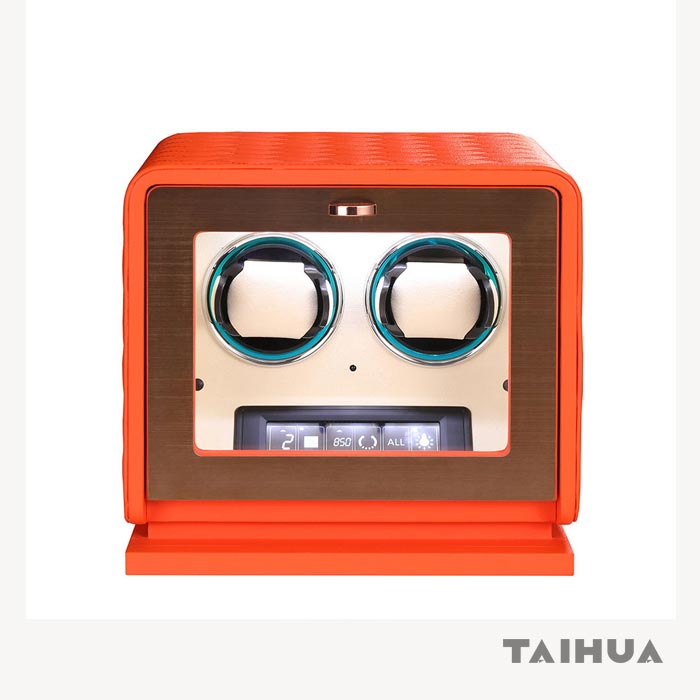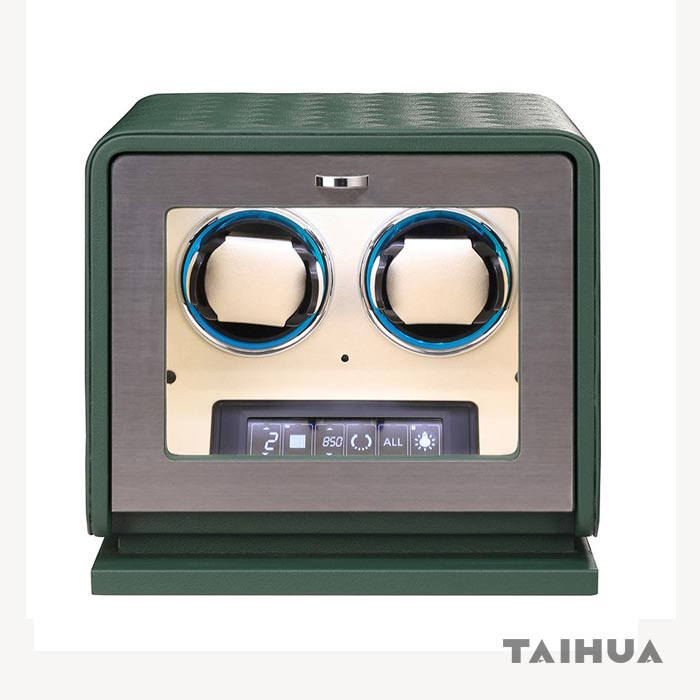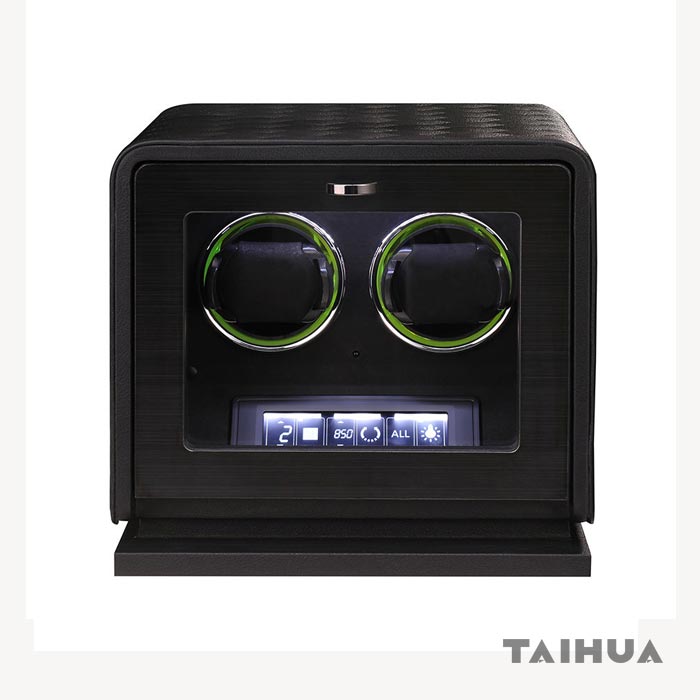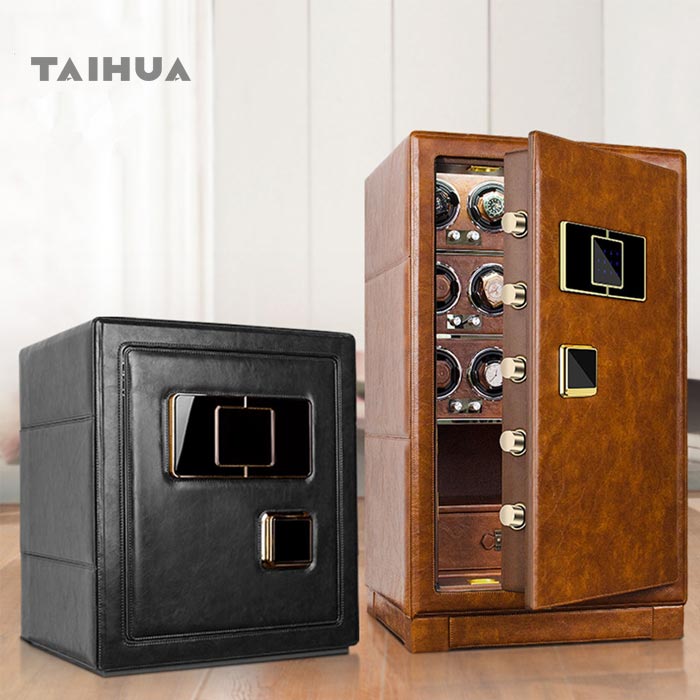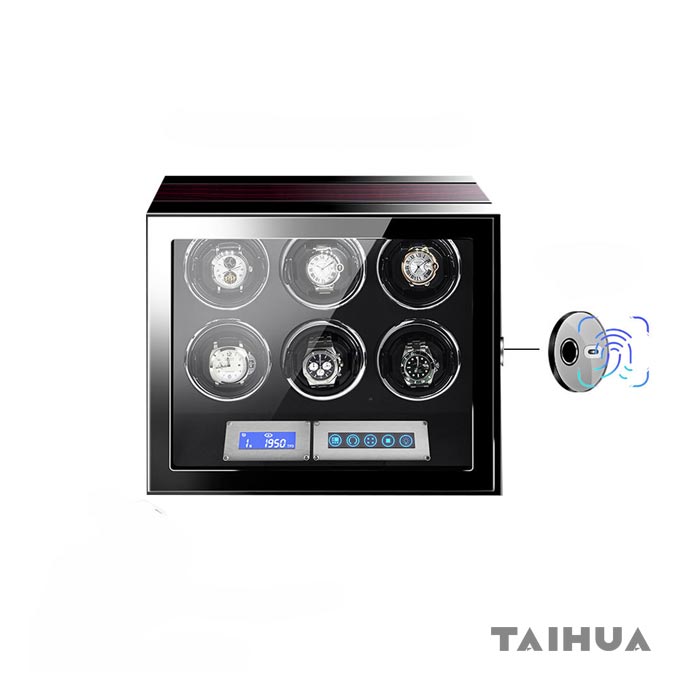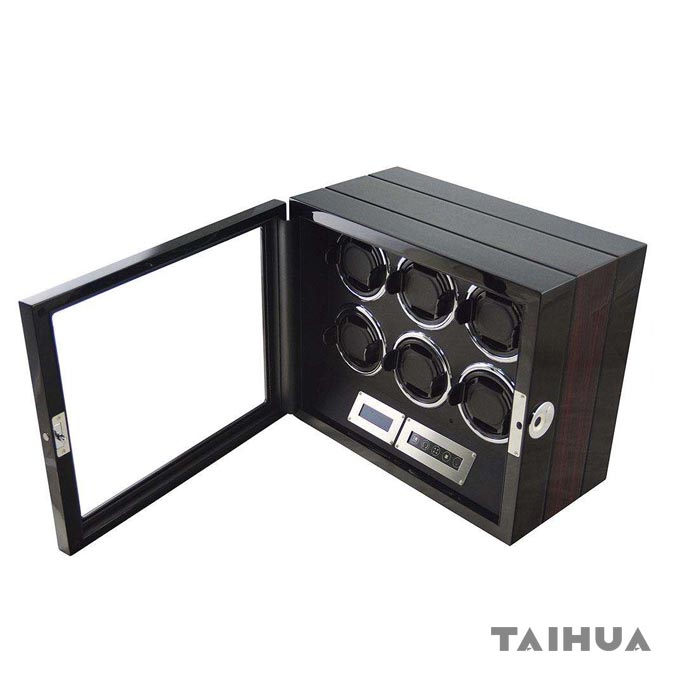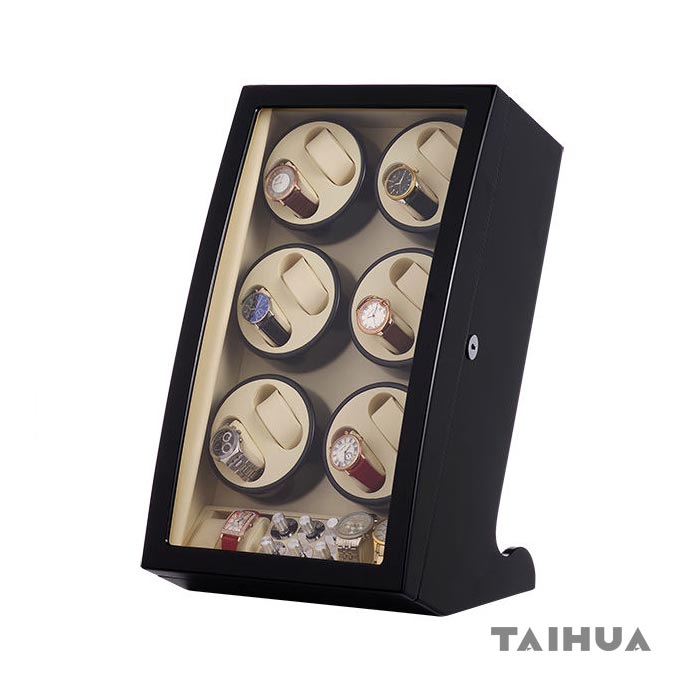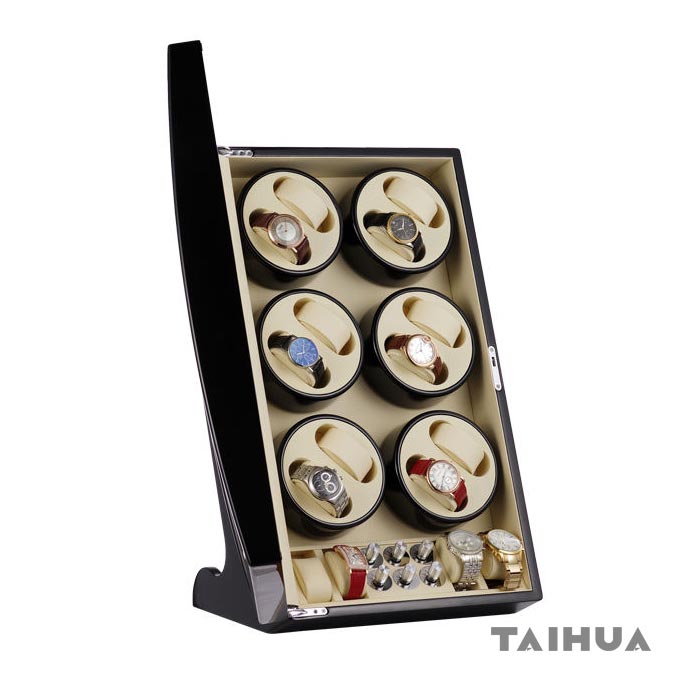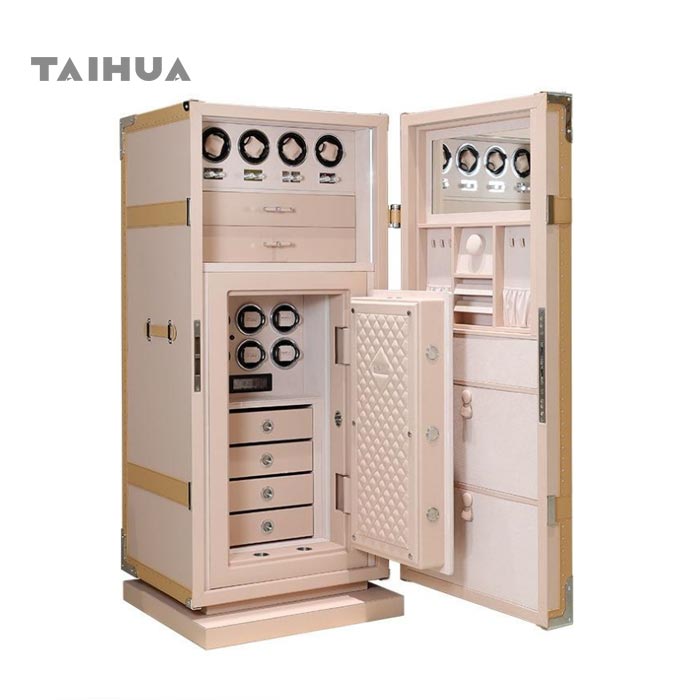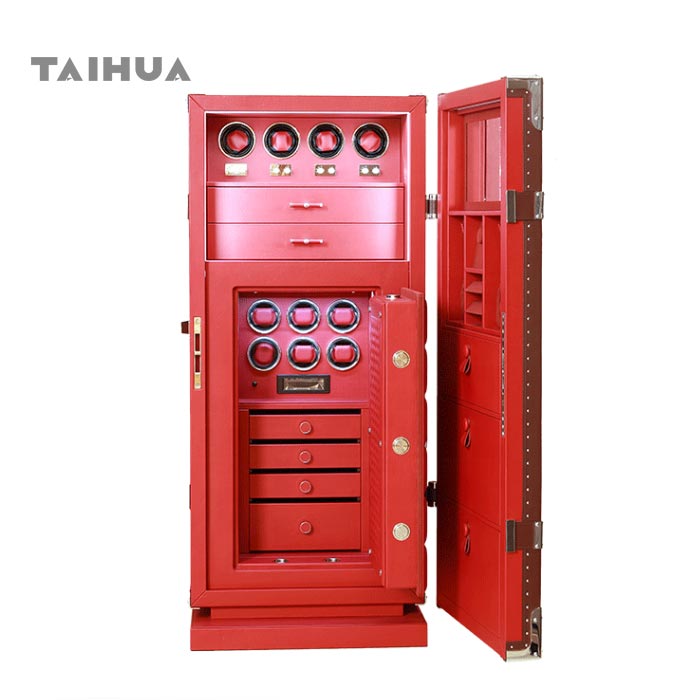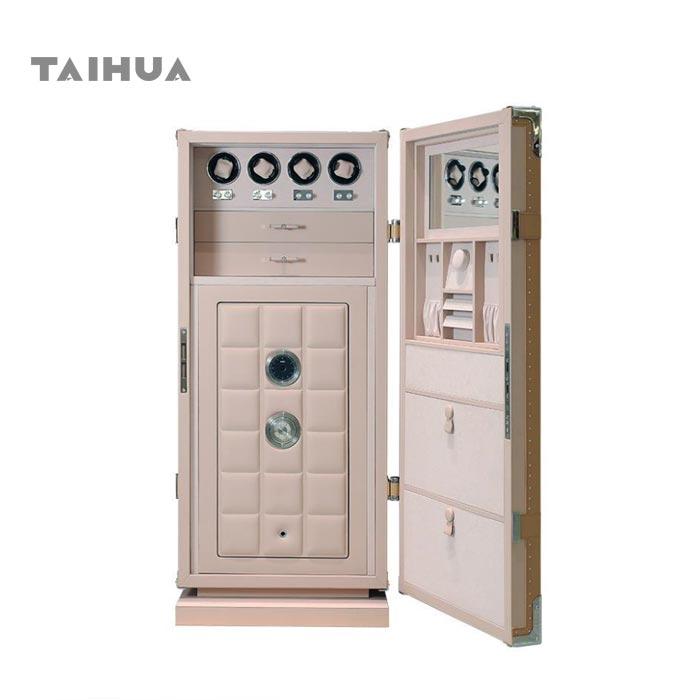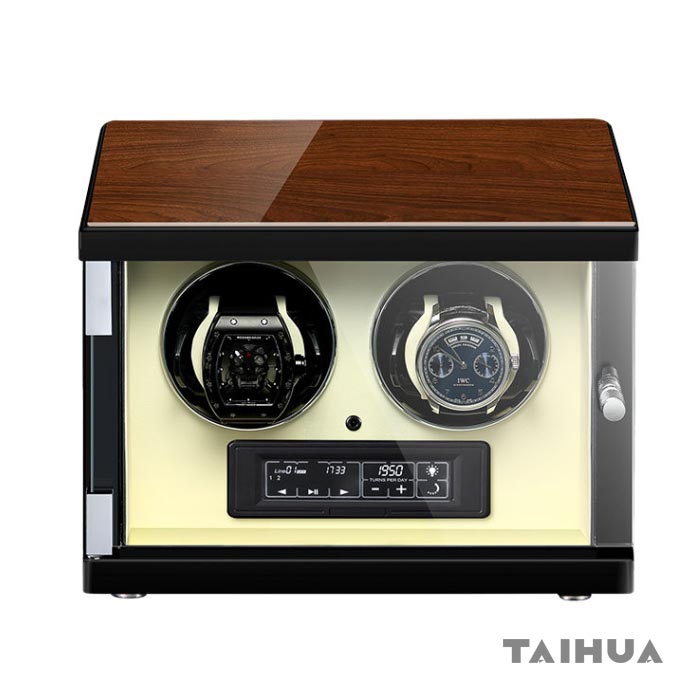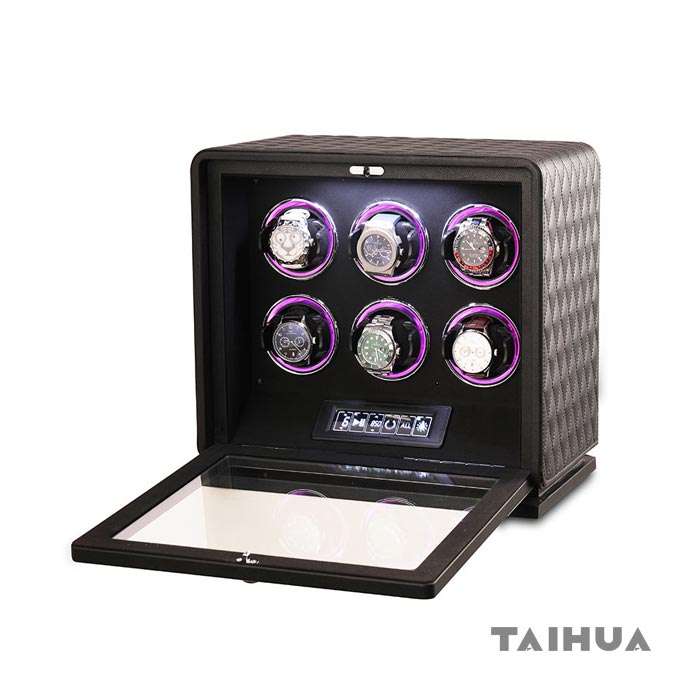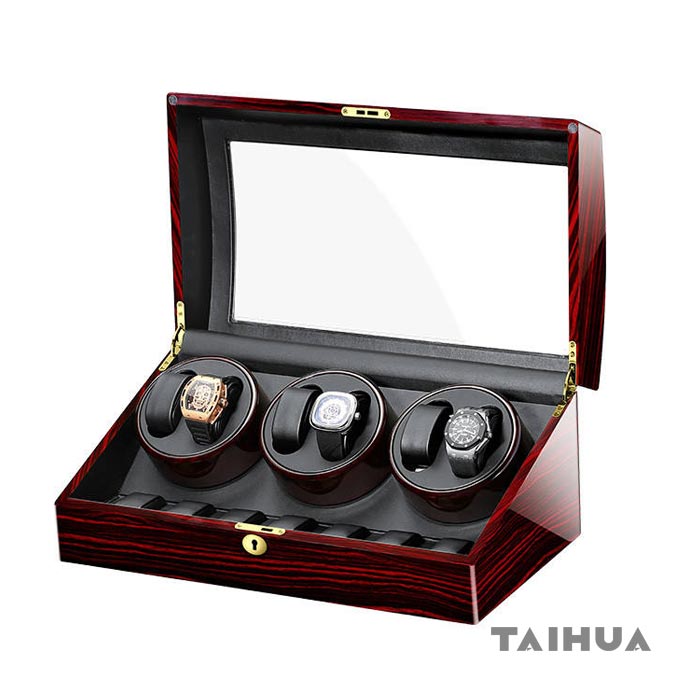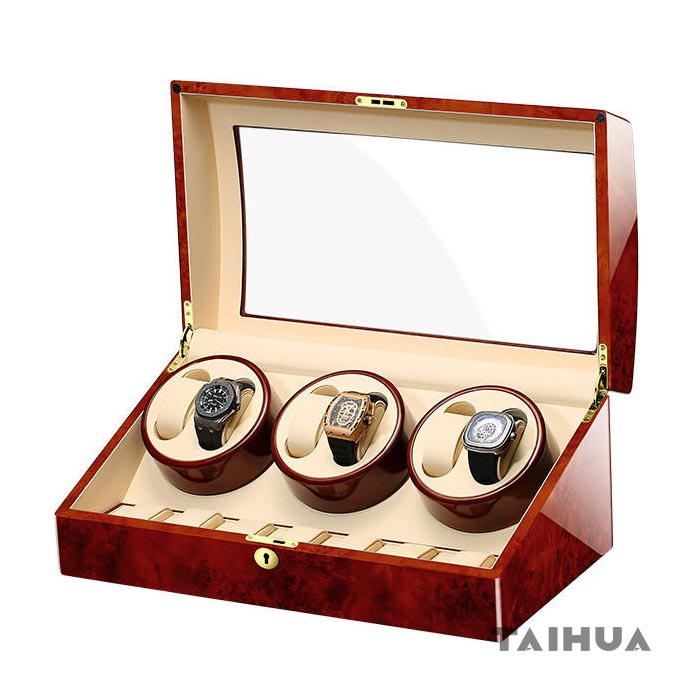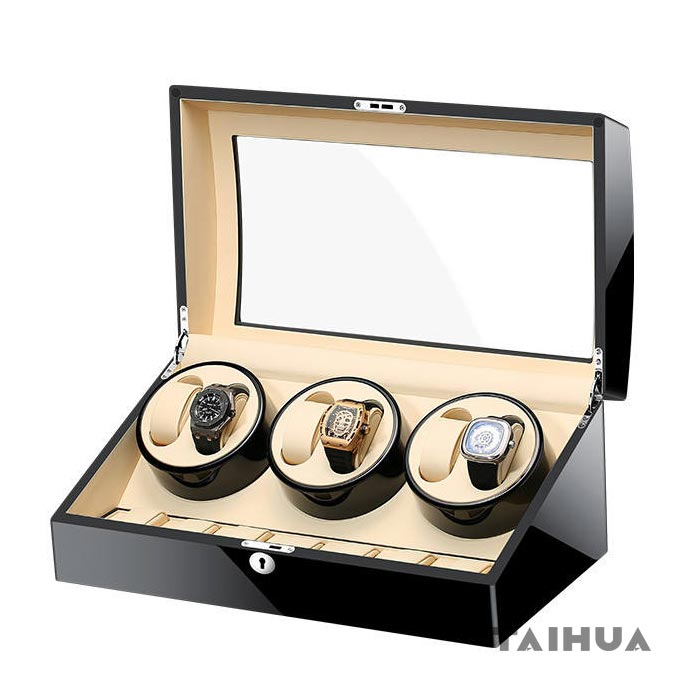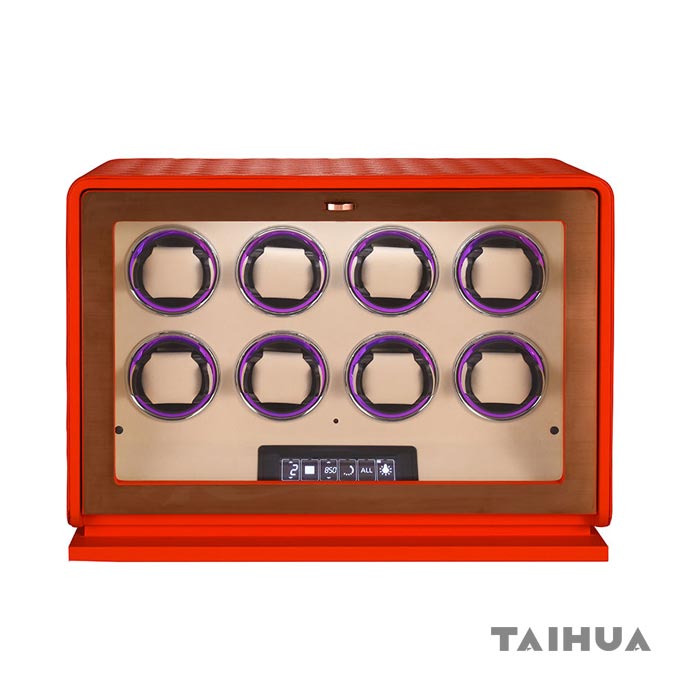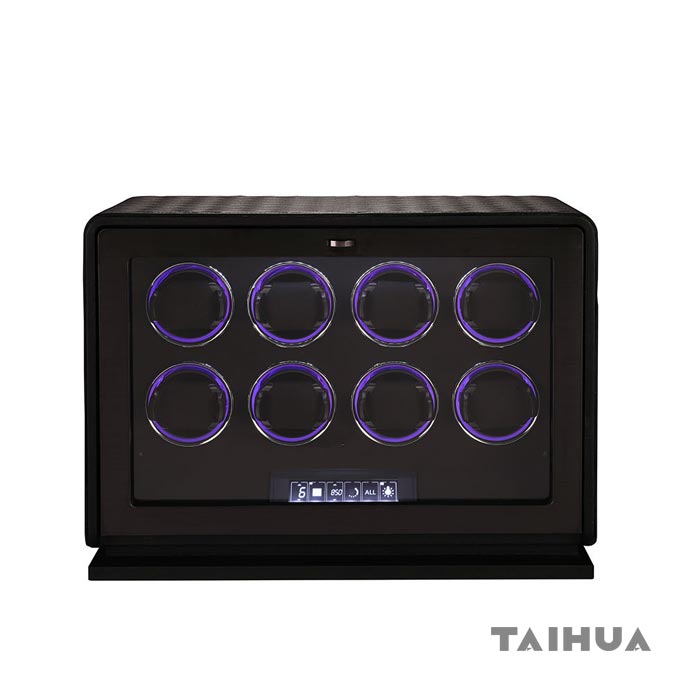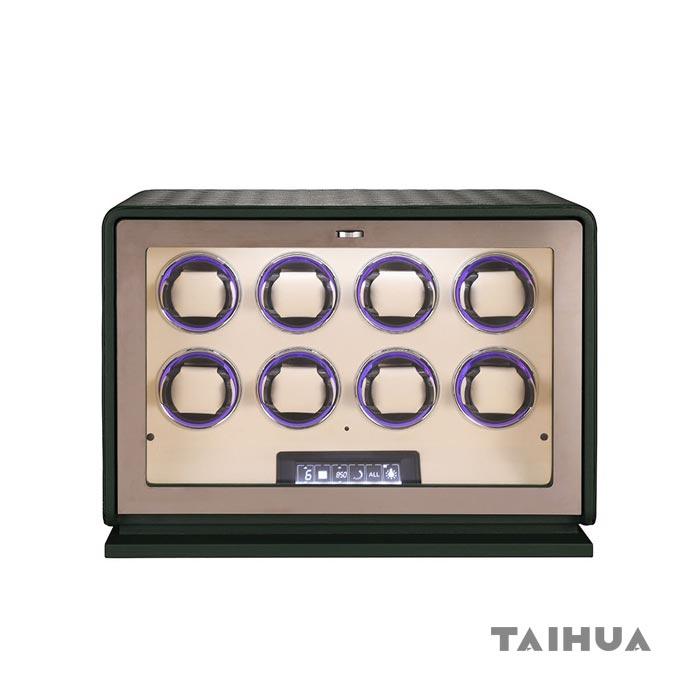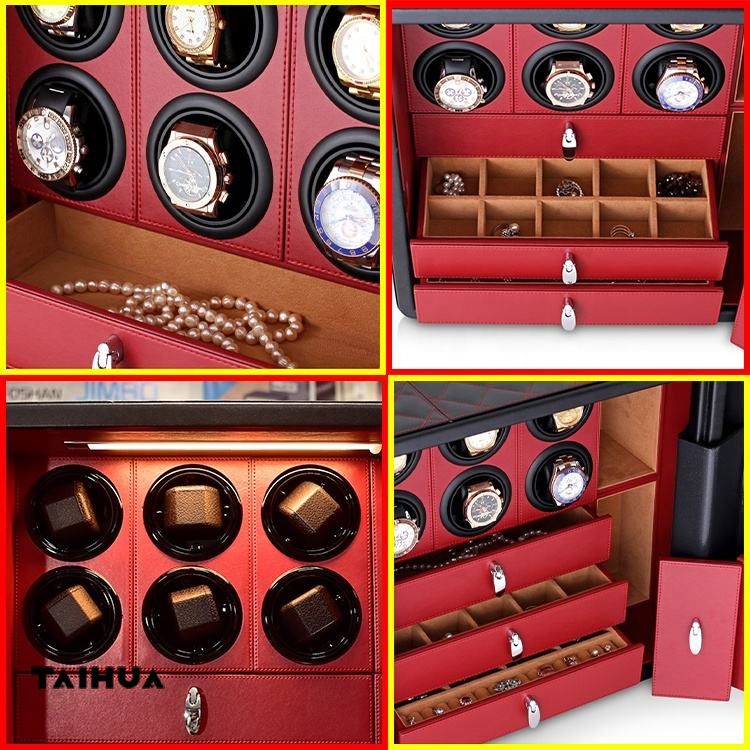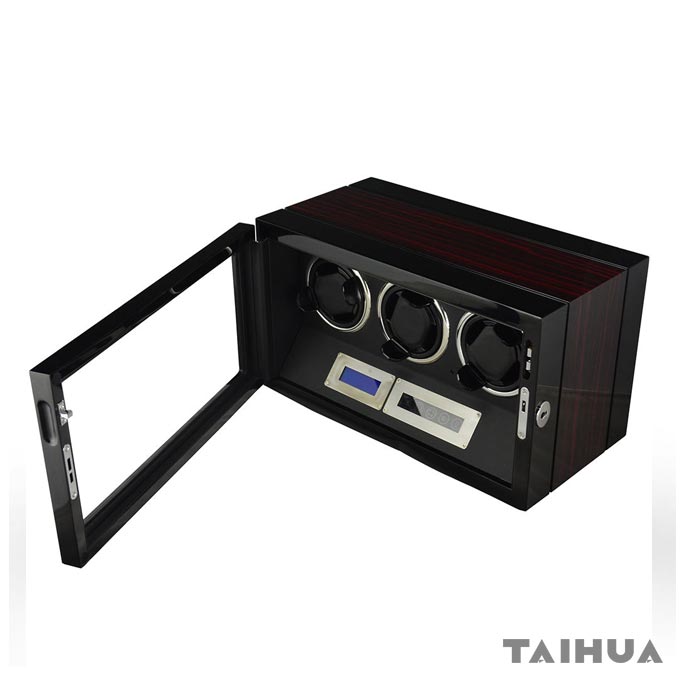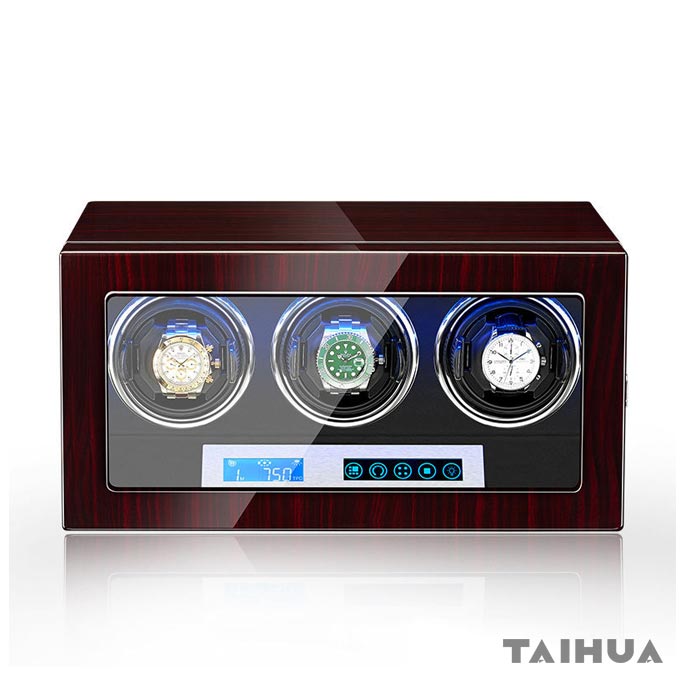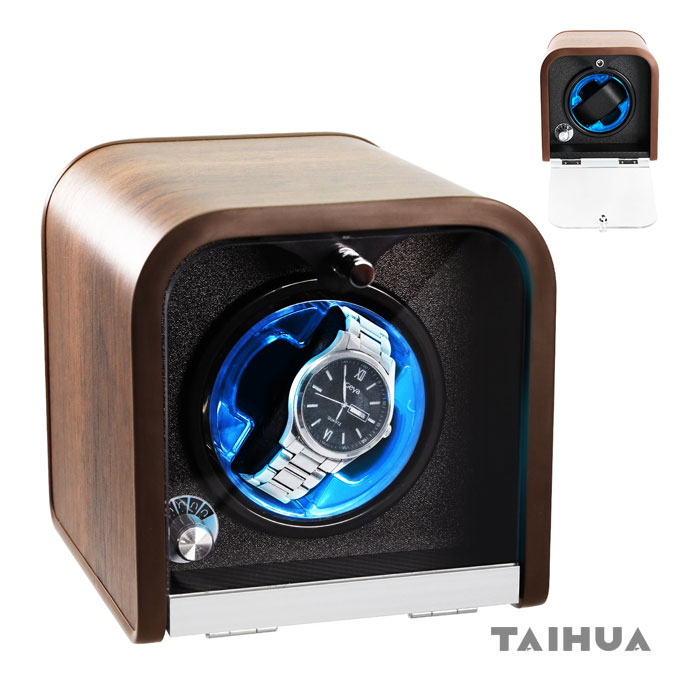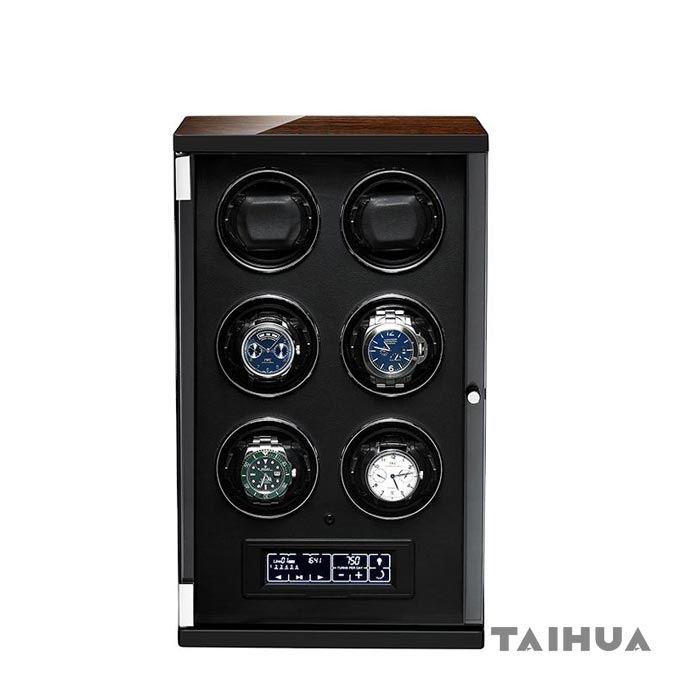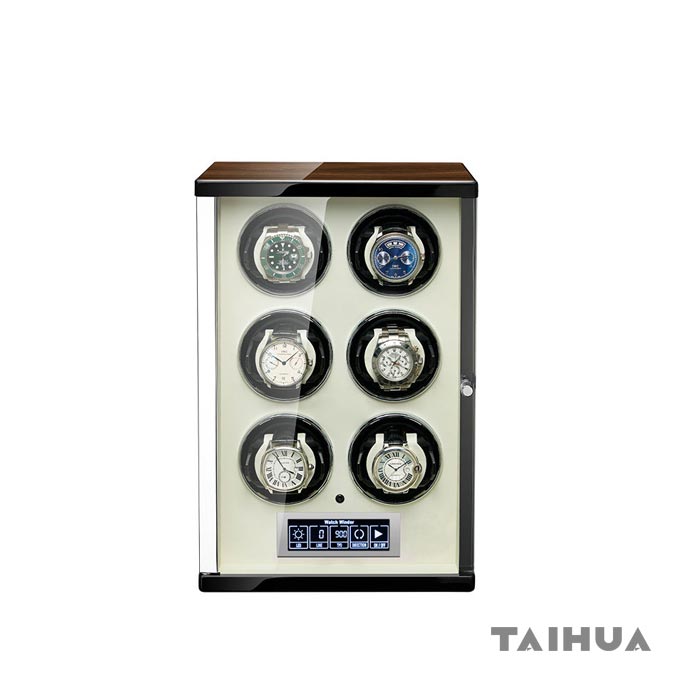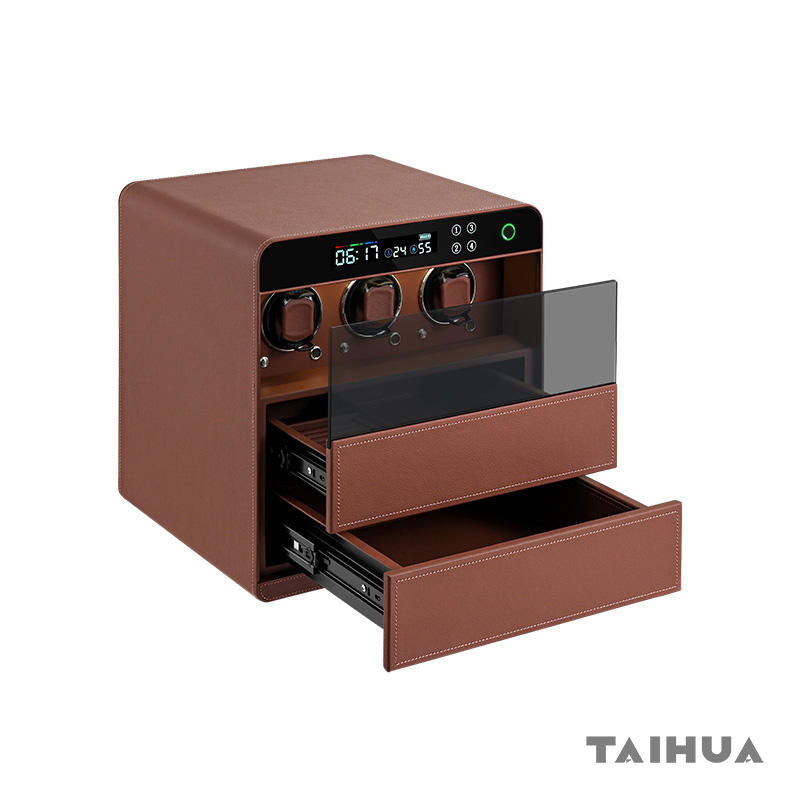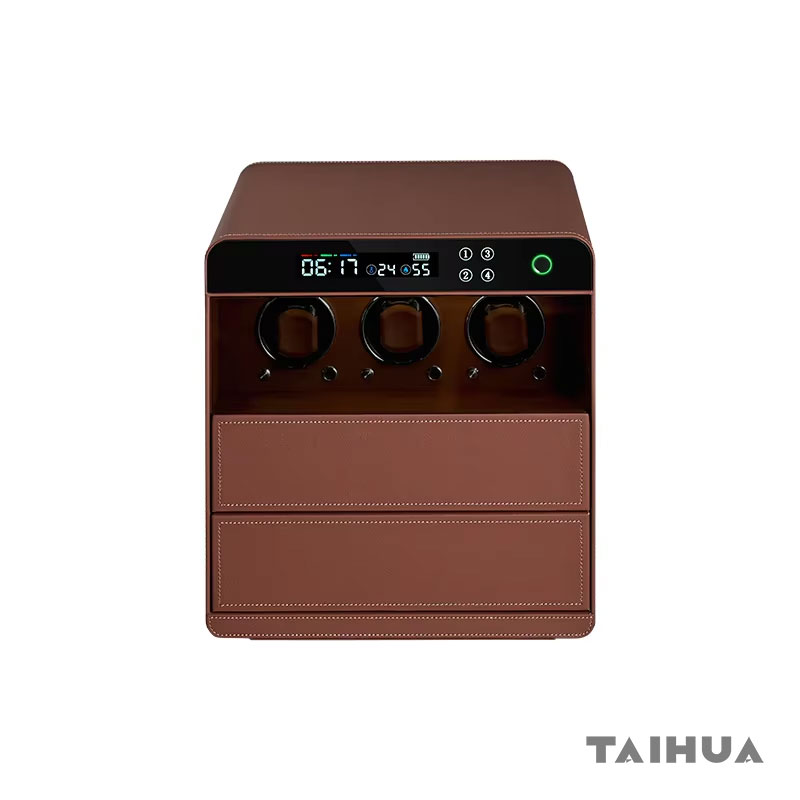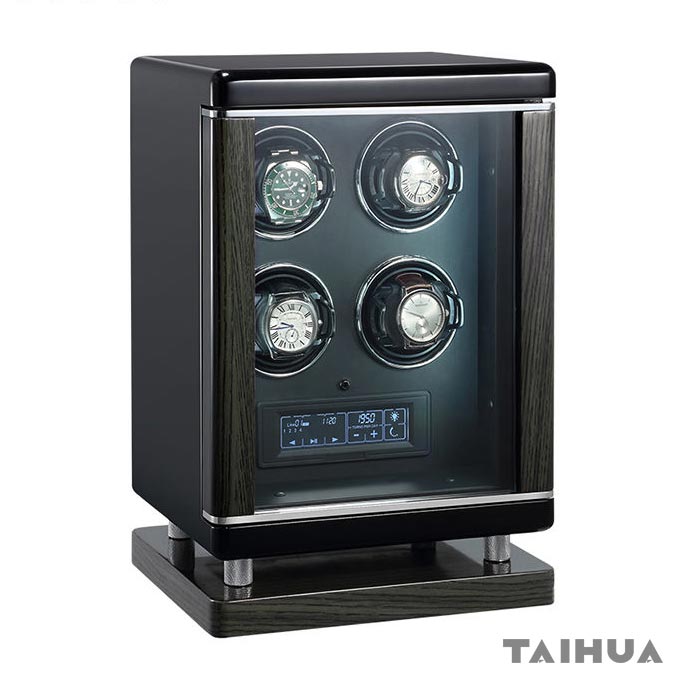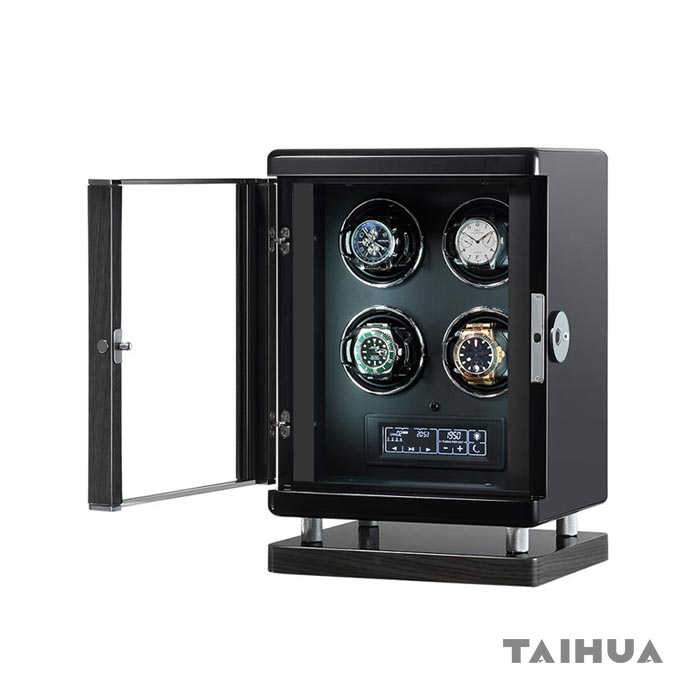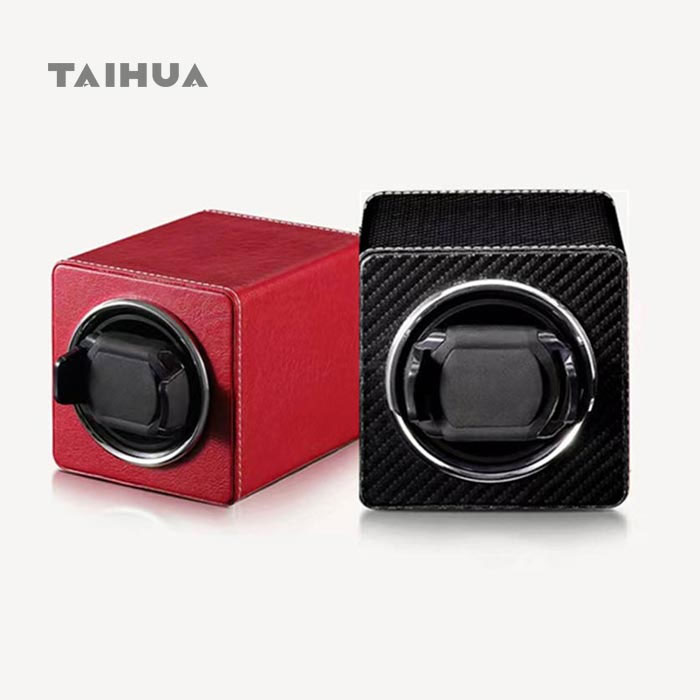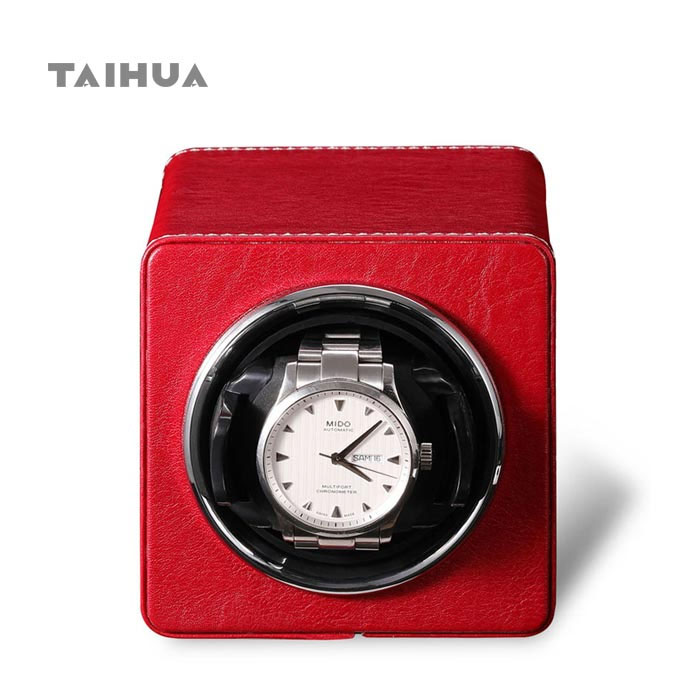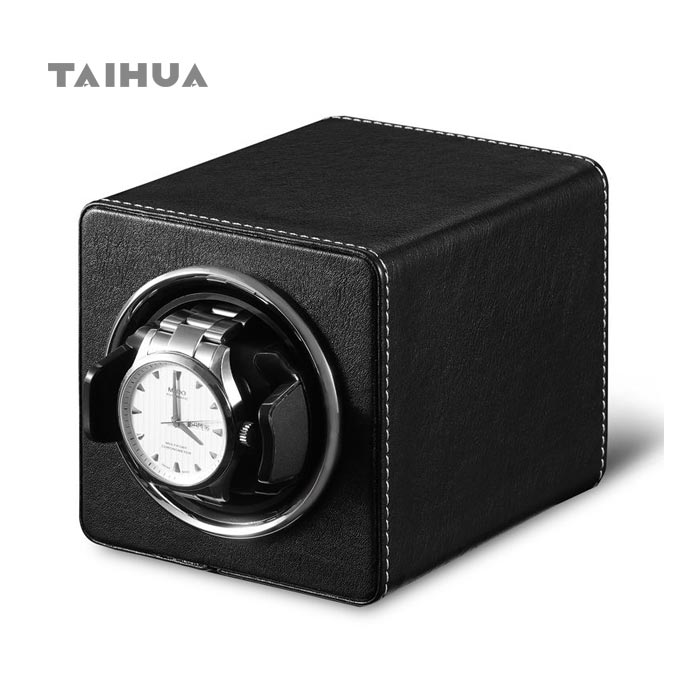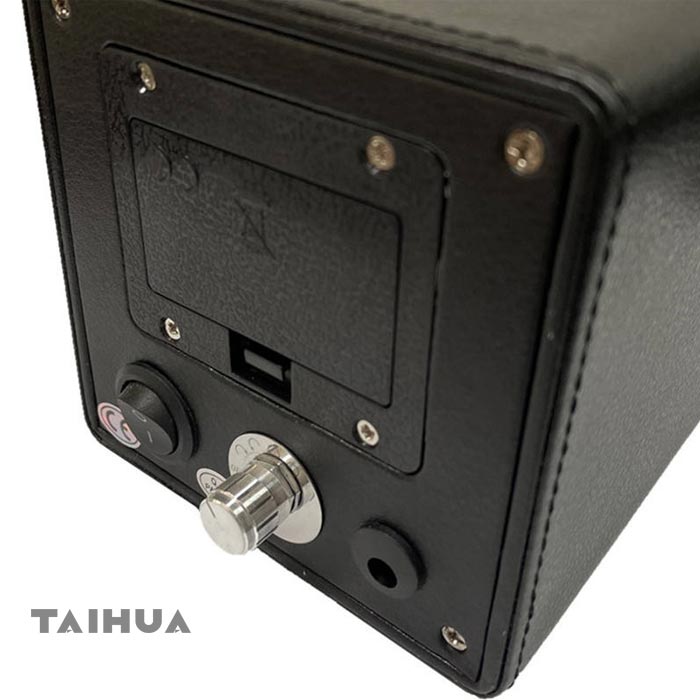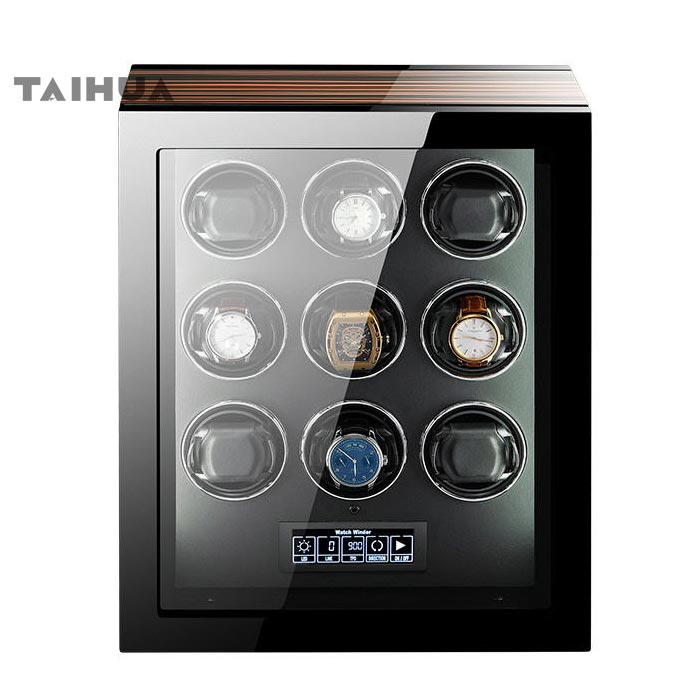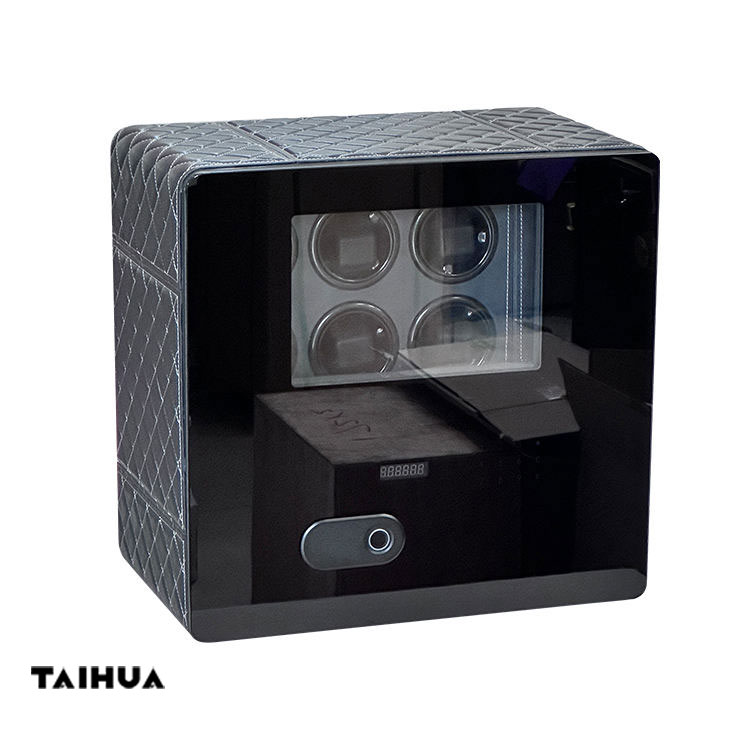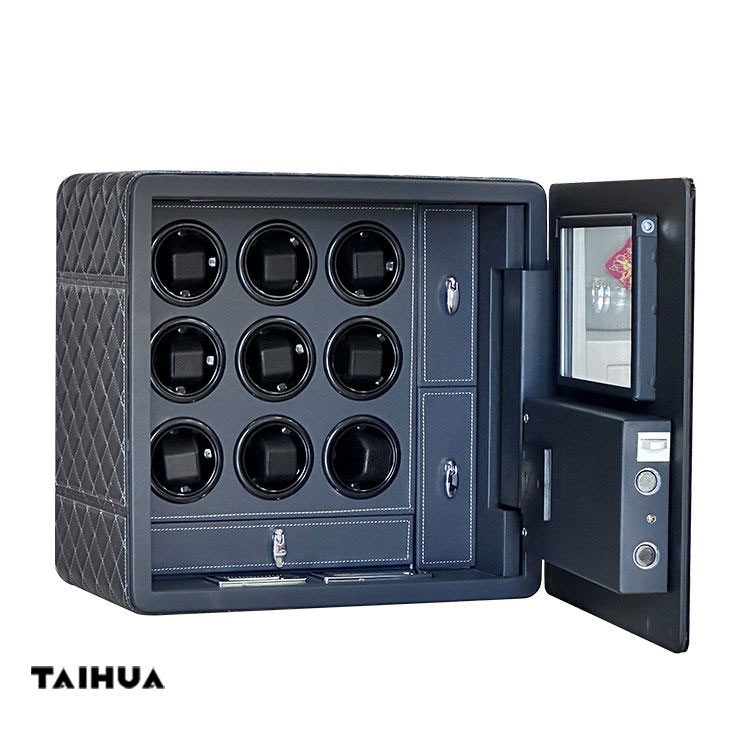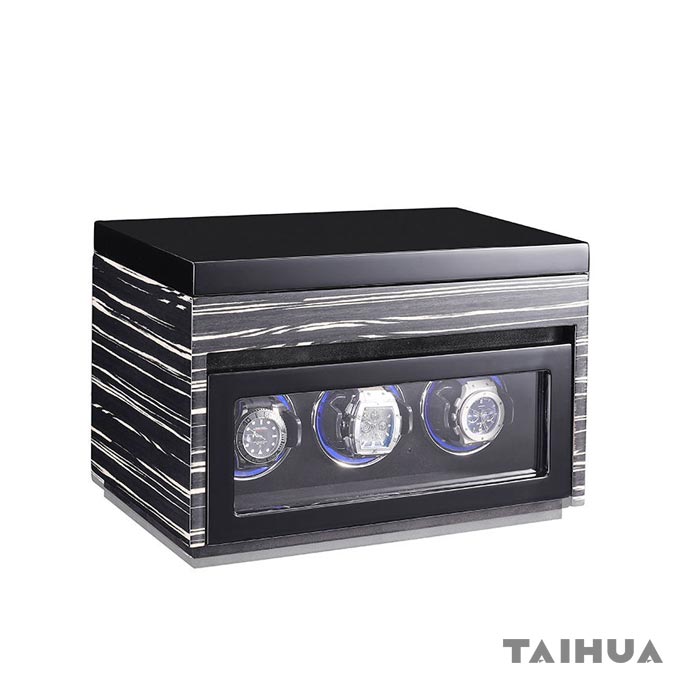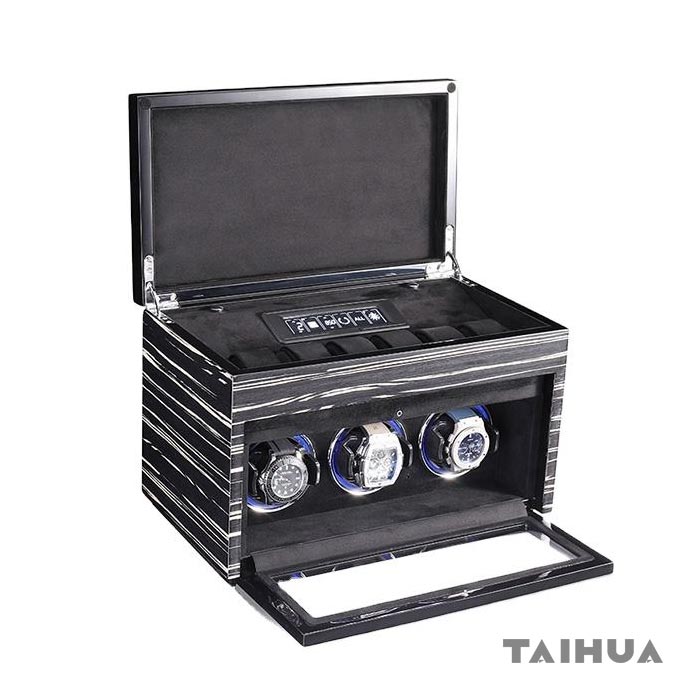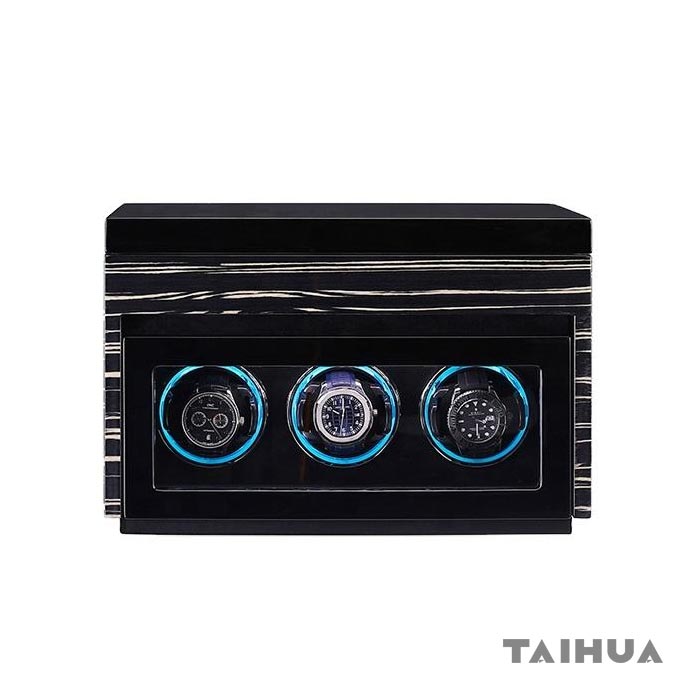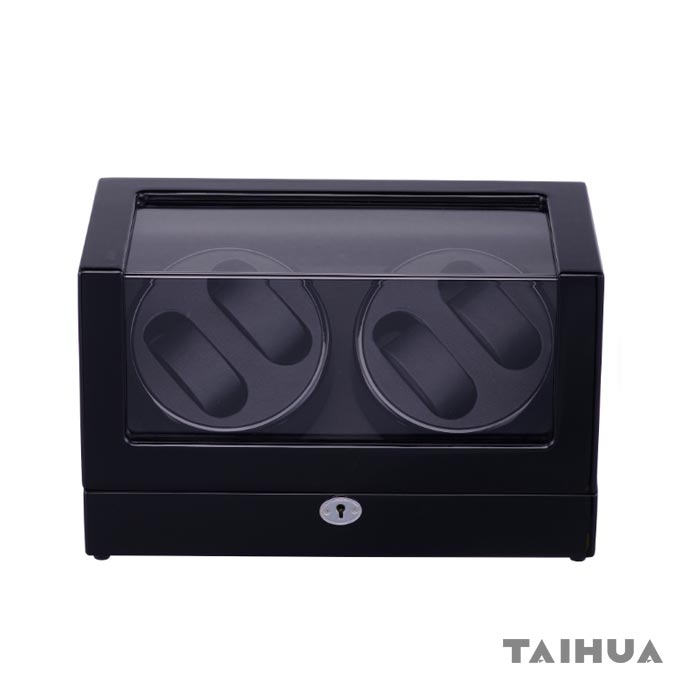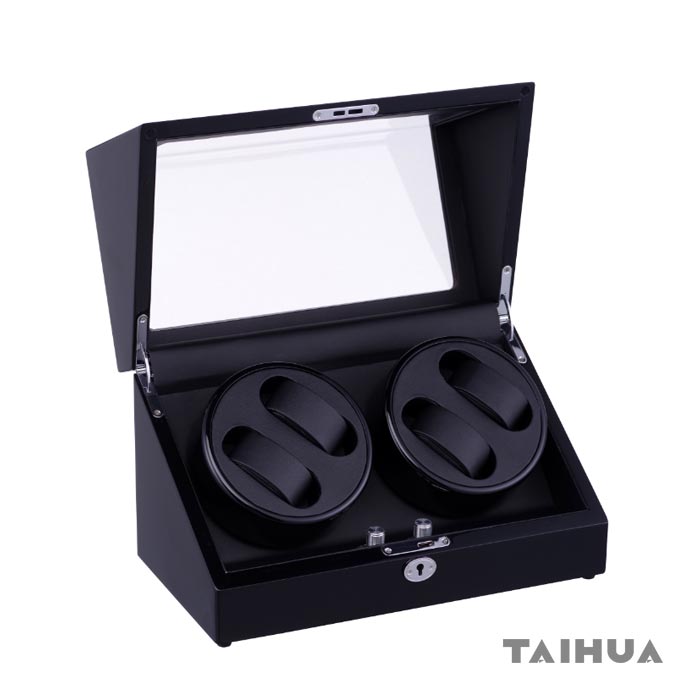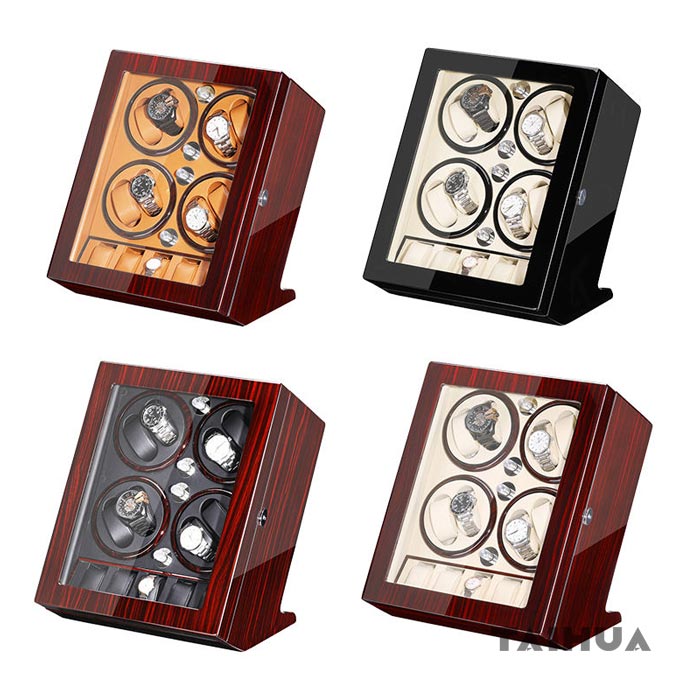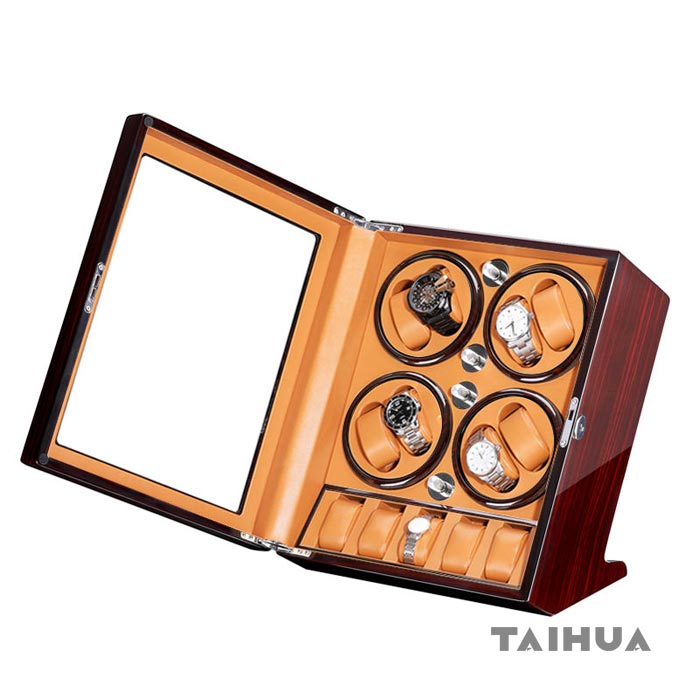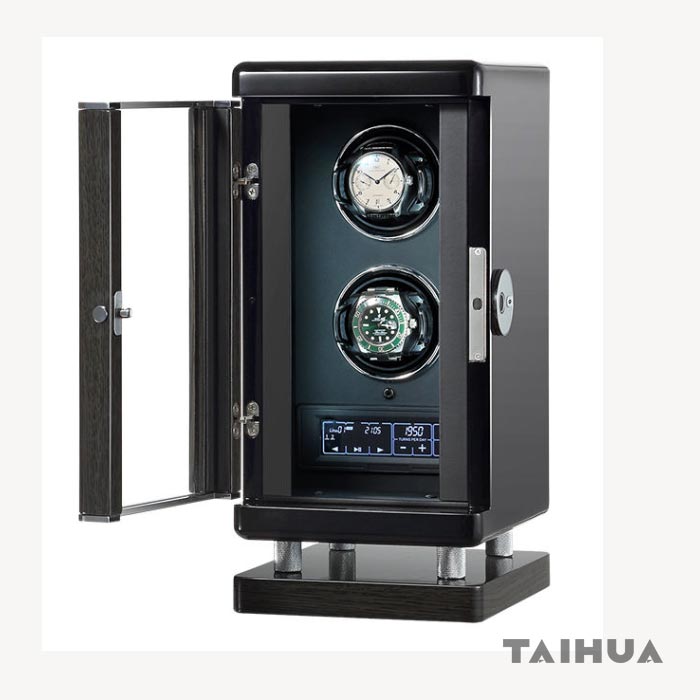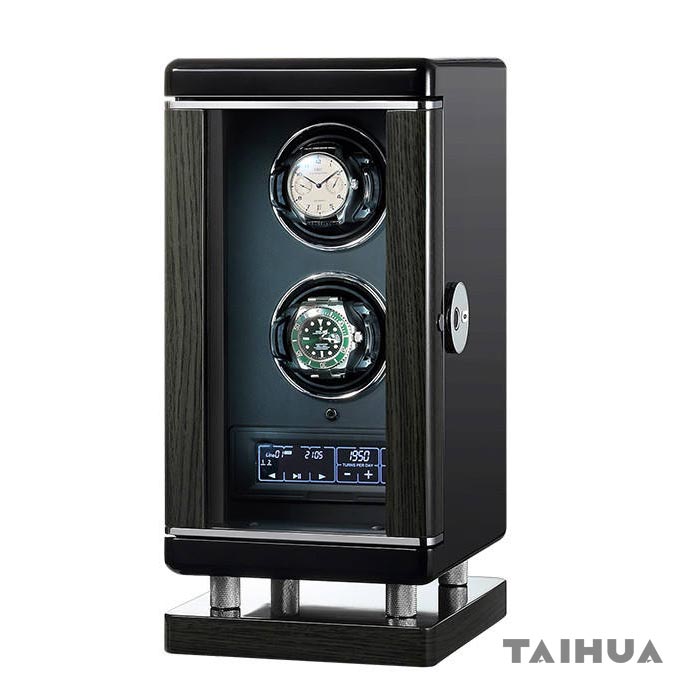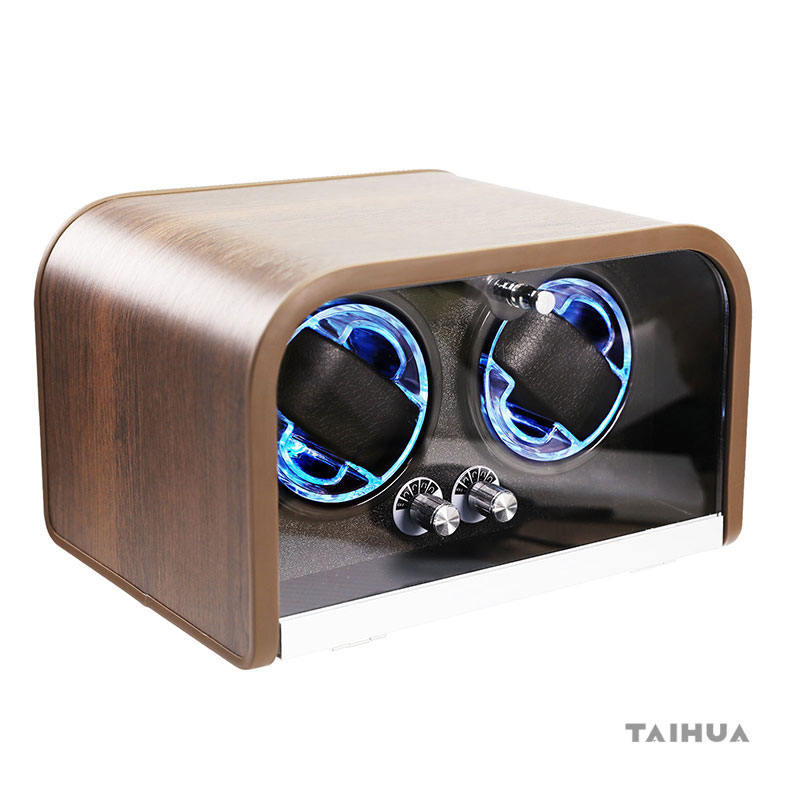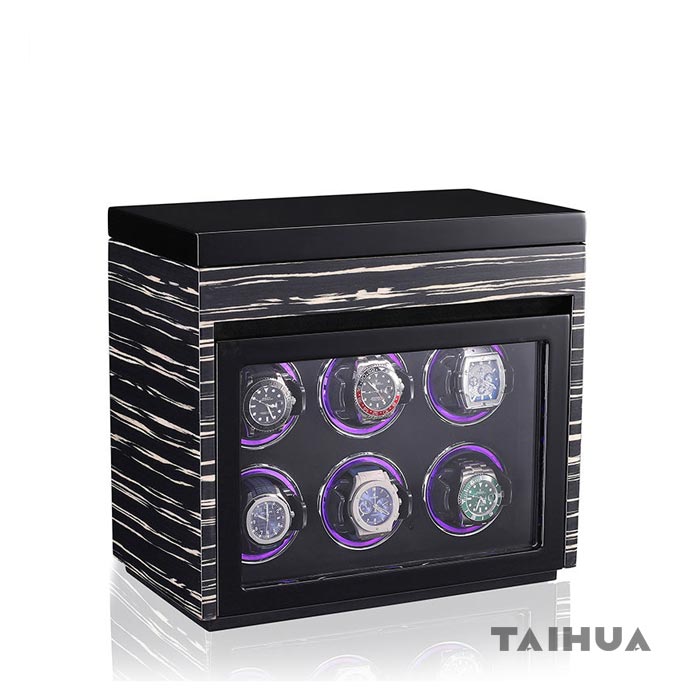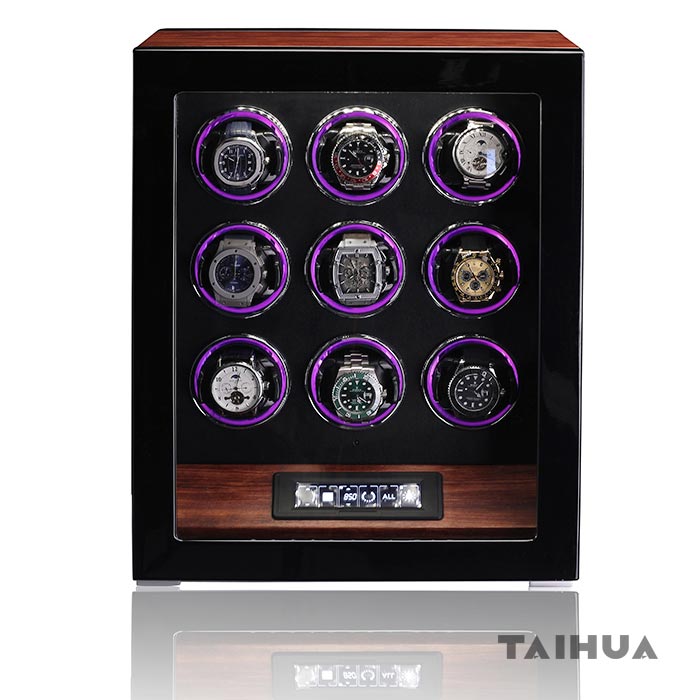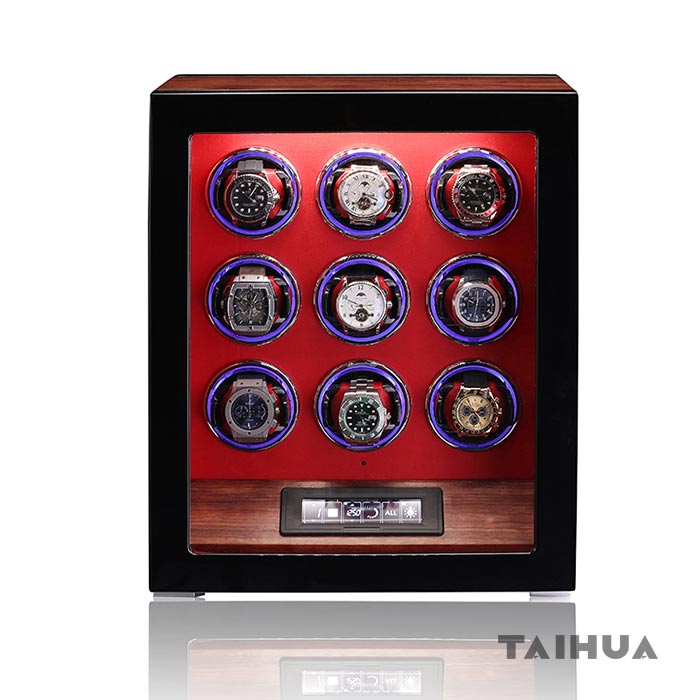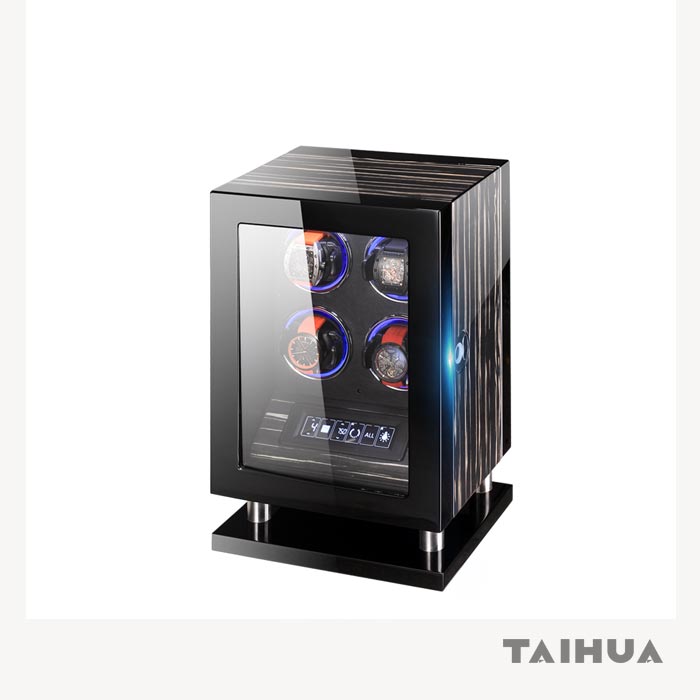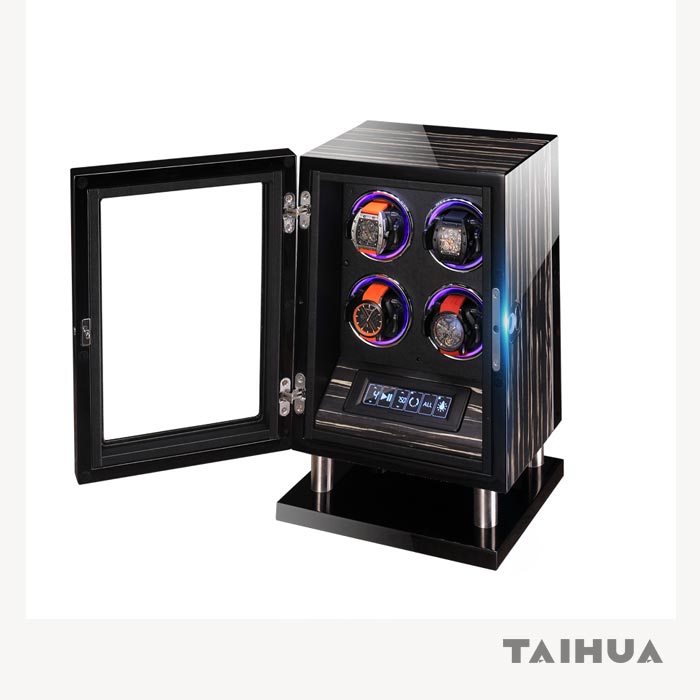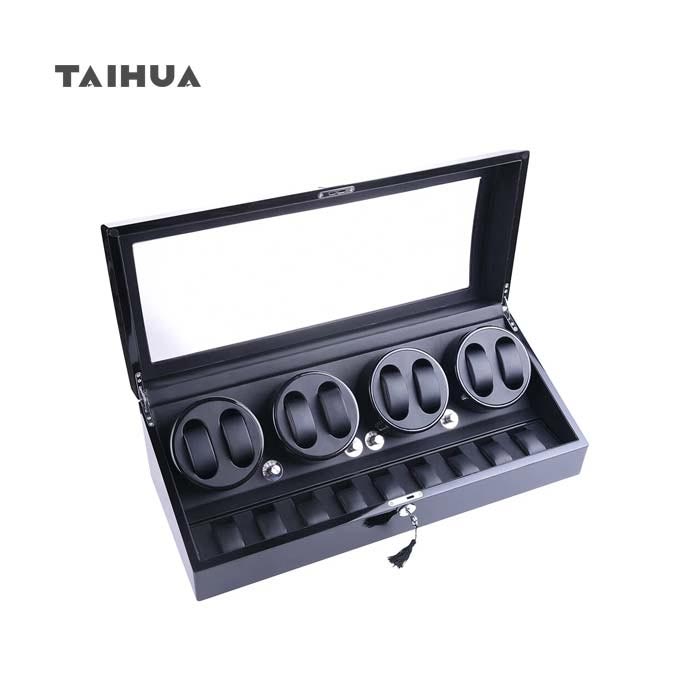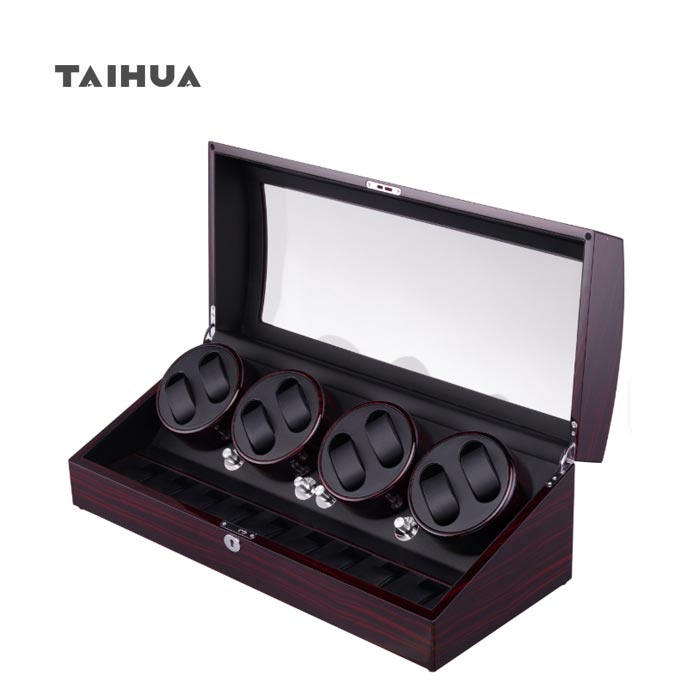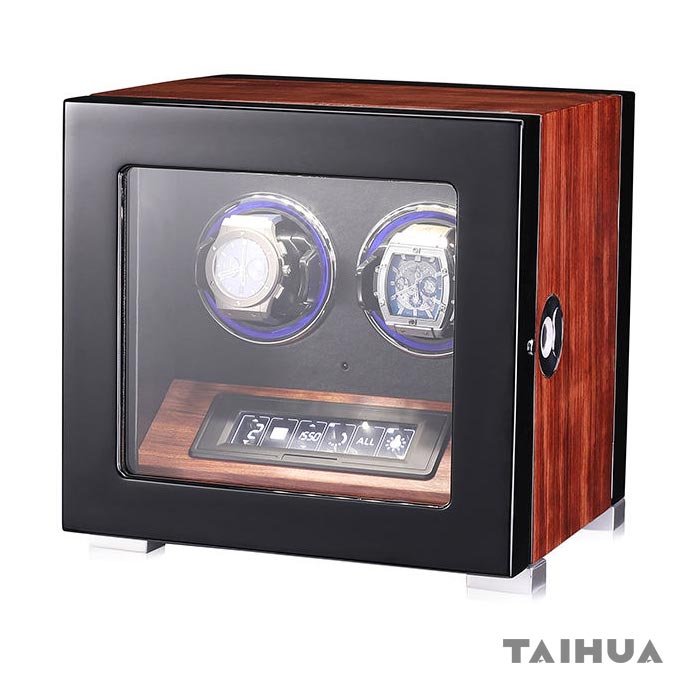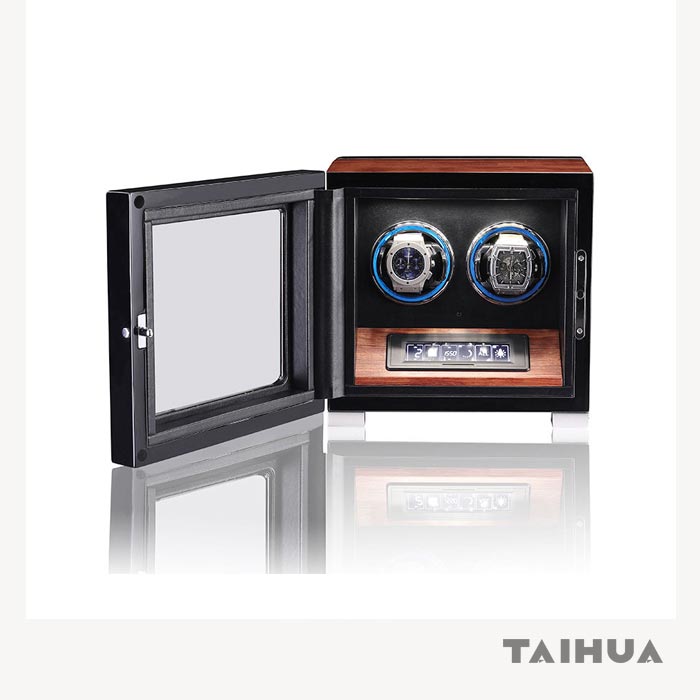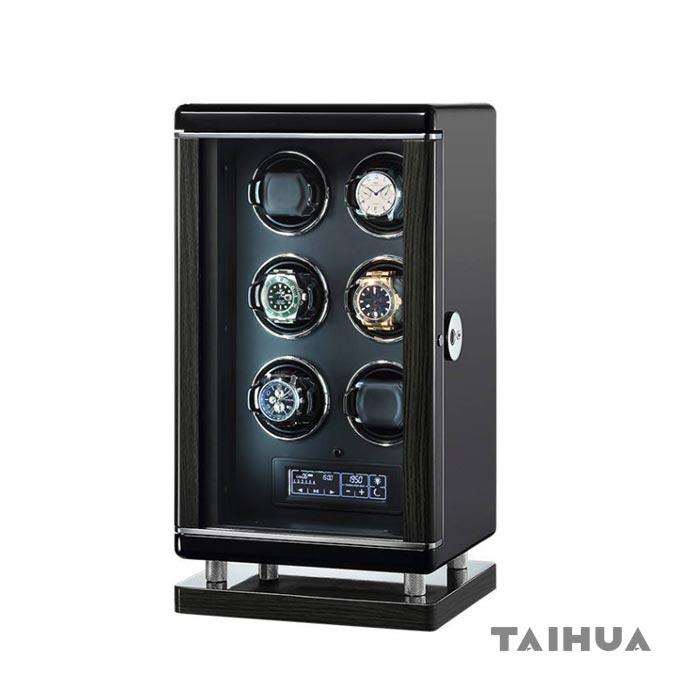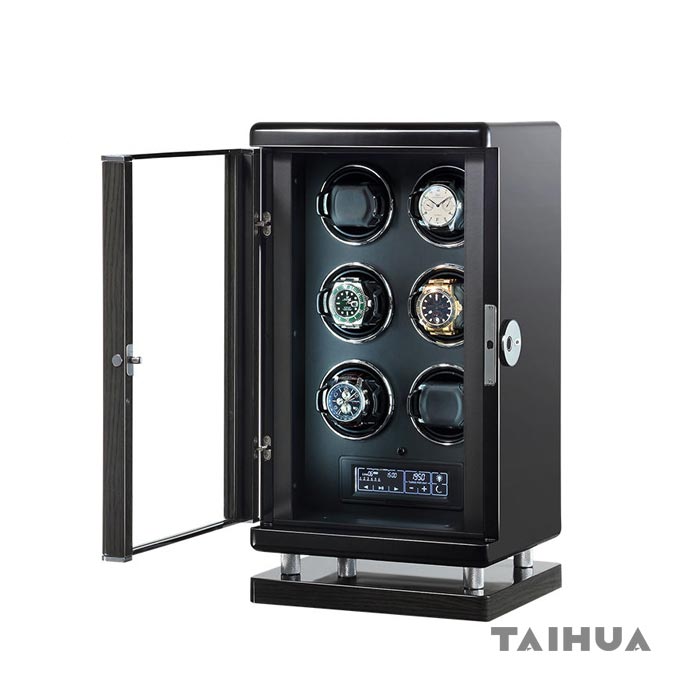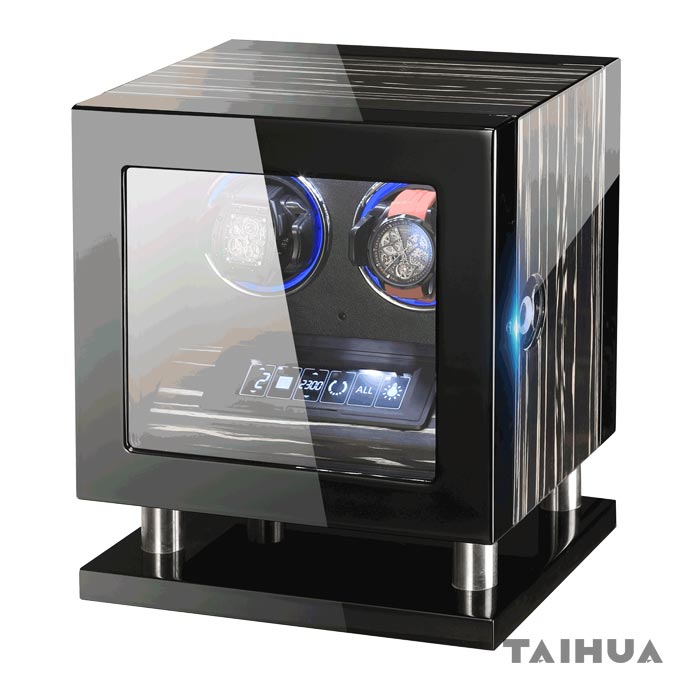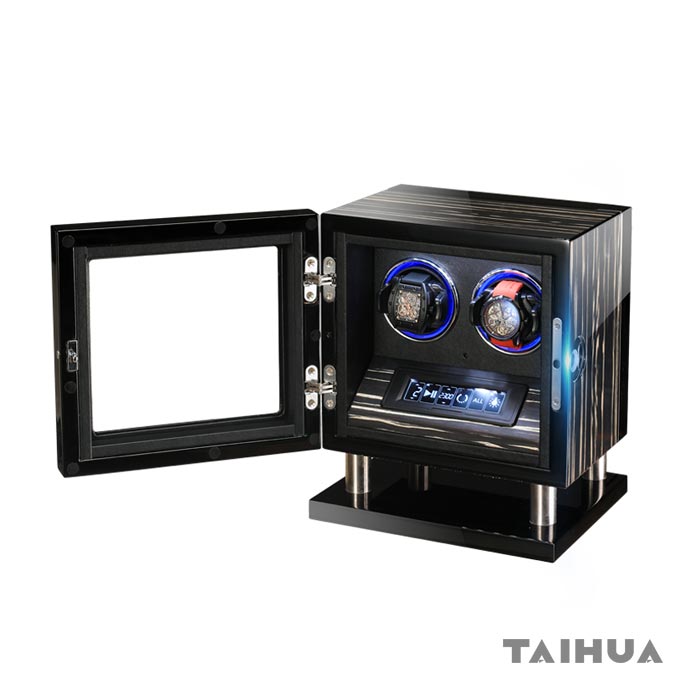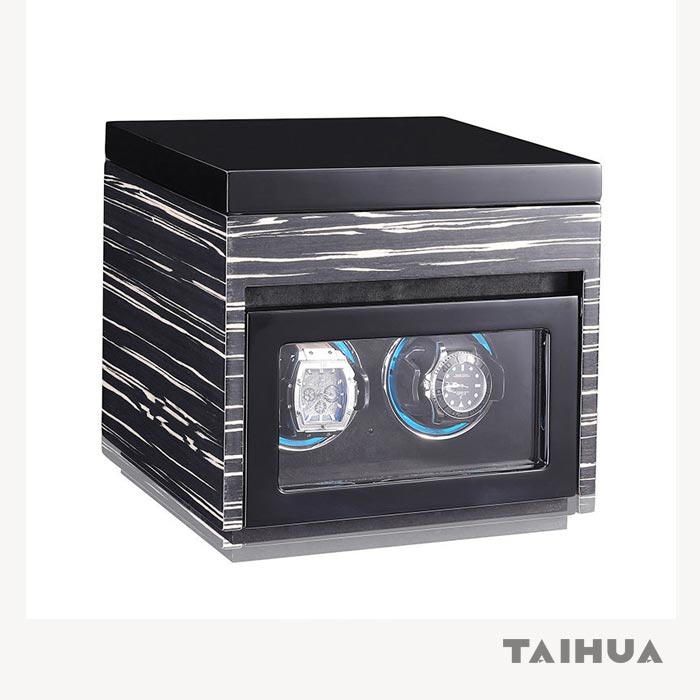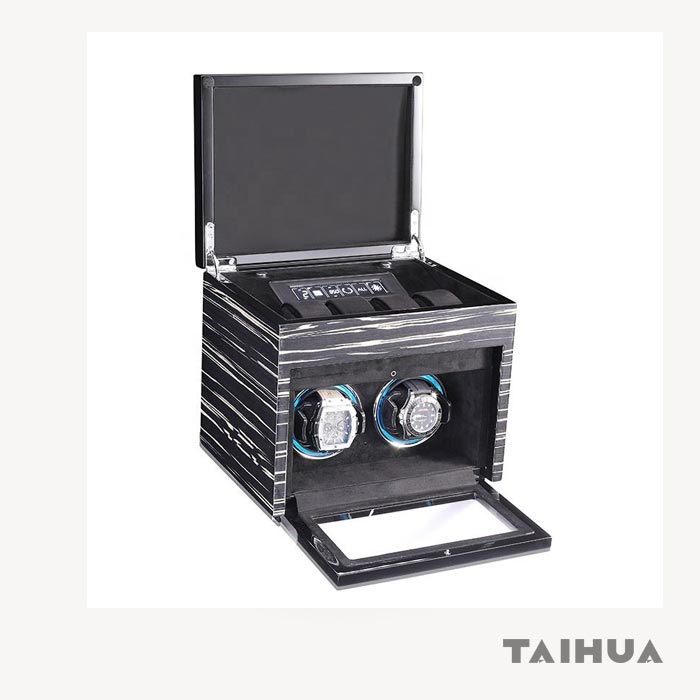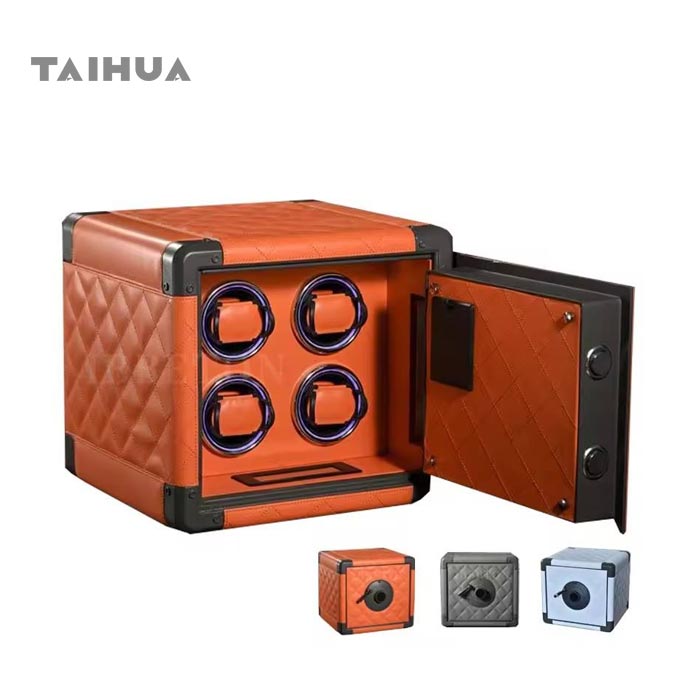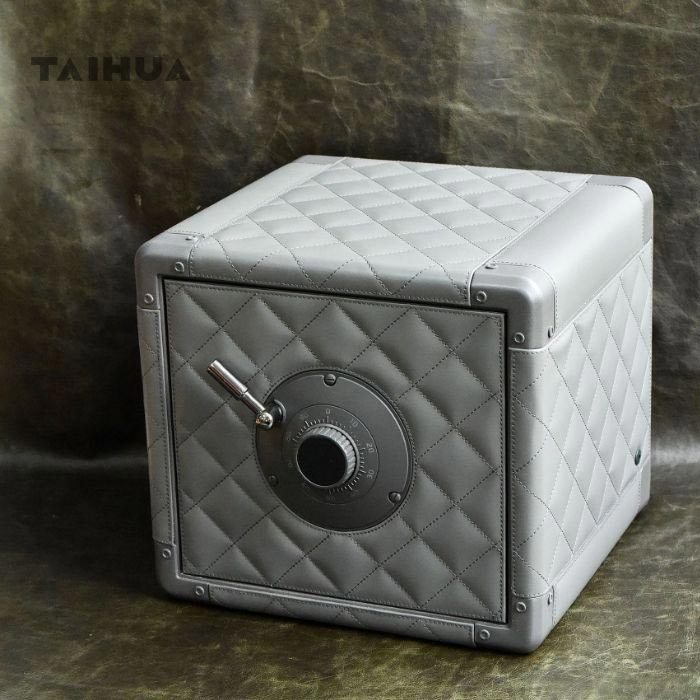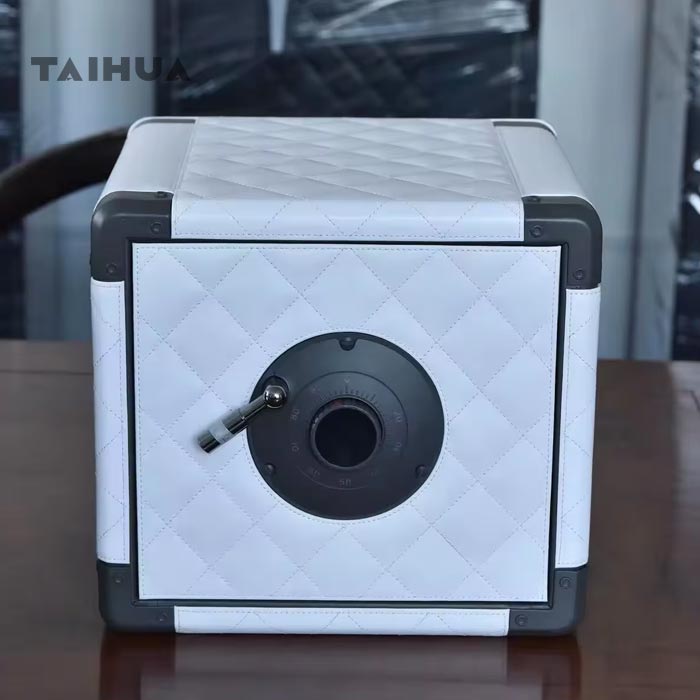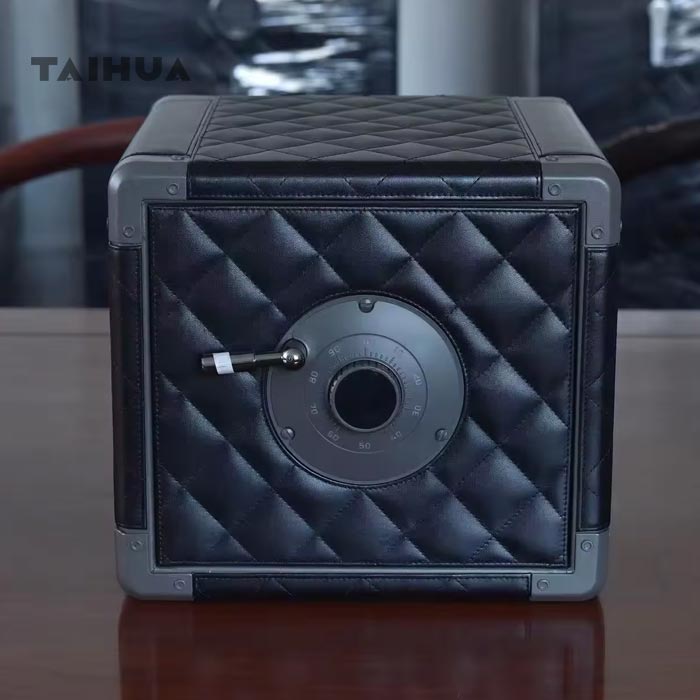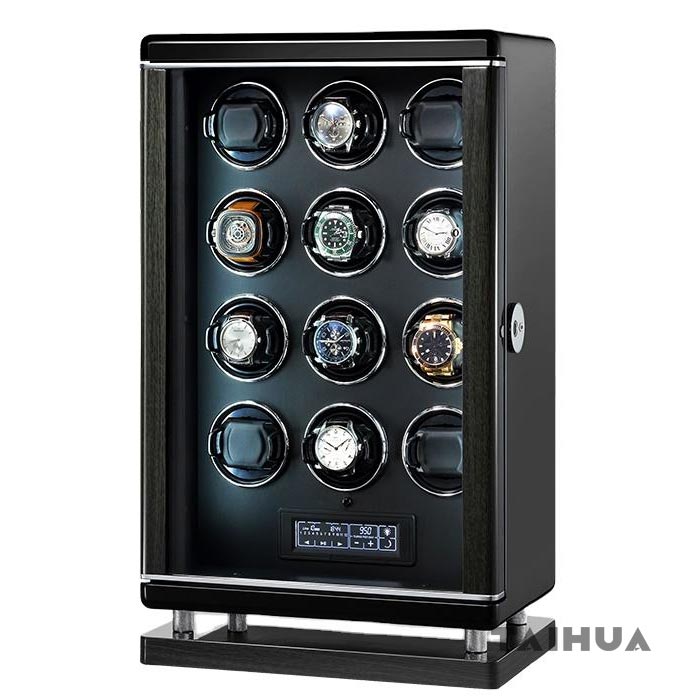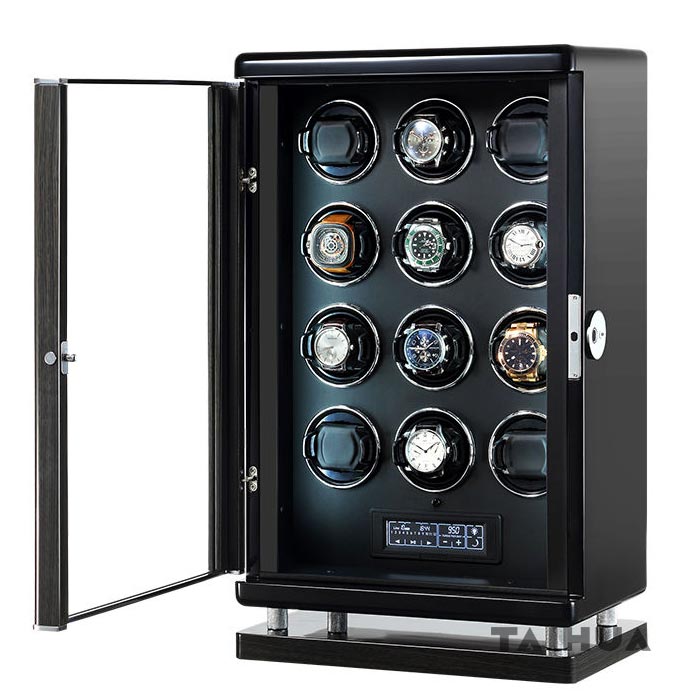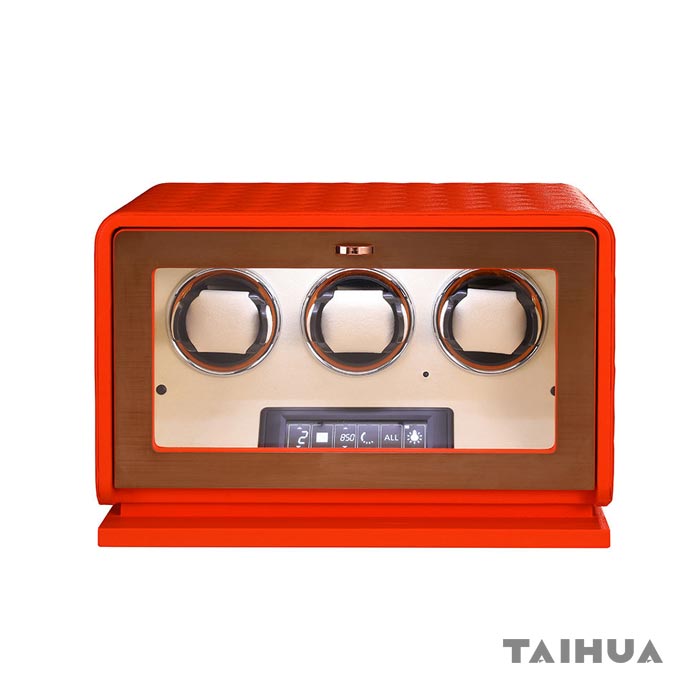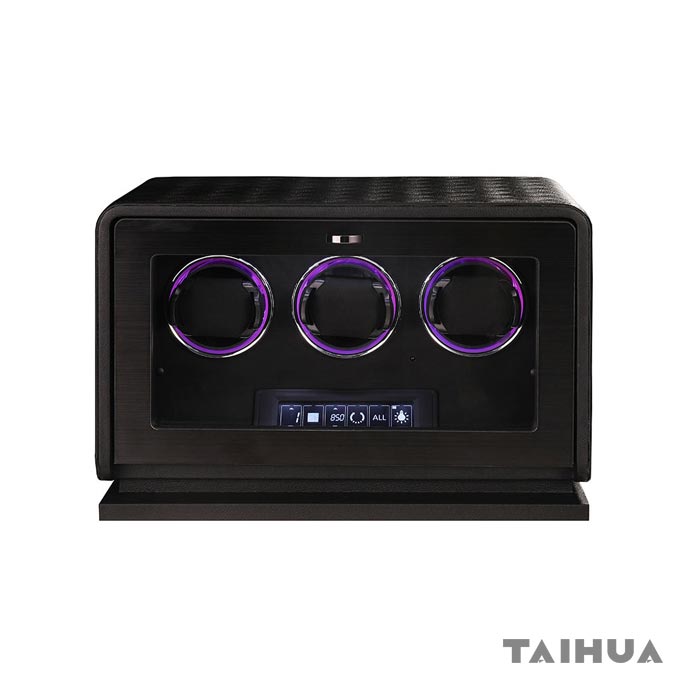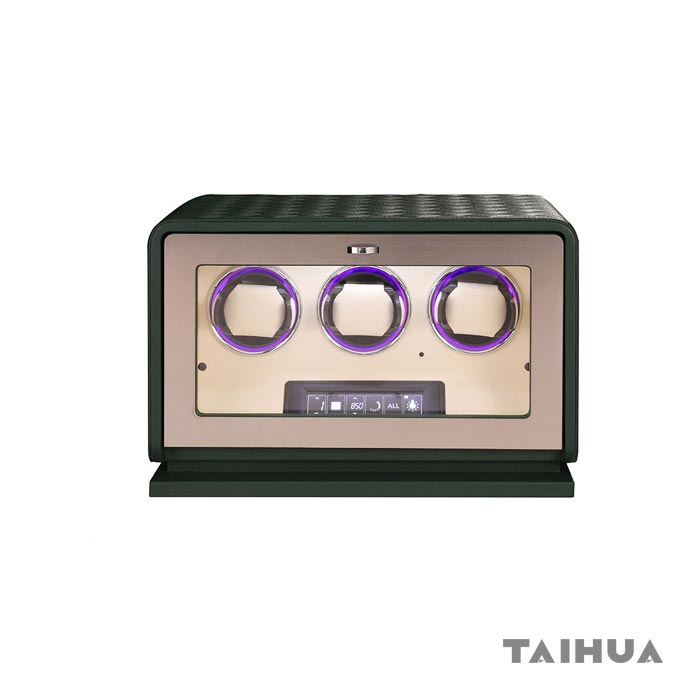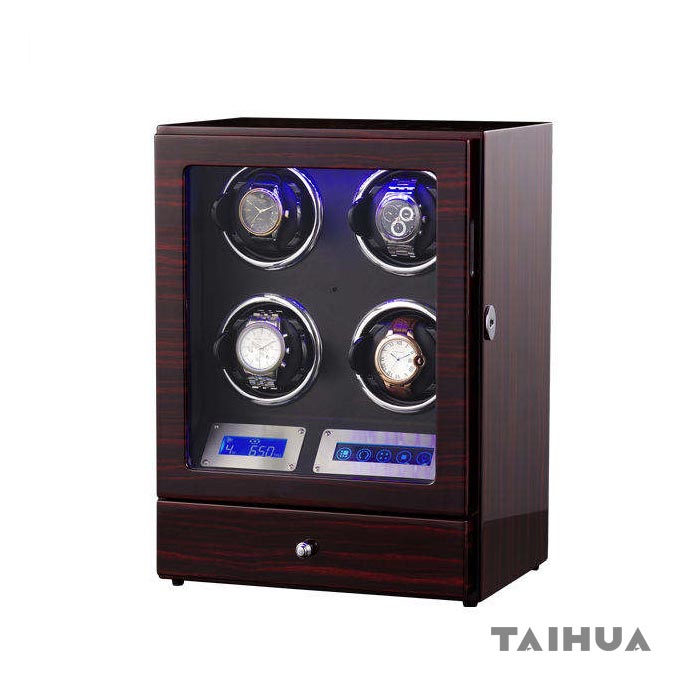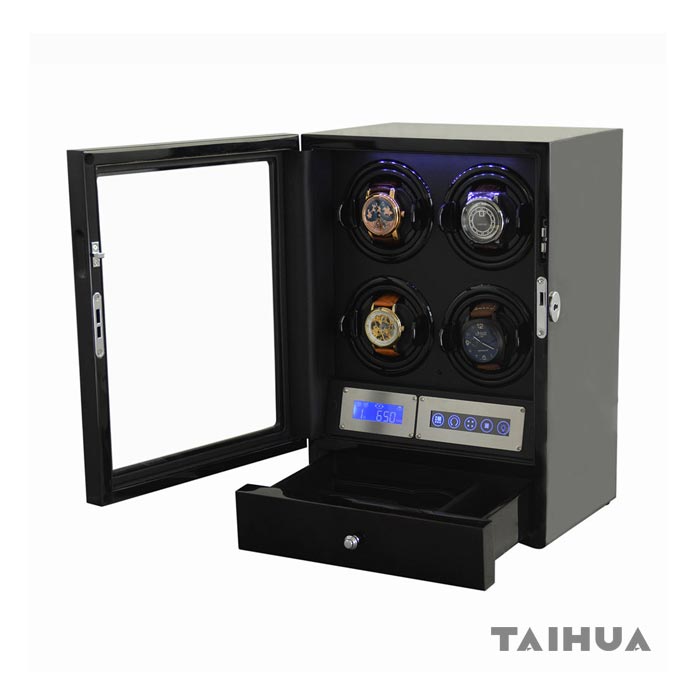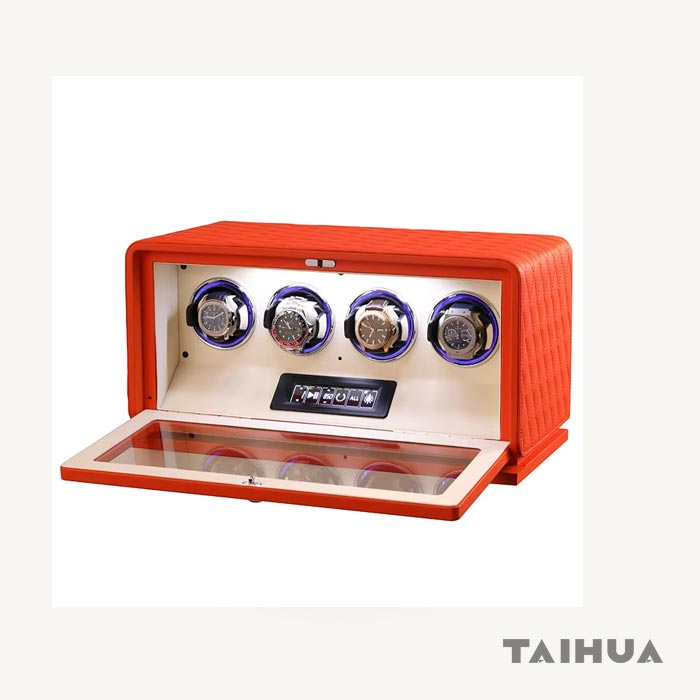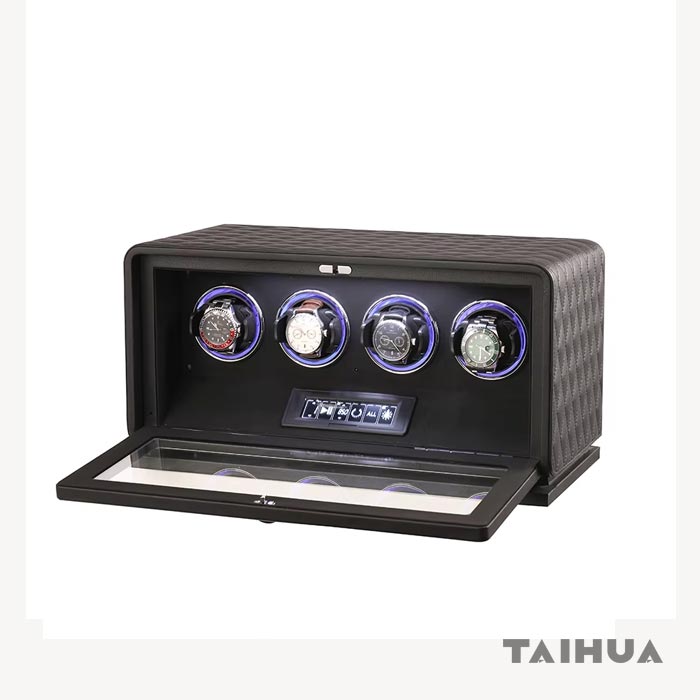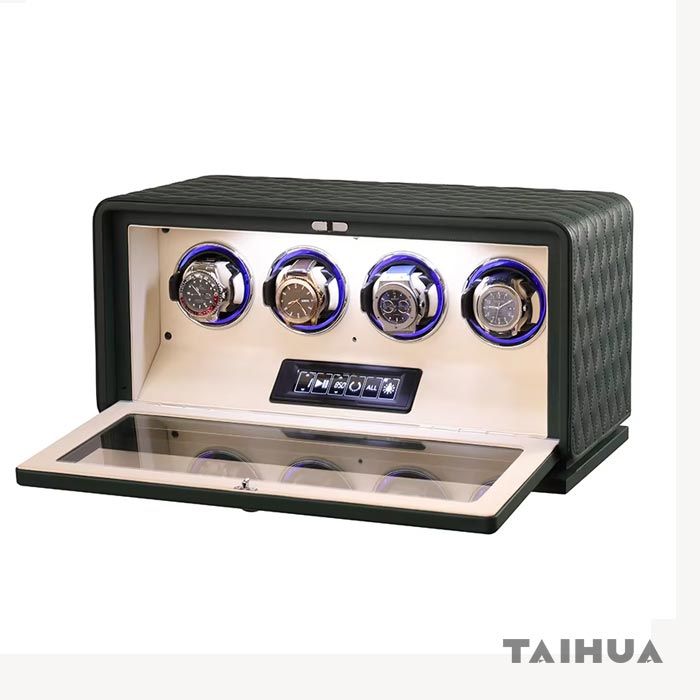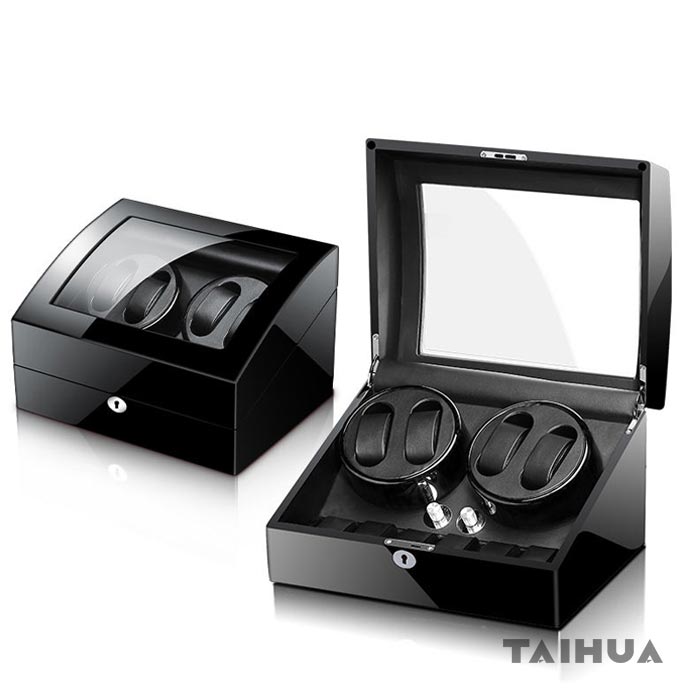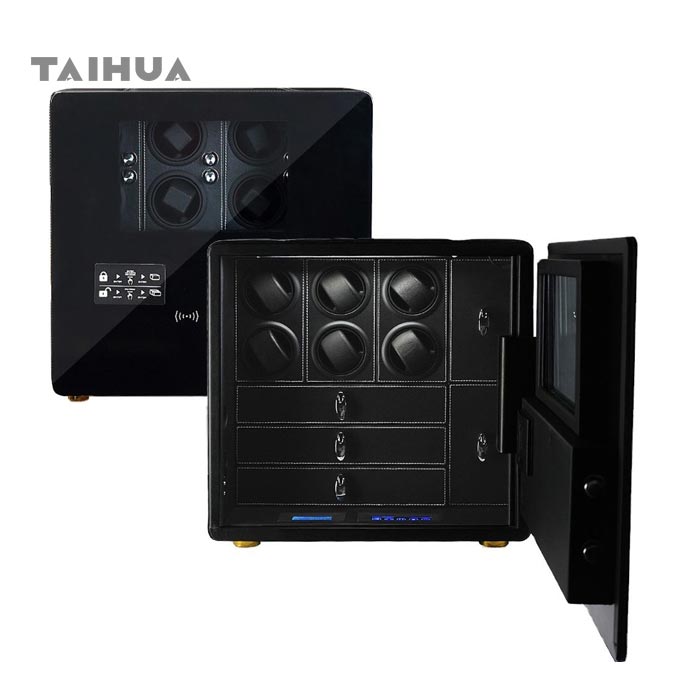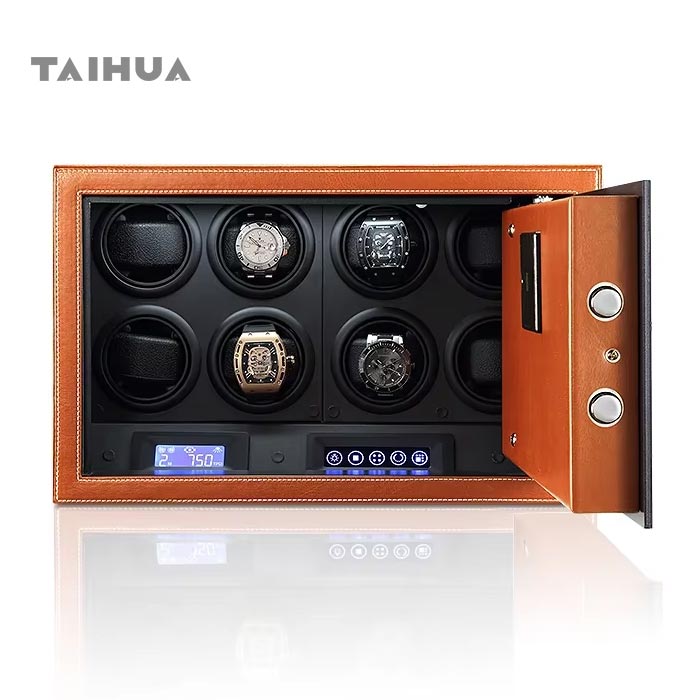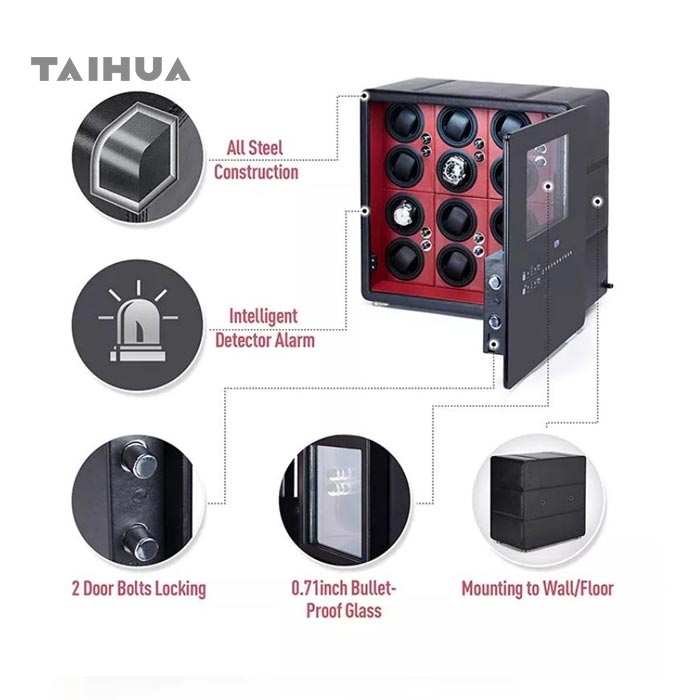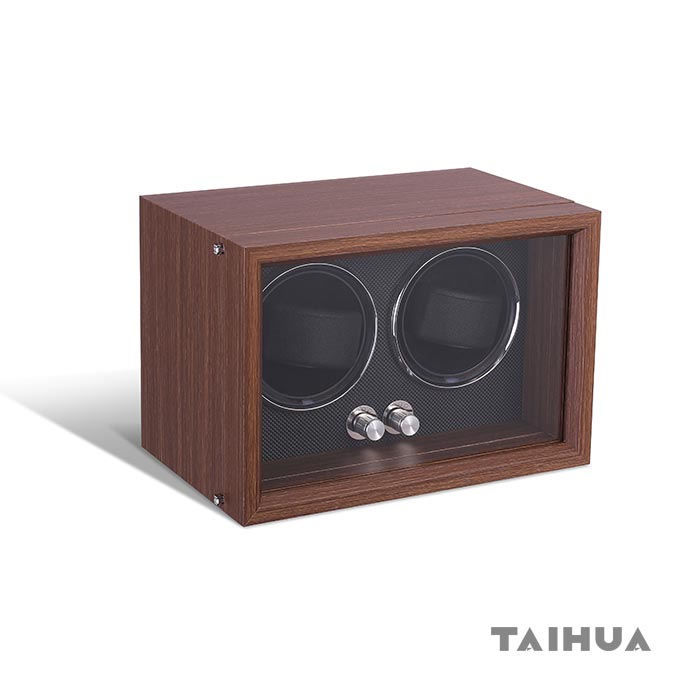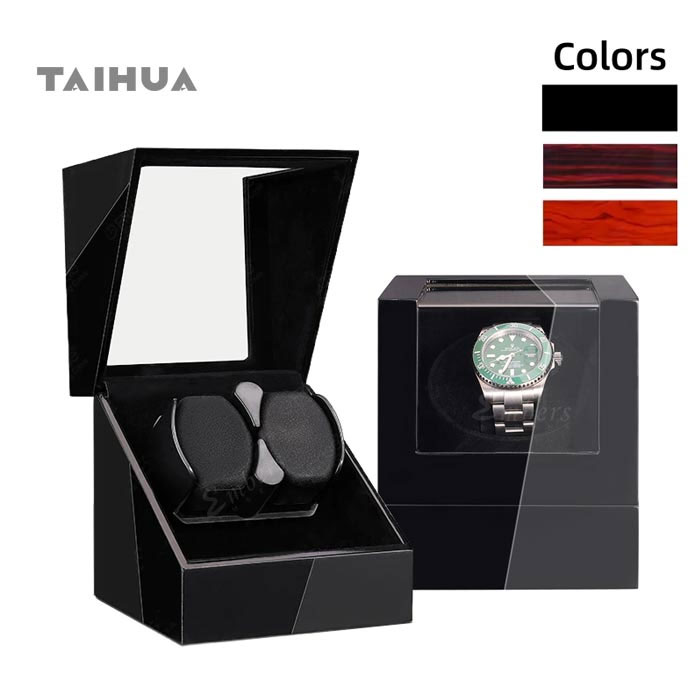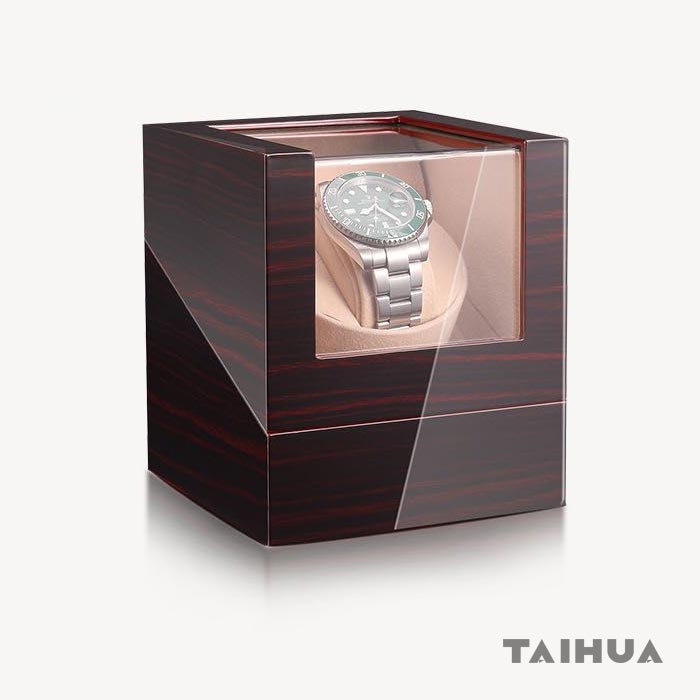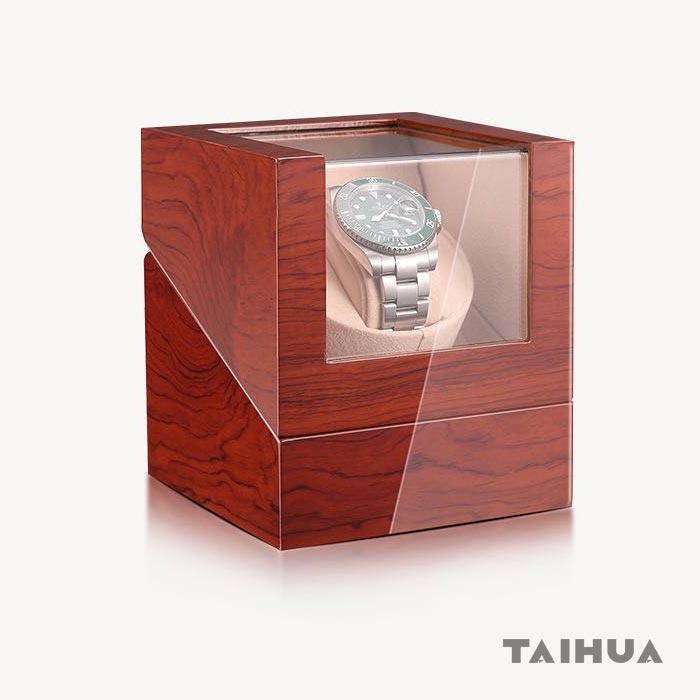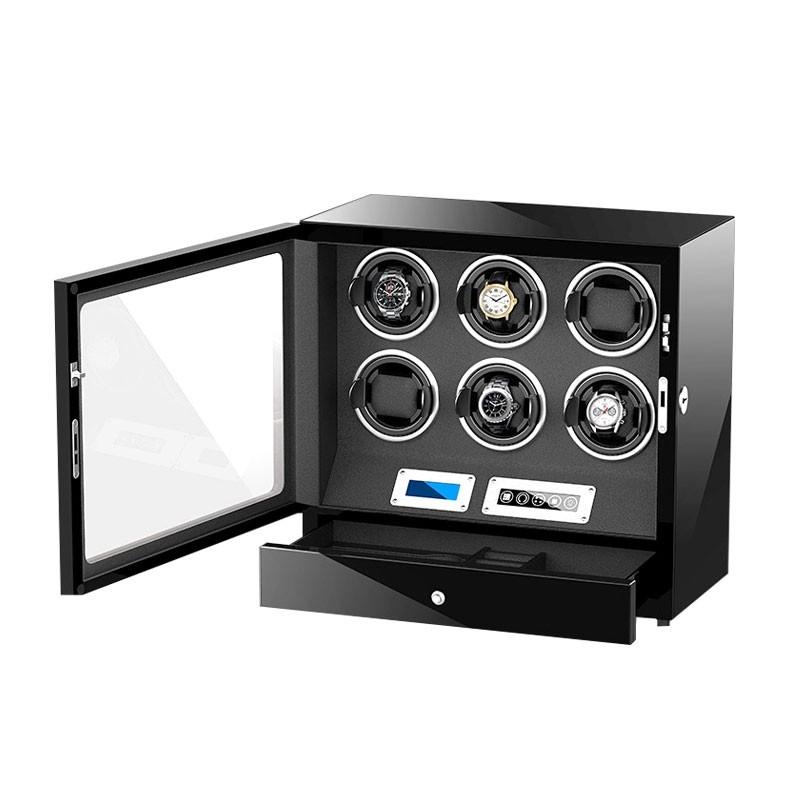


A watch winder box keeps automatic watches rotating when they are not being worn, helping maintain the movement's power reserve and keeping complications such as the date ready for use. When choosing between 4-slot, 6-slot, and 8-slot watch winders, the biggest differences are capacity, physical size, motor configuration, power consumption, price, and room for expanding your watch collection.
For buyers with multiple automatic watches, choosing the right capacity can also reduce the need to purchase another winder later.
4 vs. 6 vs. 8-Slot Watch Winder: Quick Comparison
| Feature | 4-Slot | 6-Slot | 8-Slot |
|---|---|---|---|
| Capacity | 4 watches | 6 watches | 8 watches |
| Overall size | Compact | Medium | Large |
| Best for | Small collections | Growing collections | Large collections |
| Space required | Low | Medium | High |
| Portability | Best | Moderate | Lowest |
| Power consumption | Usually lowest | Medium | Usually highest |
| Motor count | Depends on design | Depends on design | Depends on design |
| Typical price | Lower | Mid-range | Higher |
| Display effect | Good | Very good | Premium |
| Future expansion | Limited | Good | Excellent |
The number of slots does not automatically determine quality. A premium 4-slot model can have better motors and construction than an inexpensive 8-slot model.
What Is a 4-Slot Watch Winder?
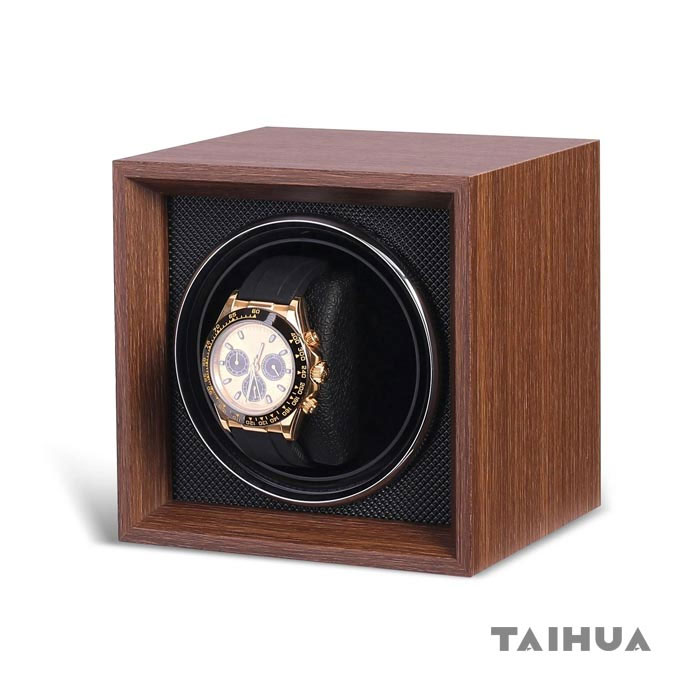
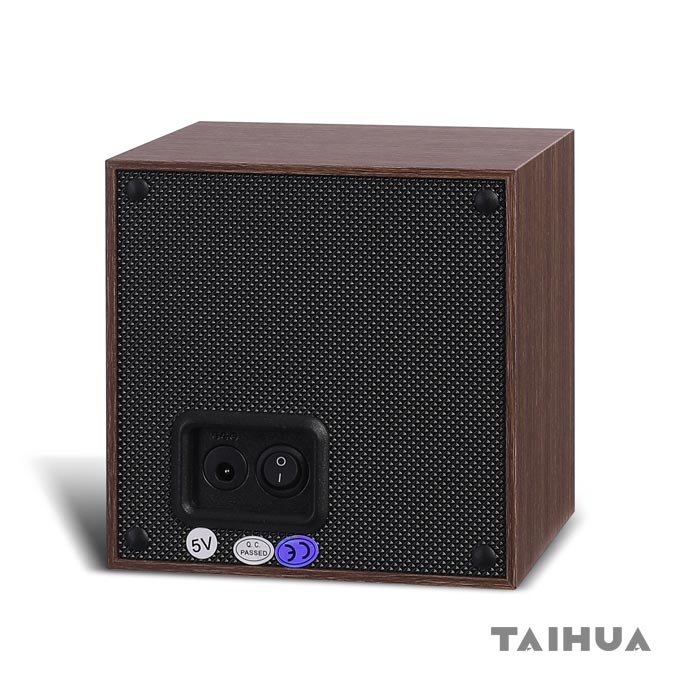
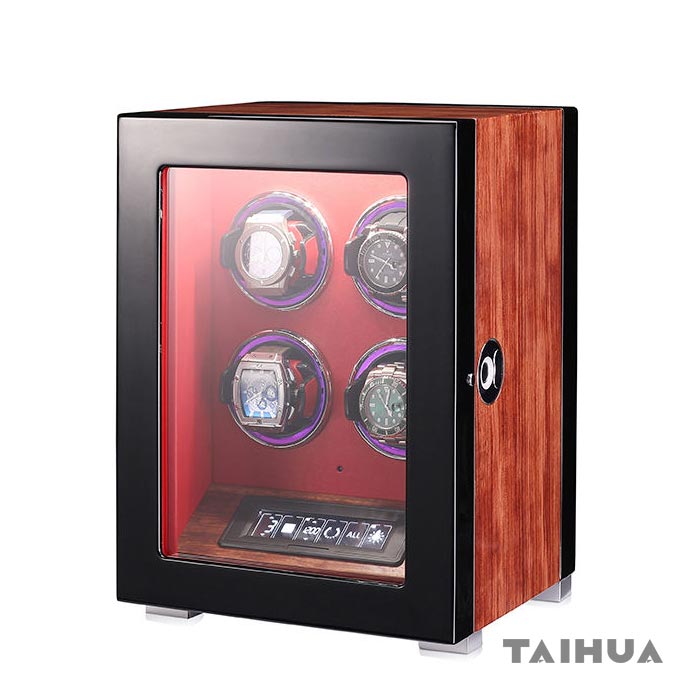
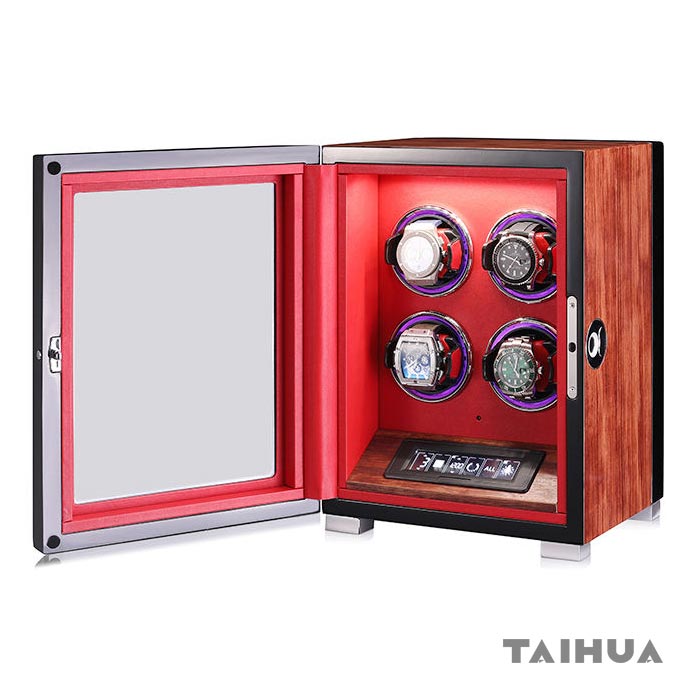
A 4-slot watch winder holds up to four automatic watches at the same time.
It is usually the most compact option among these three sizes and is suitable for collectors who own a few frequently worn automatic watches.
Its smaller dimensions make it easier to place on a dresser, desk, shelf, or inside some cabinets.
Advantages of a 4-Slot Winder
A 4-slot model offers several practical benefits:
-
Compact dimensions
-
Lower weight
-
Easier placement
-
Typically lower purchase cost
-
Lower overall power requirements
-
Ideal for smaller collections
For someone who owns two to four automatic watches and does not expect the collection to grow significantly, four slots may be enough.
The disadvantage is expansion capacity. If you already have four watches, purchasing another automatic watch immediately creates a capacity problem.
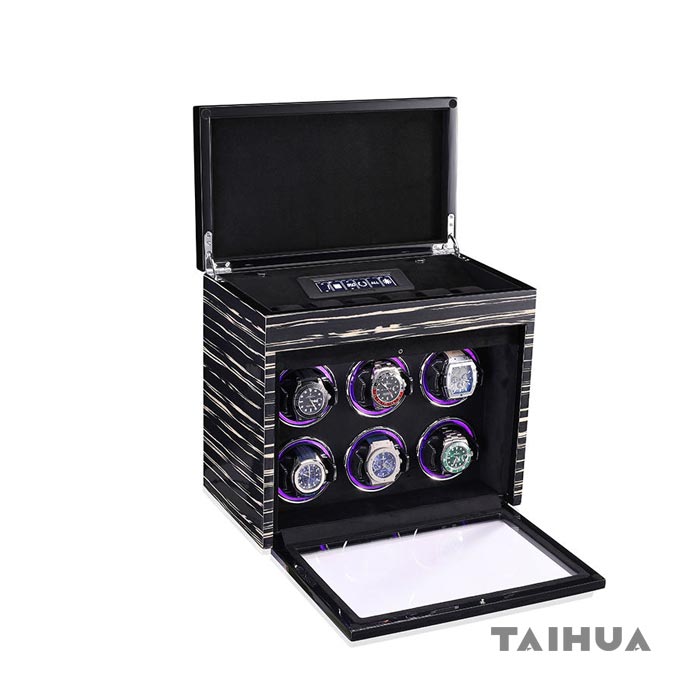
What Is a 6-Slot Watch Winder?


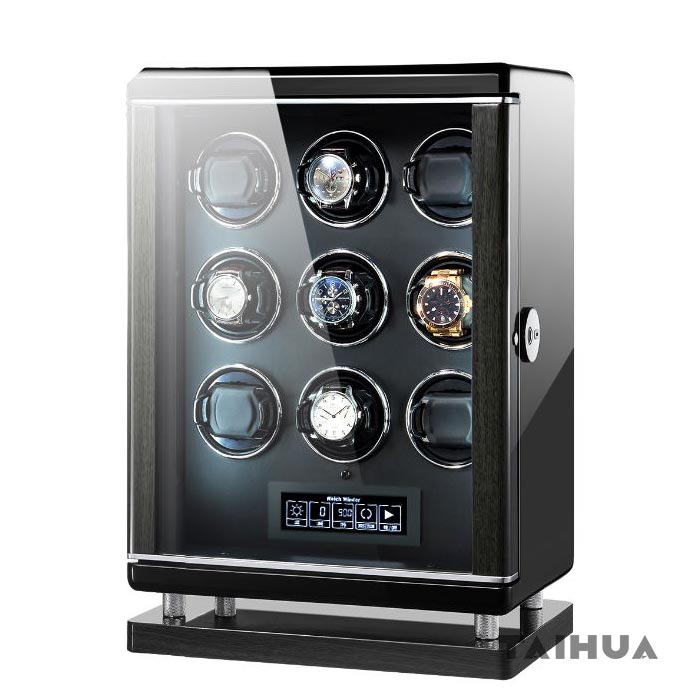
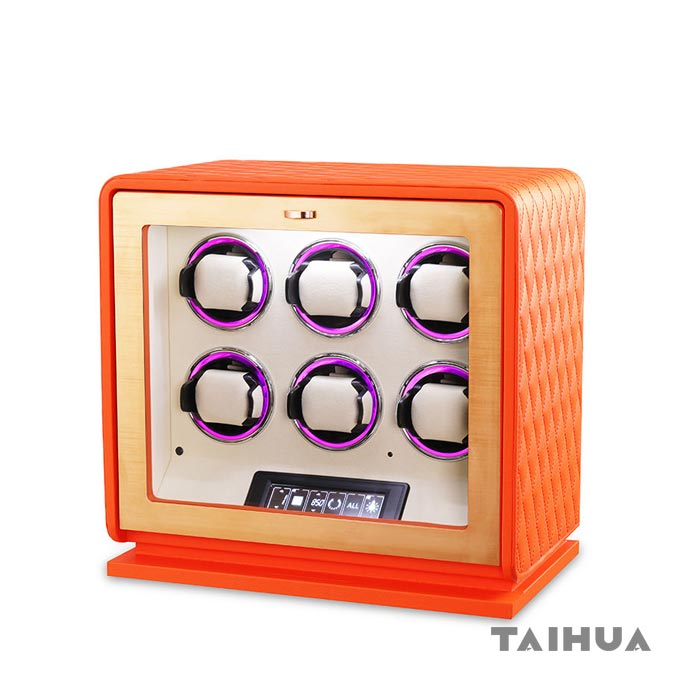
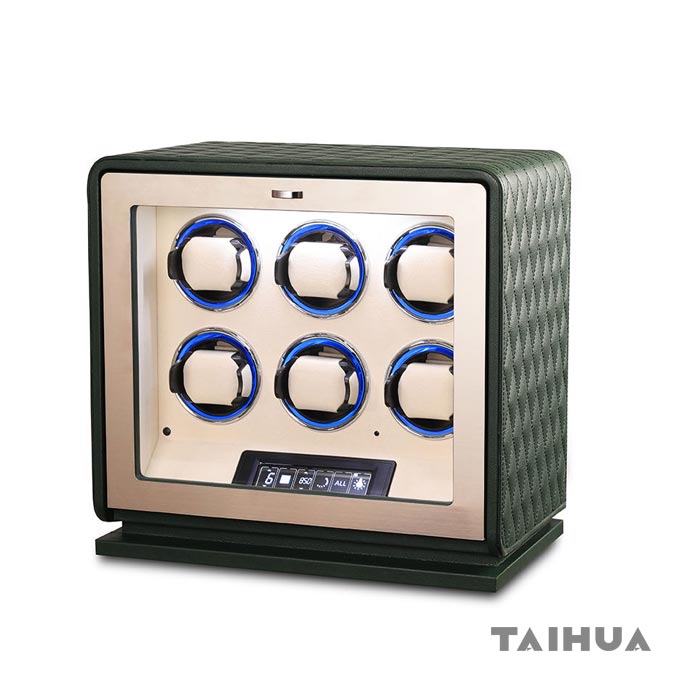
A 6-slot watch winder provides a middle ground between compactness and capacity.
It is particularly useful for collectors who already own several watches but do not need the dimensions of an 8-slot unit.
Compared with a 4-slot model, the additional two positions provide useful flexibility. For example, you might currently own four automatic watches while leaving two positions available for future purchases.
Advantages of a 6-Slot Winder
-
More capacity than a 4-slot model
-
Still relatively manageable in size
-
Good expansion room
-
Attractive display for medium collections
-
Practical balance between cost and capacity
For many enthusiasts, six slots are a practical sweet spot.
What Is an 8-Slot Watch Winder?
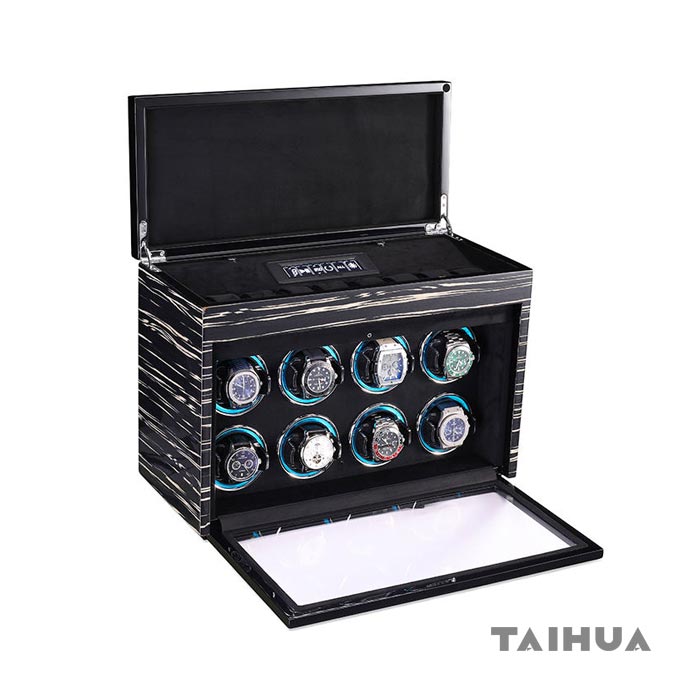
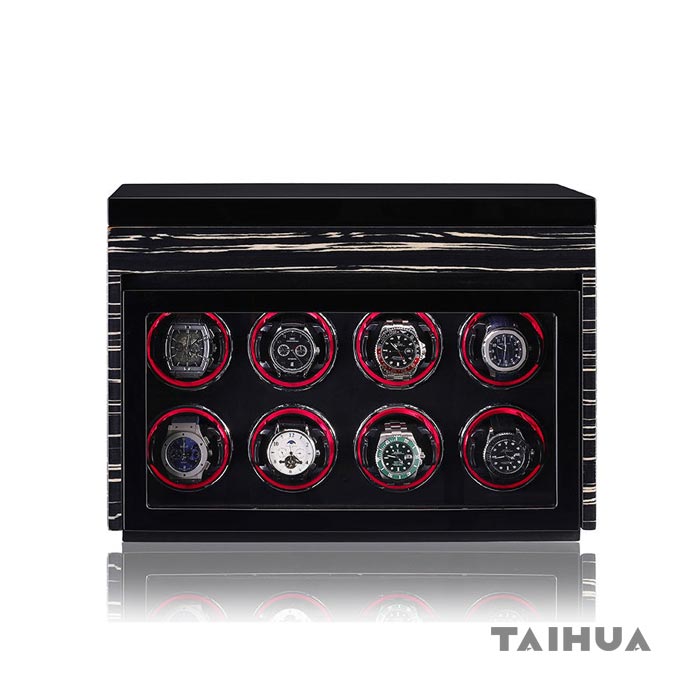
An 8-slot watch winder is designed for larger automatic-watch collections.
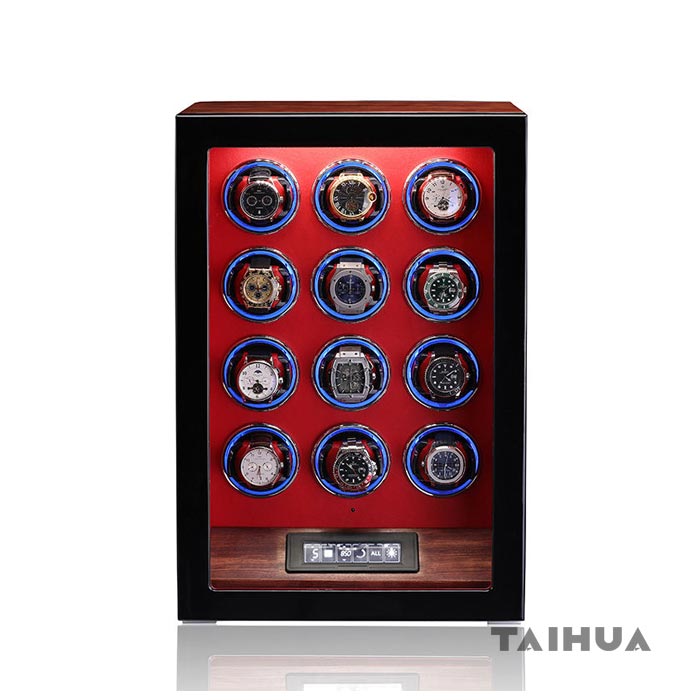
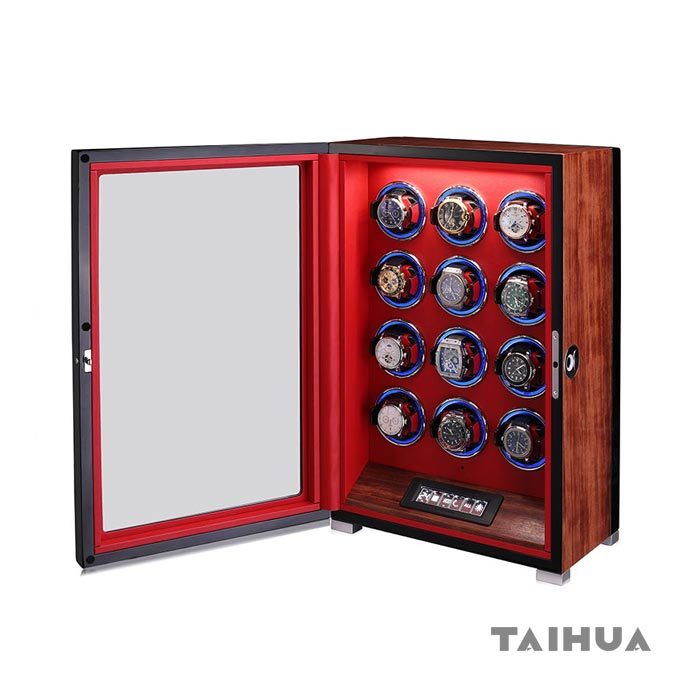
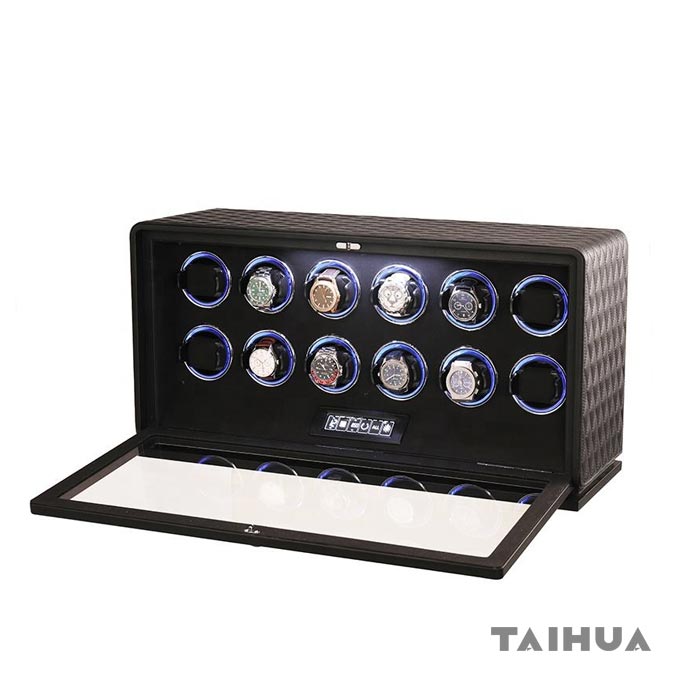
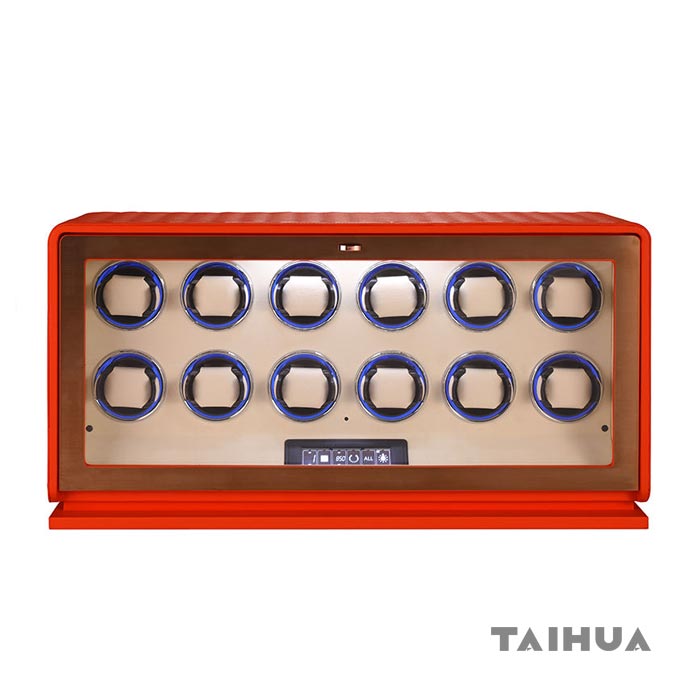
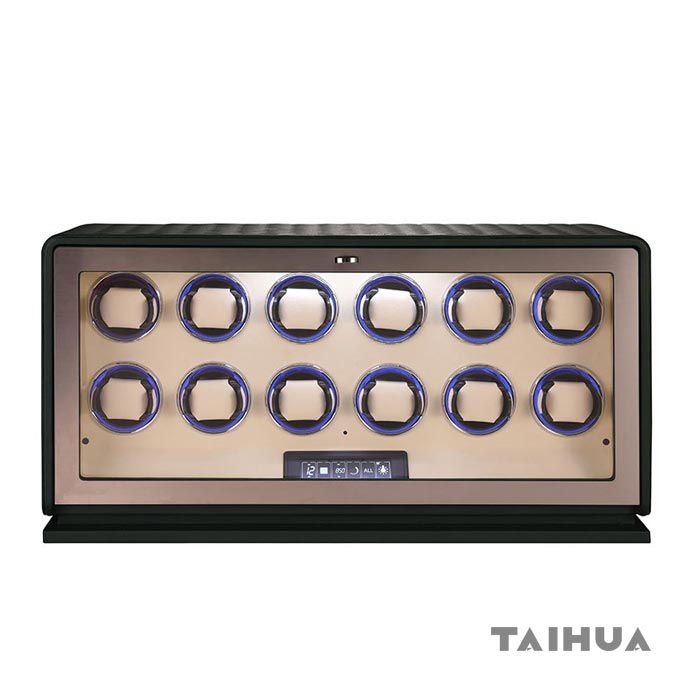
These models can become substantial display pieces, particularly when constructed with wood, leather, carbon-fiber-style finishes, glass windows, interior lighting, or touchscreen controls.
An 8-slot winder may be suitable for serious collectors or households where several people own automatic watches.
Advantages of an 8-Slot Winder
-
Large winding capacity
-
Excellent collection display
-
More space for future watches
-
Convenient centralized storage
-
Suitable for luxury collections
The trade-off is size.
An 8-slot winder requires significantly more space than a compact model and can also be heavier and more expensive.
Size and Space Differences
Physical dimensions are one of the most important differences between 4-, 6-, and 8-slot winders.
A 4-slot unit is usually easier to position in a bedroom or office.
Moving to six slots increases the width or height depending on how the motors are arranged.
Eight-slot models can become much larger, especially if the manufacturer uses a horizontal configuration.
For example:
4 slots: ○ ○ ○ ○
6 slots: ○ ○ ○
○ ○ ○
8 slots: ○ ○ ○ ○
○ ○ ○ ○
Manufacturers can arrange the winding modules differently, so always check actual product dimensions rather than assuming size solely from capacity.
Motor Configuration Matters More Than Slot Count
The motor system is arguably more important than whether the box contains four, six, or eight positions.
High-quality watch winders should provide quiet, stable rotation.
Depending on the design, one motor may control one watch position or multiple positions may share a motor system.
For bedroom use, motor noise becomes particularly important.
A visually attractive 8-slot winder is not very useful if eight rotating watches produce noticeable mechanical noise throughout the night.
Look for features such as:
-
Low-noise motors
-
Stable rotation
-
Independent motor control
-
Reliable gear mechanisms
-
Long motor lifespan
TPD: An Important Specification
TPD means Turns Per Day.
Different automatic watch movements may require different numbers of rotations to maintain their power reserve.
Common watch-winder settings might include:
650 / 750 / 850 / 1000 / 1200 TPD
The exact requirement depends on the watch movement.
A better multi-watch winder allows different winding modules or groups to use different TPD settings.
This becomes increasingly important with a 6- or 8-slot winder, because a larger collection is more likely to contain watches with different winding requirements.
Rotation Direction
Automatic movements can also differ in the direction they require.
A watch winder may provide:
Clockwise (CW)
Counterclockwise (CCW)
Bidirectional
A multi-watch collection may contain watches requiring different configurations.
Therefore, independent control is particularly valuable in larger watch winders.
For example, one pair of watches could operate at 650 TPD bidirectionally while another pair operates at 900 TPD clockwise.
Independent Control vs. Group Control
This is an important distinction when comparing products.
A 4-slot winder might have four independently controlled positions.
Another model could have two motors, with each motor controlling two watches.
The same issue applies to 6- and 8-slot models.
For a collection containing different watch movements, independent or multi-zone control offers greater flexibility.
Don't assume that "8-slot" means eight independently programmable winding positions.
Power Consumption
Larger winders generally require more energy because they operate more motors.
However, watch winders do not normally rotate continuously. A properly designed system rotates for predetermined periods and then rests.
This intermittent cycle helps mimic normal wrist movement and prevents unnecessary continuous operation.
Some smaller winders also offer battery operation, while larger 6- and 8-slot systems are more commonly suited to AC adapters because of their greater power requirements.
AC vs. Battery-Powered Watch Winders
A 4-slot winder is generally easier to design for battery operation because fewer motors need power.
As capacity increases, battery operation becomes less practical.
For 6- or 8-slot models, an AC power adapter is often preferable for continuous long-term use.
Some products support both:
AC adapter + battery
This gives the owner more placement flexibility.
Watch Cushion Size
Capacity isn't the only physical consideration.
Check whether the watch pillows or cushions fit your watches properly.
This is particularly important for:
-
Small wrists
-
Large watches
-
Heavy sports watches
-
Metal bracelets
-
Large cases
A poorly sized cushion can make a watch difficult to install or put excessive tension on its bracelet.
For luxury watch storage, soft materials and adjustable cushions are preferable.
Watch Size and Clearance
Modern sports watches can have relatively large cases.
If watches are positioned too close together, large models may touch each other while rotating.
Before purchasing an 8-slot winder simply because it offers more capacity, check the maximum supported case diameter and clearance between winding modules.
This is especially important if your collection contains 44–50 mm watches.
Materials and Appearance
Watch winders are also display products, so appearance matters.
Common exterior materials include:
-
Solid or engineered wood
-
Piano lacquer
-
Leather or PU leather
-
Carbon-fiber-style finishes
-
Aluminum
-
Glass or acrylic
Interior materials commonly include velvet, microfiber, suede-style fabric, or leather.
A 4-slot model can look discreet and minimalist, while an 8-slot box can serve as a prominent display for a luxury watch collection.
Additional Storage
Some watch winders combine rotating positions with stationary storage.
For example:
6 winding slots + 4 storage slots
This means six automatic watches can rotate while four quartz, manual, or occasionally worn watches remain stored underneath.
This configuration can be more useful than simply purchasing the largest number of winding slots.
Which Size Should You Choose?
The easiest method is to consider both your current collection and expected growth.
Choose a 4-slot watch winder if you own approximately 2–4 automatic watches, want a compact unit, and don't expect rapid collection growth.
Choose a 6-slot watch winder if you own approximately 4–6 watches or want some spare capacity. It offers a strong balance between physical size and flexibility.
Choose an 8-slot watch winder if you already have a large collection, regularly rotate between many automatic watches, or want enough room for future purchases.
A useful rule is:
Required capacity = current automatic watches + 1–2 spare positions
If you currently own four watches and expect to buy more, a 6-slot winder may therefore make more sense than purchasing a 4-slot model that is already full.
What Should B2B Buyers Look For?
For importers, distributors, and private-label watch winder brands, capacity is only one product specification.
Important purchasing considerations include:
Motor quality: Low-noise, durable motors are particularly important for bedroom use.
Independent control: Allows customers to configure different watch movements separately.
TPD range: Multiple TPD options increase movement compatibility.
Rotation modes: CW, CCW and bidirectional operation provide greater flexibility.
Power supply: Confirm adapter specifications for different markets, including US, EU, UK and AU plugs.
Cushion design: Adjustable cushions increase compatibility with different wrist and watch sizes.
Packaging: Larger 6- and 8-slot winders need stronger protective packaging because of their increased weight and glass components.
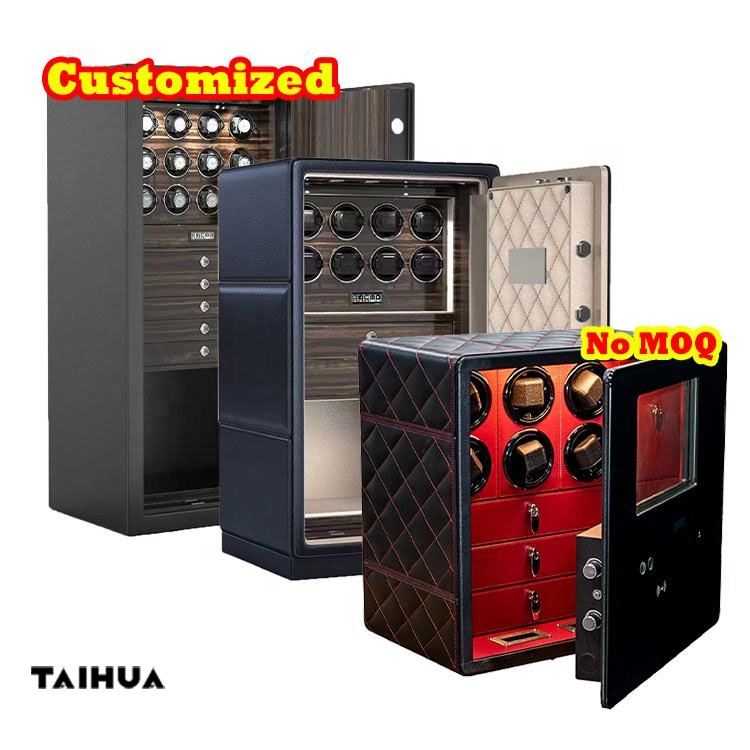
OEM/ODM: Custom logo, exterior material, interior lining, motor configuration, lighting, control panel and packaging can differentiate a private-label product.
The main difference between 4-, 6-, and 8-slot watch winder boxes is capacity, but the best choice should also consider dimensions, motor configuration, noise, TPD settings, rotation direction, power supply and future collection growth.
A 4-slot winder is compact and practical for smaller collections. A 6-slot model offers an excellent balance between capacity and size. An 8-slot watch winder is better suited to larger collections and premium display applications.
Most importantly, don't choose a watch winder based on slot count alone. A well-designed 4-slot winder with quiet motors and independent TPD controls can be a better product than an inexpensive 8-slot model with limited settings and noisy shared motors.