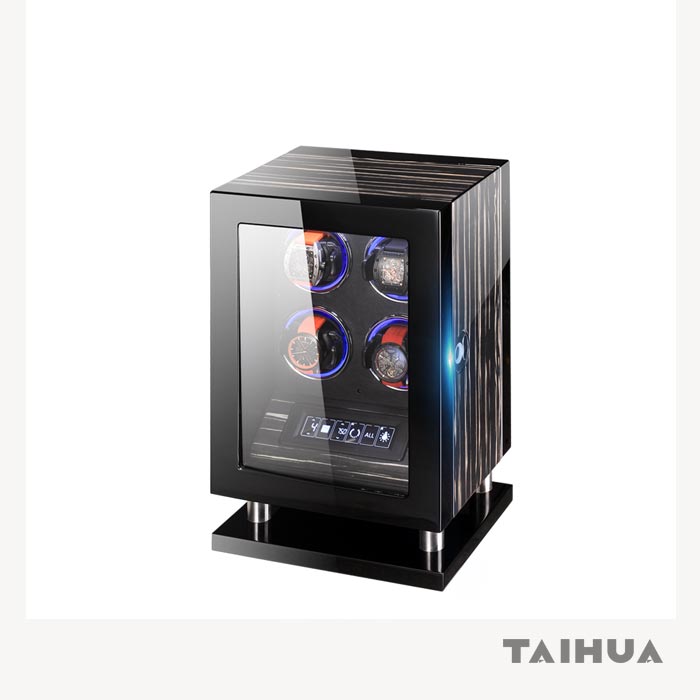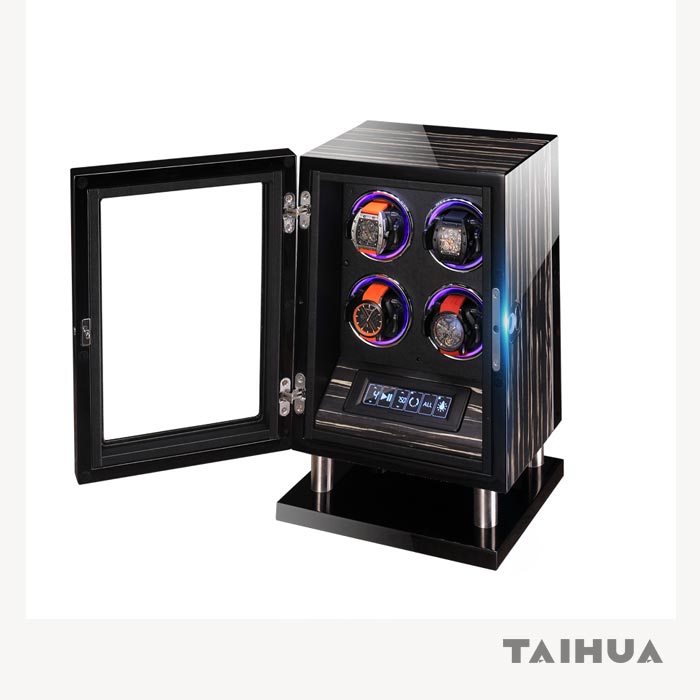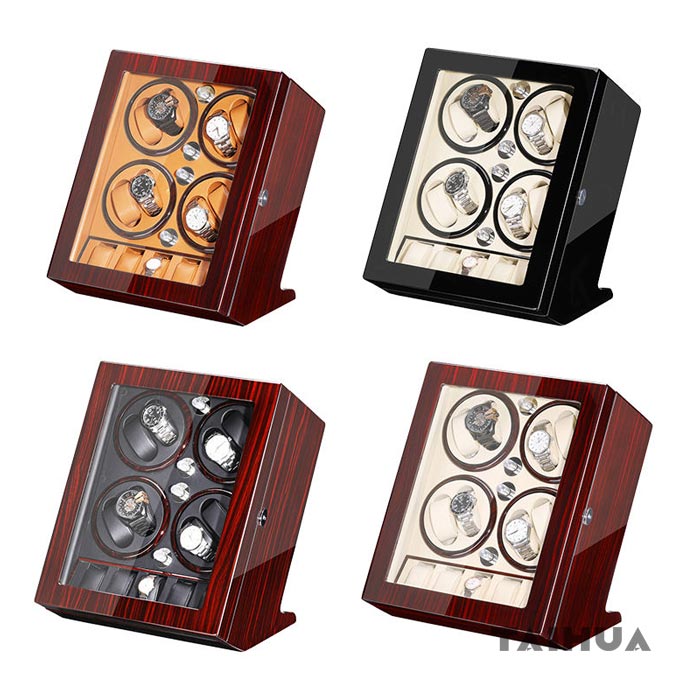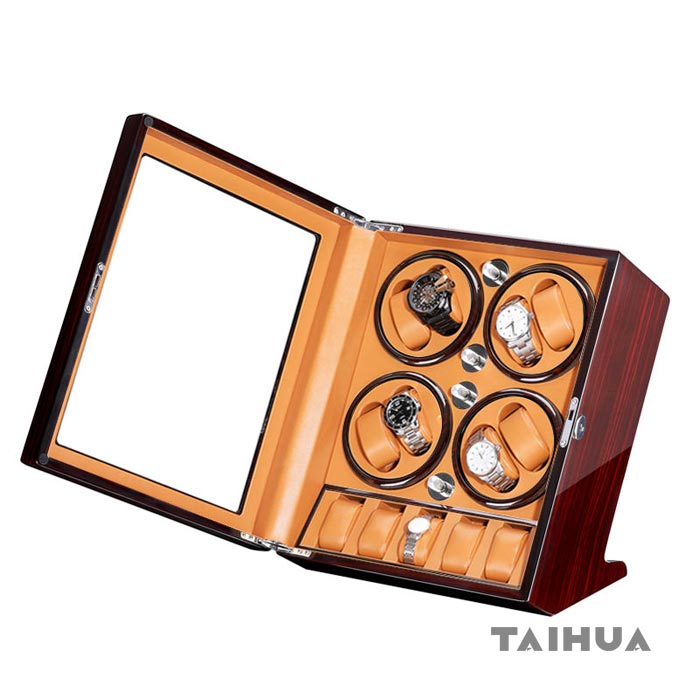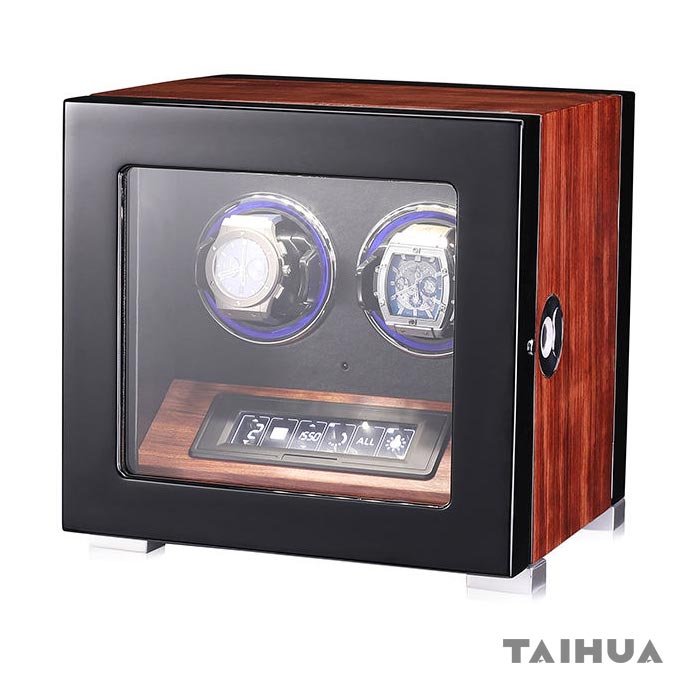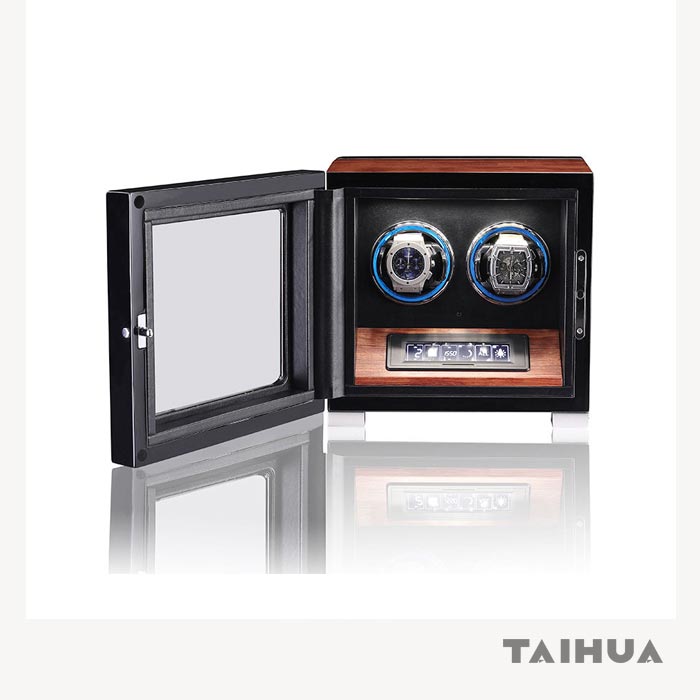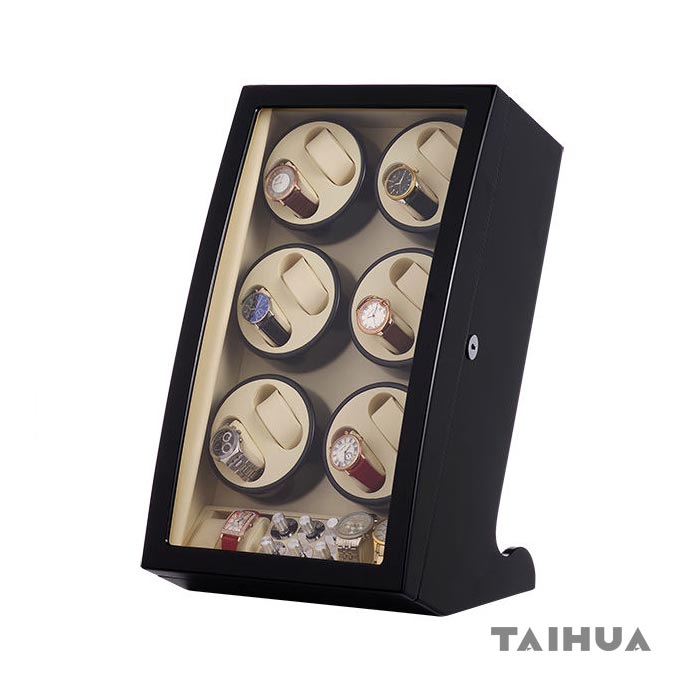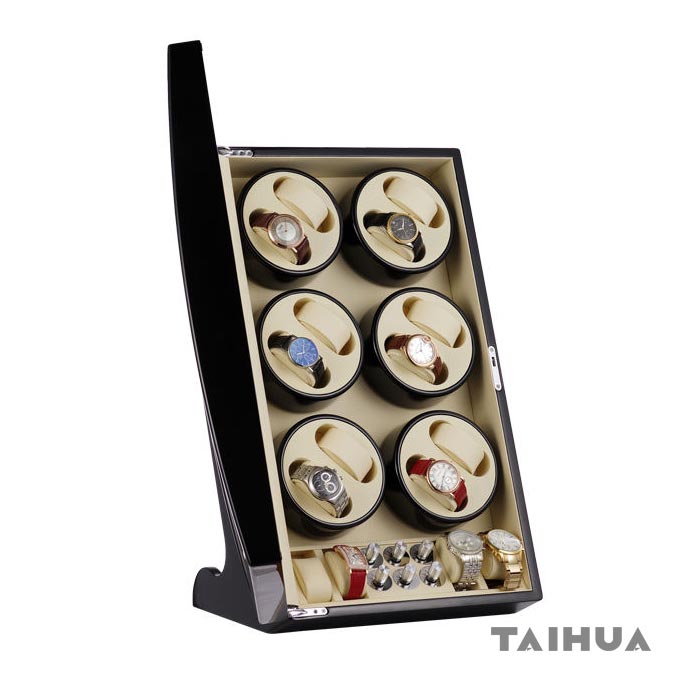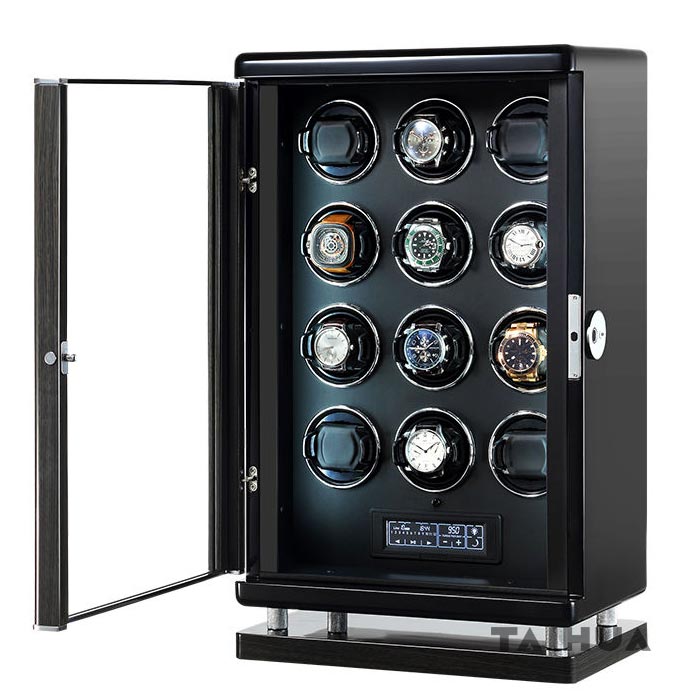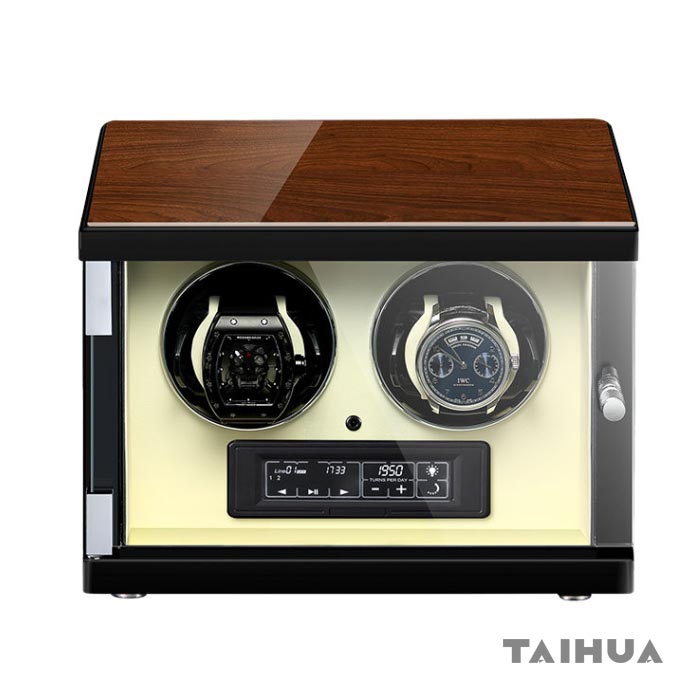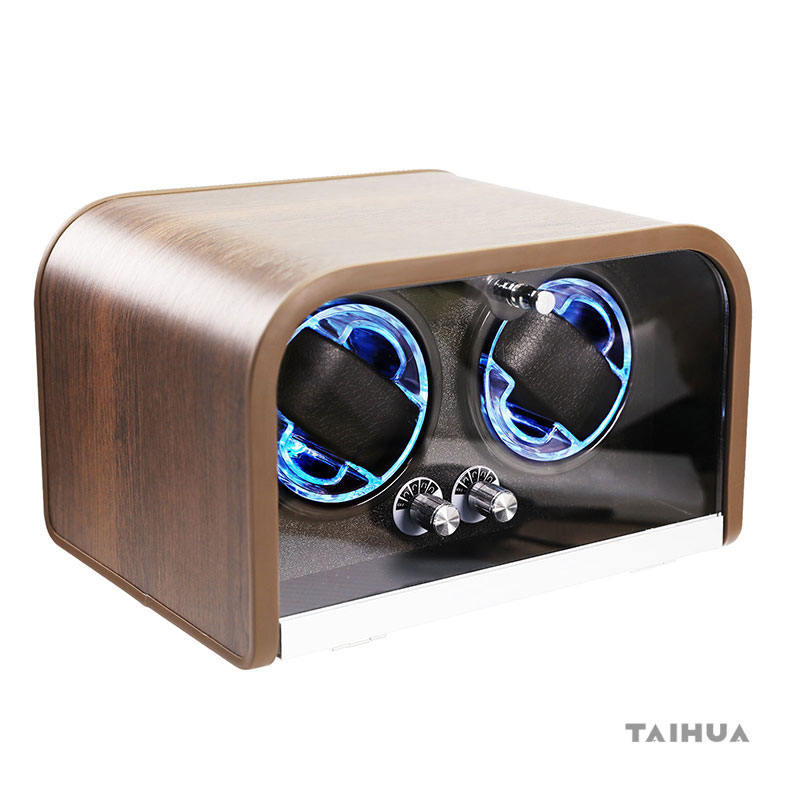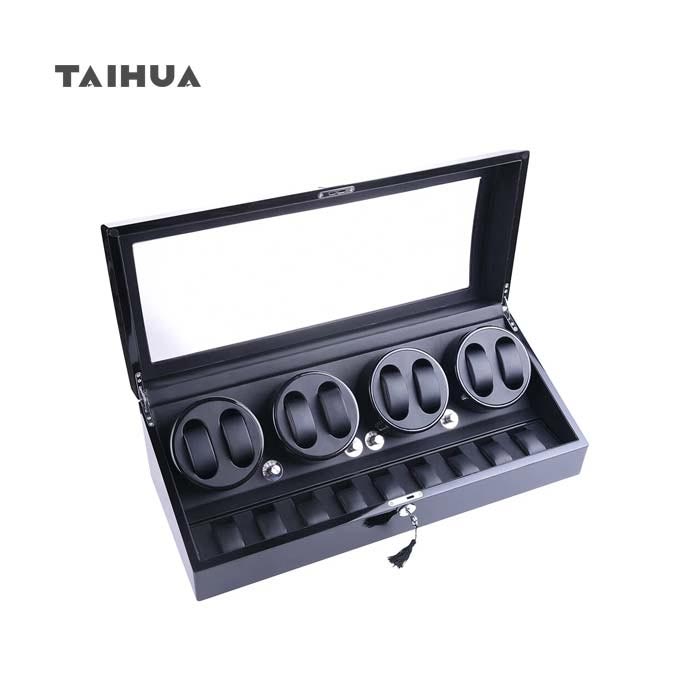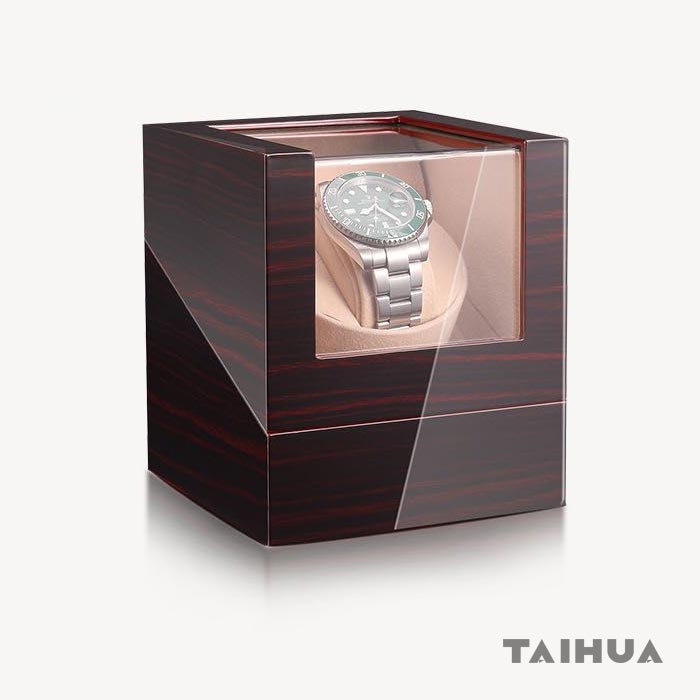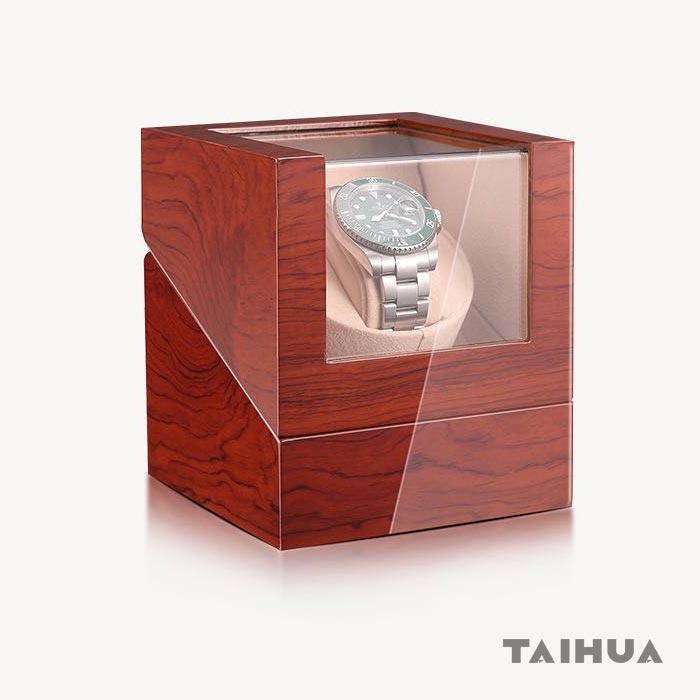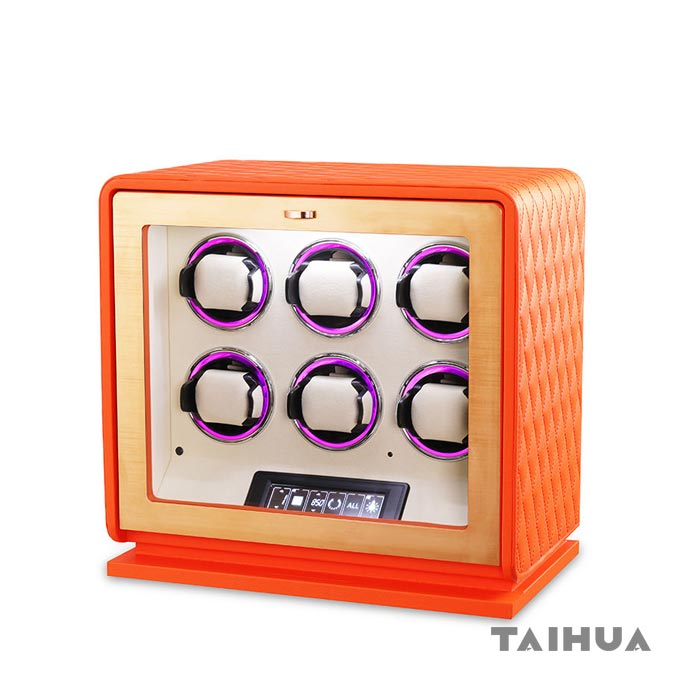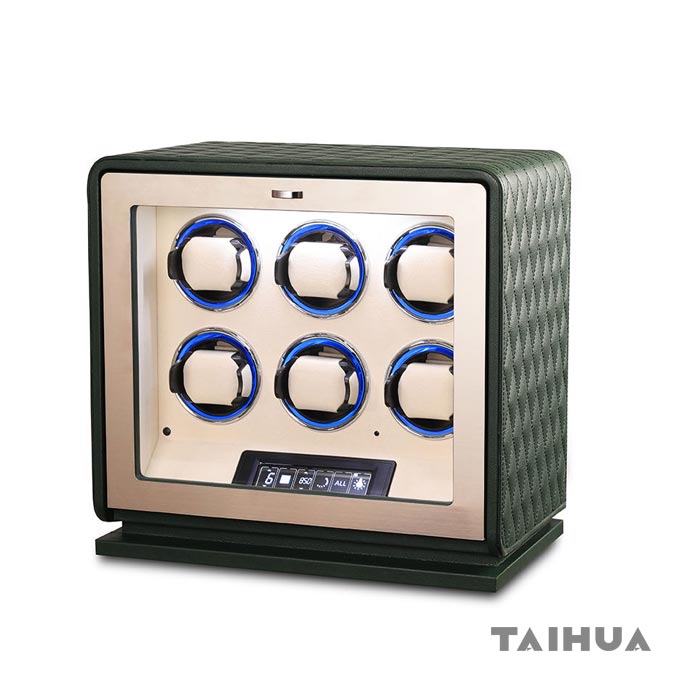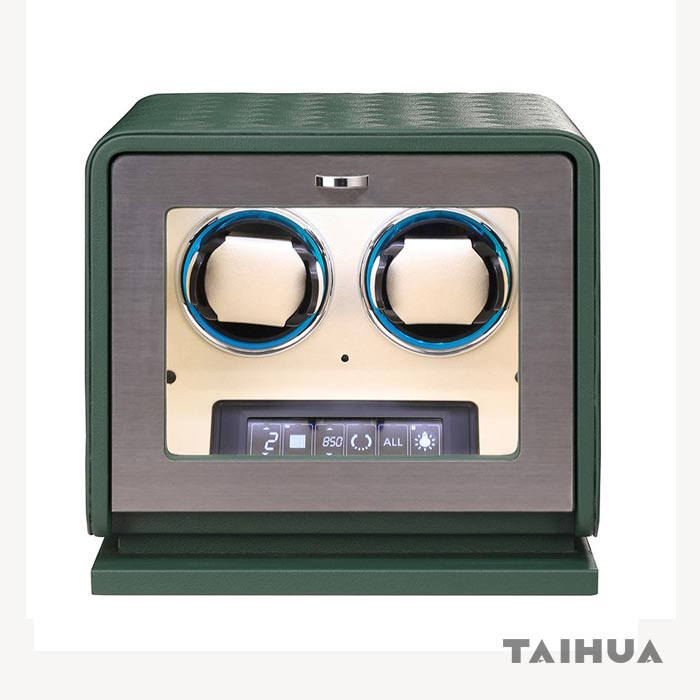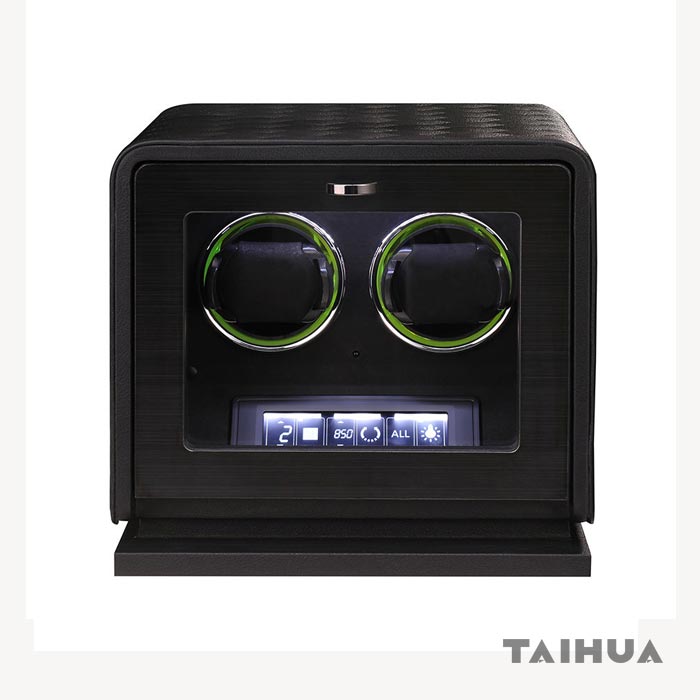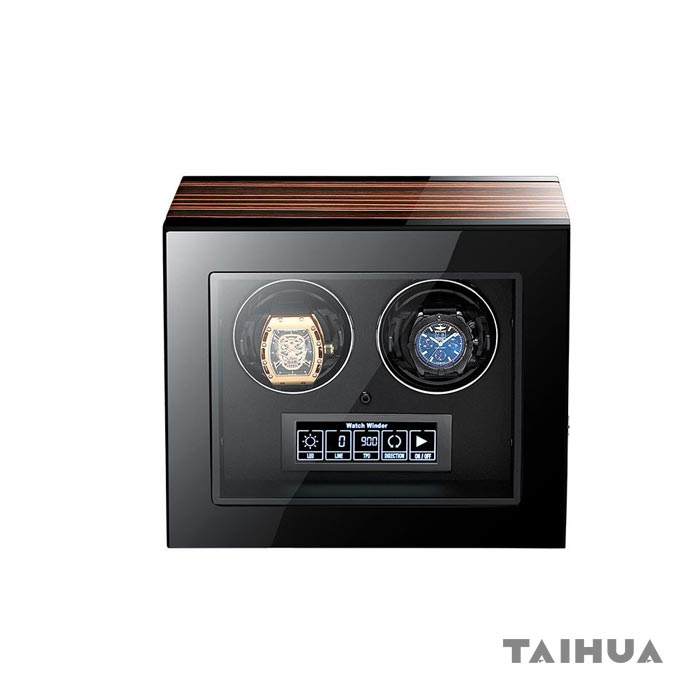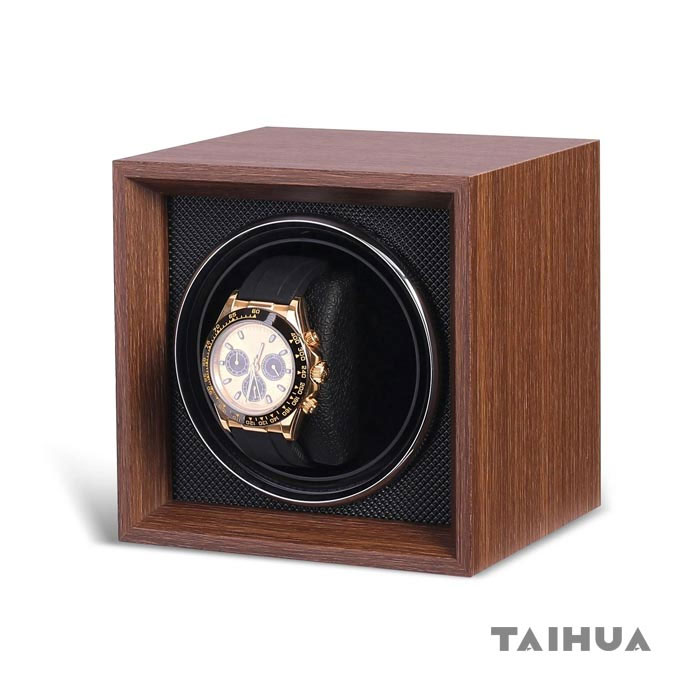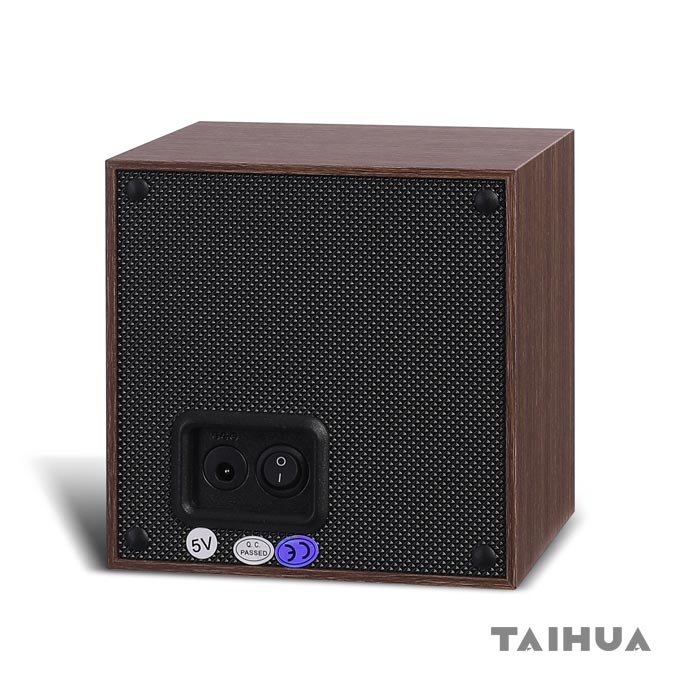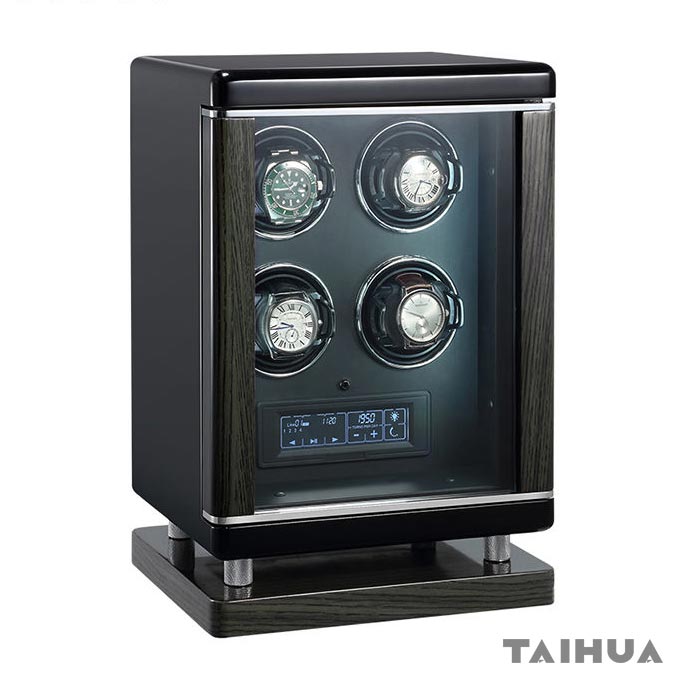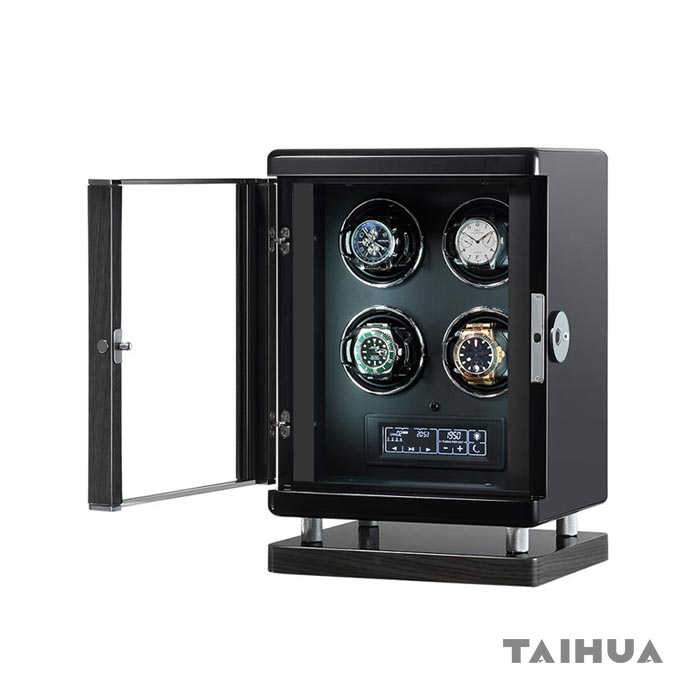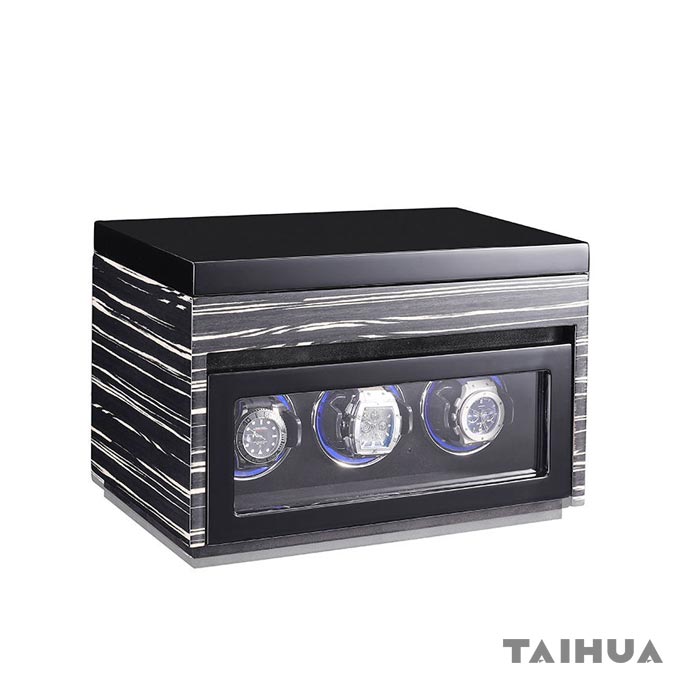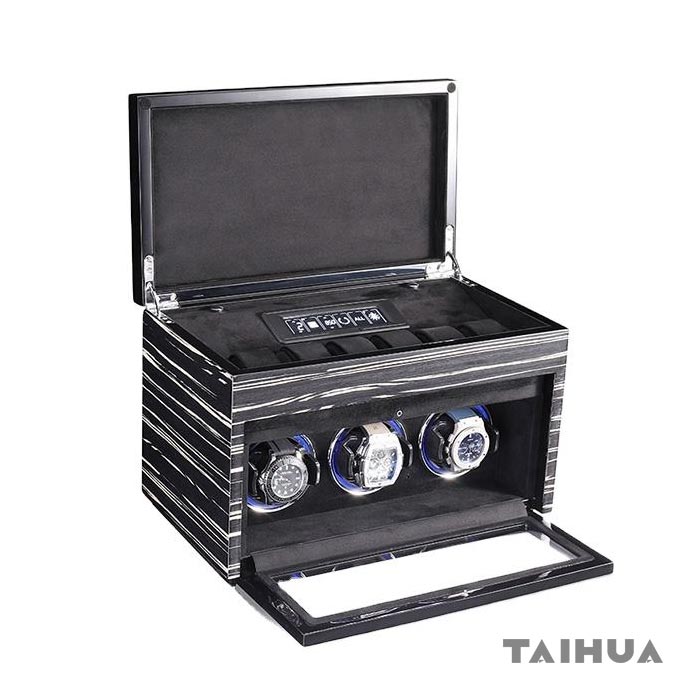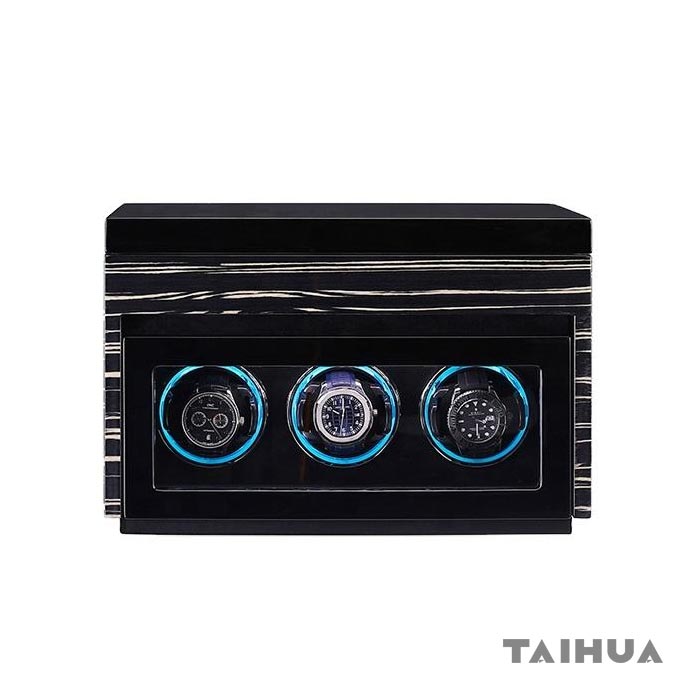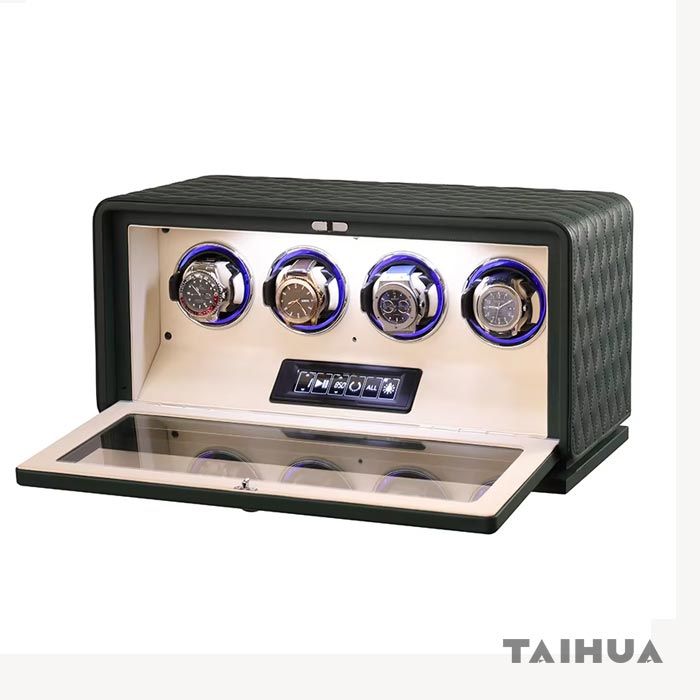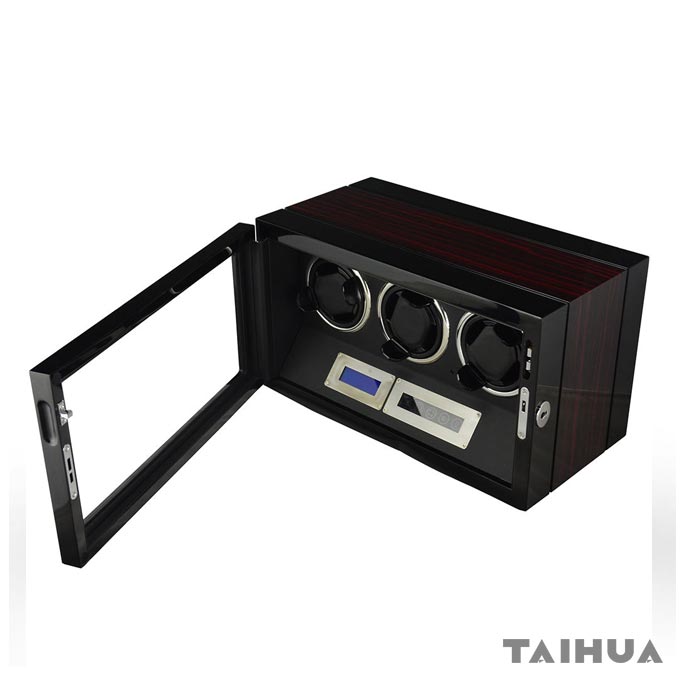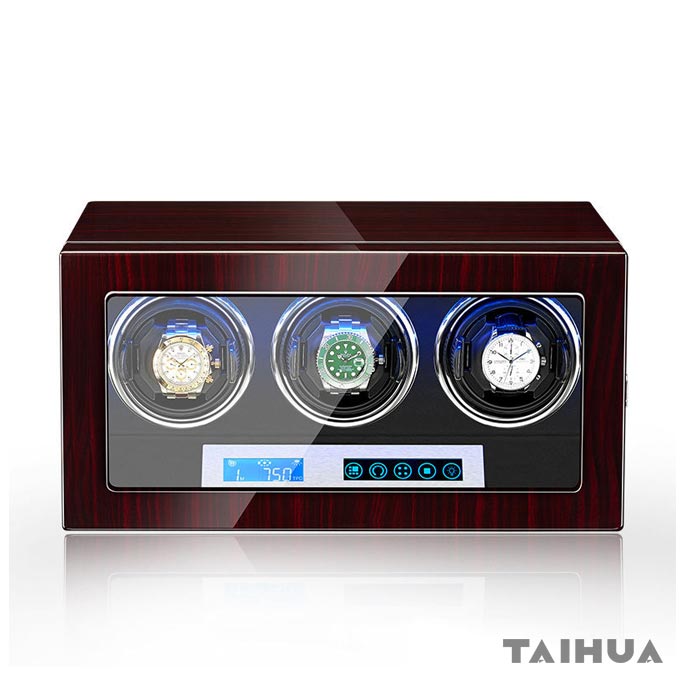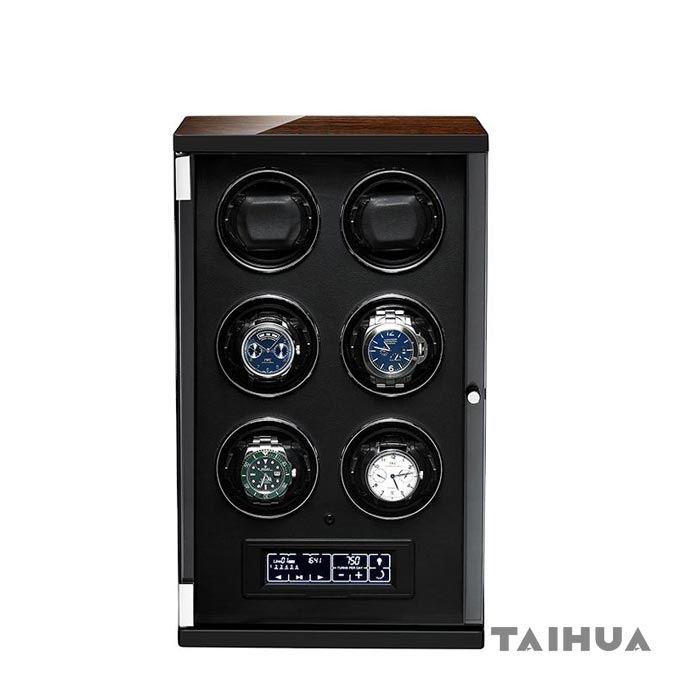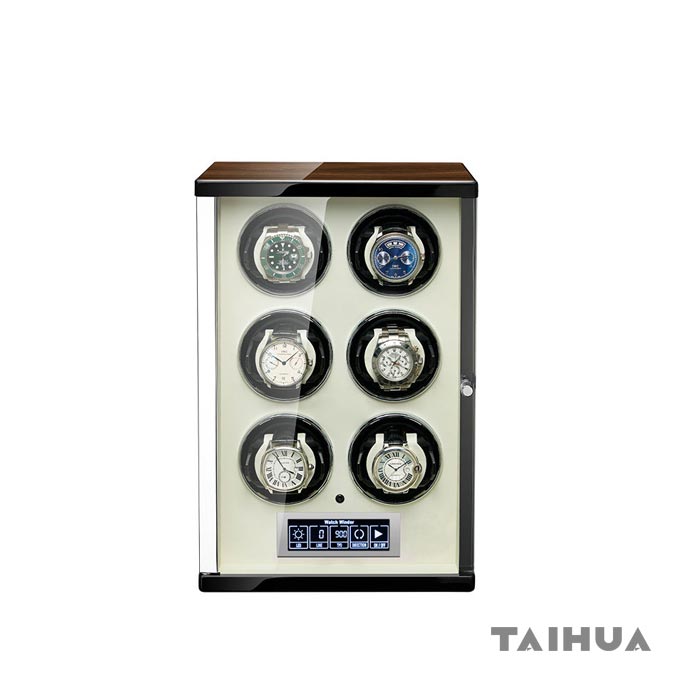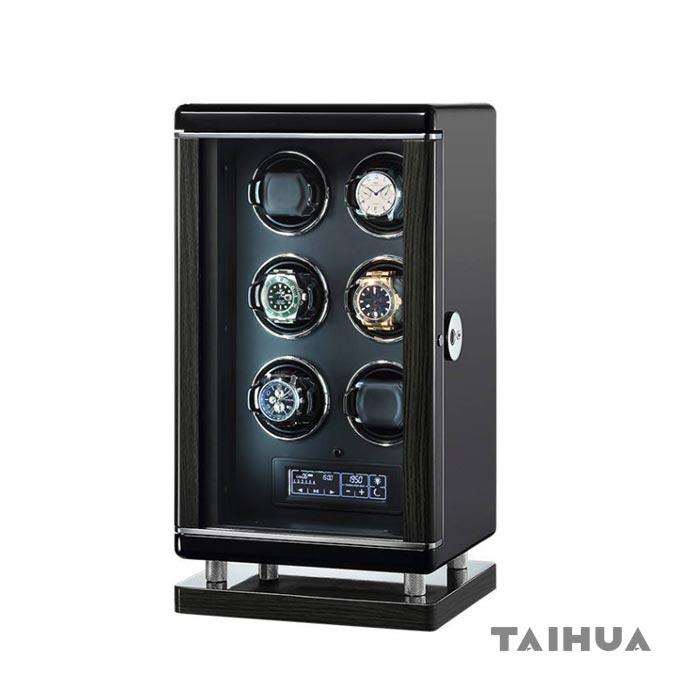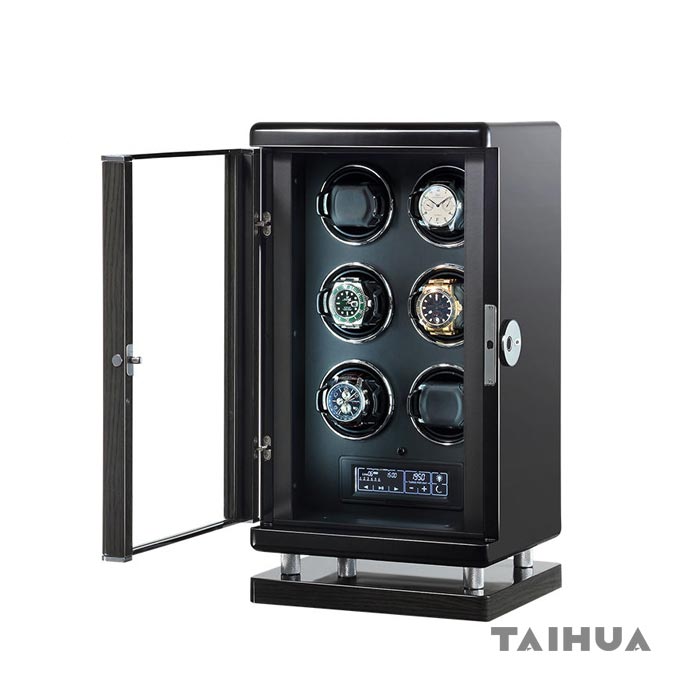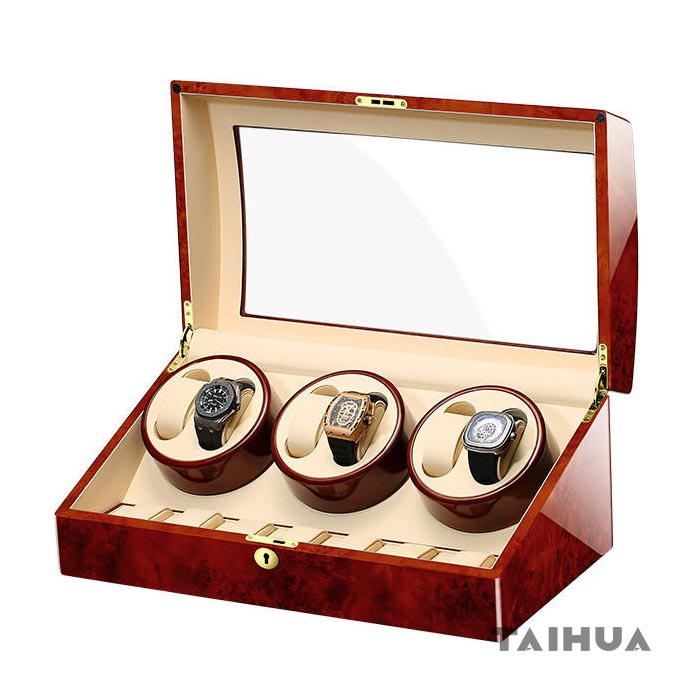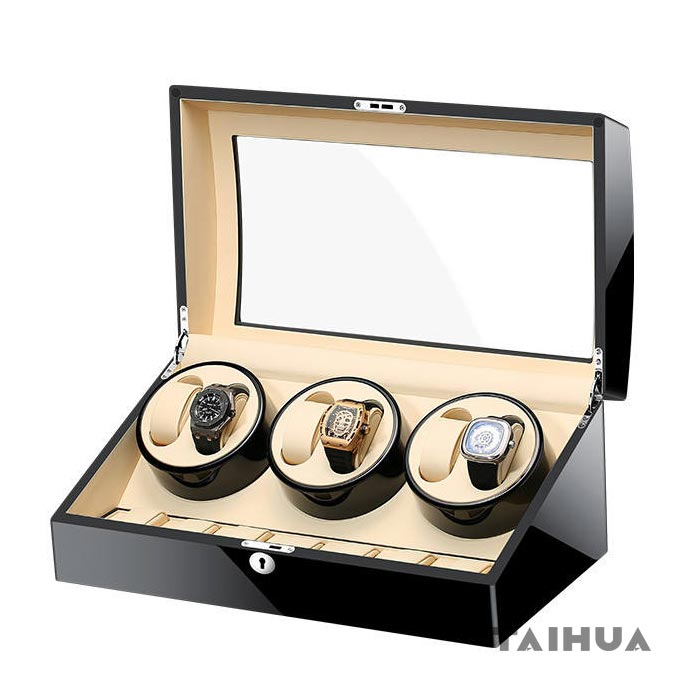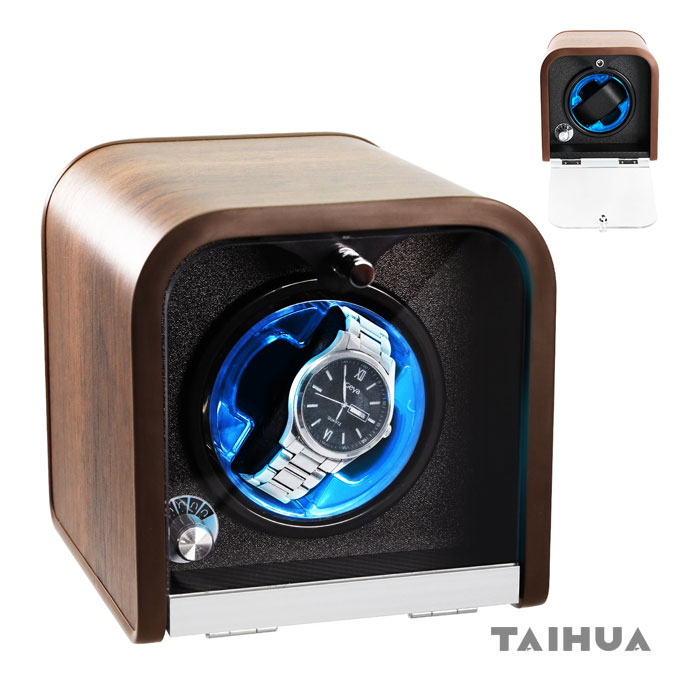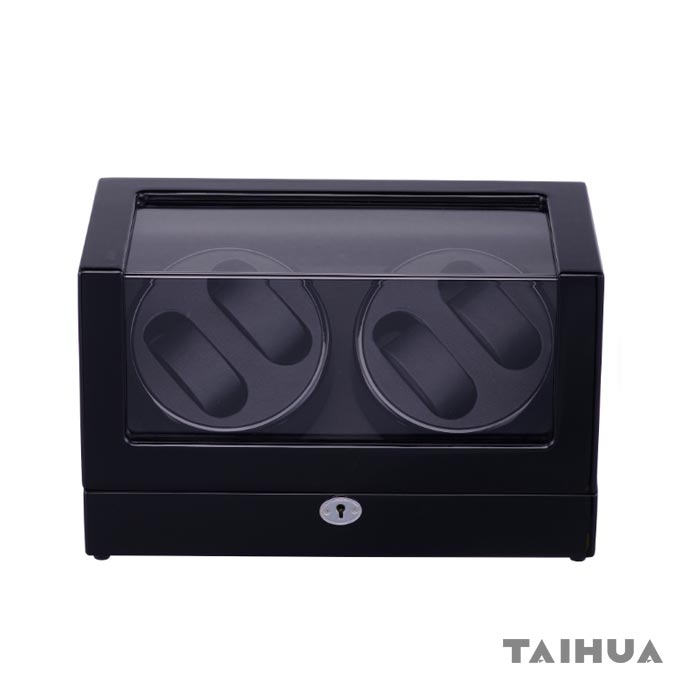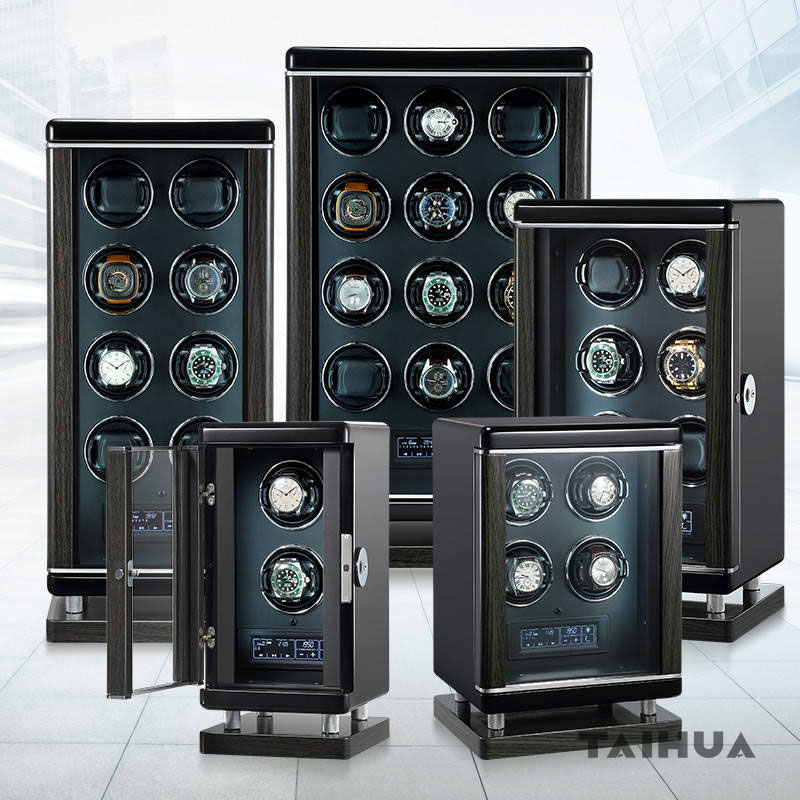
If you own an automatic watch, a watch winder keeps it running when it's not on your wrist — but only if it's set correctly. The most important setting to understand is TPD: Turns Per Day. Get this right, and your watch stays wound, accurate, and protected. Get it wrong, and you're either wasting the device or slowly wearing out your movement.
Here's everything you need to know, explained simply.
What Is TPD (Turns Per Day)?
TPD stands for Turns Per Day — the total number of rotations a watch winder completes in a 24-hour period. This is the single most critical spec when choosing or configuring a winder.
Automatic watches are powered by a rotor inside the movement that spins as your wrist moves, winding the mainspring. A watch winder mimics that motion. Too few rotations and the watch won't stay fully wound. Too many, and you stress the automatic clutch mechanism unnecessarily.
Most automatic watches require between 500 and 1,000 TPD. The exact number depends on the brand and movement.
Recommended TPD by Brand
| Brand | Recommended TPD | Direction |
|---|---|---|
| Rolex (Perpetual movement) | 650 – 950 | Clockwise only |
| Omega (Co-Axial) | 650 – 800 | Bidirectional |
| Patek Philippe | 800 – 1,000 | Bidirectional |
| Audemars Piguet | 650 – 800 | Bidirectional |
| Jaeger-LeCoultre | 500 – 650 | Bidirectional |
| Cartier | 600 – 800 | Bidirectional |
| TAG Heuer | 600 – 800 | Bidirectional |
| Seiko (automatic) | 500 – 700 | Bidirectional |
Always check your watch's instruction manual for the manufacturer's official recommendation.
Rotation Direction: Clockwise, Counter-Clockwise, or Bidirectional?
TPD is only half the equation. The direction of rotation matters just as much, because a watch can only wind when the rotor spins the right way.
Clockwise (CW)
Used by Rolex and many other major brands. The movement only winds in one direction, so setting the winder incorrectly means the watch receives zero winding — even if the TPD is correct.
Counter-Clockwise (CCW)
Required by a small number of movements, including some vintage Patek Philippe calibers. Always verify before assuming clockwise.
Bidirectional (BI) — Recommended Default
The winder alternates between clockwise and counter-clockwise. This is compatible with the vast majority of automatic movements, winds more efficiently, and is the safest choice when you're unsure of your movement's requirements.
Not sure which direction your watch needs? Choose bidirectional. It works for almost everything.
Does the Winder Run 24 Hours Straight?
No — and it shouldn't. A quality watch winder operates in cycles: rotate for a period, then rest. A common pattern is 30 minutes on, 60 minutes off. This mimics how a watch is actually worn throughout the day and prevents the mainspring from being held at maximum tension for extended periods.
Winders that spin continuously without rest are not protecting your watch — they're overworking it.
Can Over-Winding Damage Your Watch?
Modern automatic movements include a slip clutch — a safety mechanism that disengages once the mainspring is fully wound, preventing over-tension. So technically, the mainspring itself won't break from excess winding.
However, the slip clutch itself is a mechanical component. Keeping it engaged under constant friction for hours every day causes gradual wear to the clutch, gears, and automatic works. Setting an unnecessarily high TPD won't improve timekeeping — it will shorten the service interval of your movement.
The rule: start at the lower end of the recommended TPD range. Only increase if your watch is losing power reserve.
How to Find the Right Settings for Your Watch
- Check the instruction manual. Every watch comes with documentation that includes winding requirements. This is the most reliable source.
- Contact the manufacturer or authorized dealer. If you've lost the manual, brand service centers can provide official specs.
- Use the TPD table above as a starting guide. For most watches from mainstream brands, the ranges listed will keep your timepiece wound and healthy.
- When in doubt, use bidirectional at 650–800 TPD. This is a safe, universally compatible default for most automatic movements.
Common Watch Winder Mistakes to Avoid
Setting TPD too high
Higher is not better. Excess rotation puts unnecessary stress on the clutch mechanism and delivers no benefit in timekeeping accuracy or power reserve.
Using the wrong rotation direction
A winder turning the wrong way provides zero winding. The watch will run down just as if it were sitting in a drawer. Always confirm the correct direction for your specific movement.
Applying the same settings to every watch
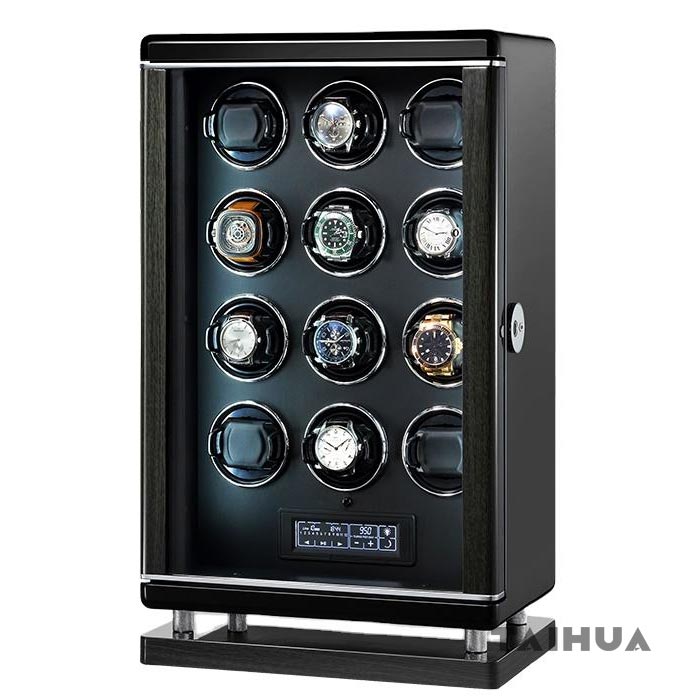
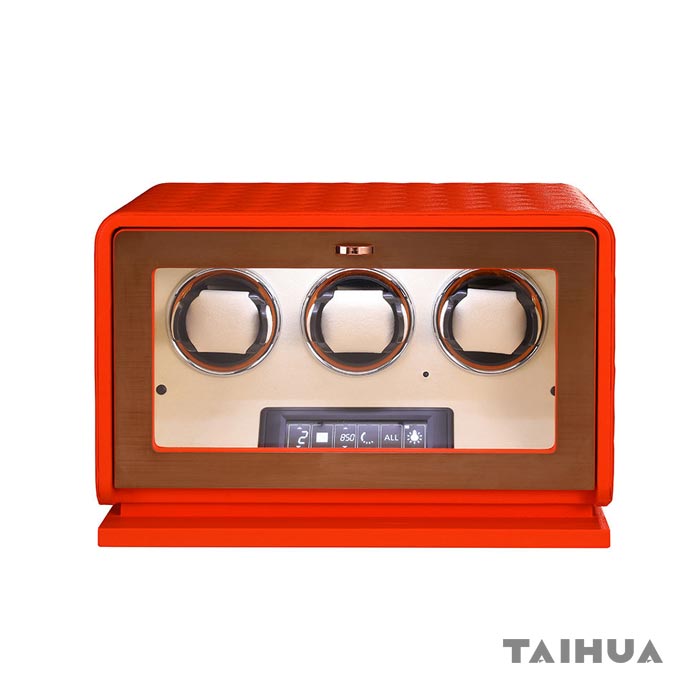
If you own a multi-watch winder, configure each slot individually. A Rolex and a Jaeger-LeCoultre have different requirements — treating them the same is a false economy.
Assuming "non-stop" is better
Rest cycles are a feature, not a flaw. A winder that allows rest periods is better engineered than one that spins around the clock.
Quick Reference Summary
- TPD range for most watches: 500 – 1,000 turns per day
- Safe universal default: 650 – 800 TPD, bidirectional
- Direction: Clockwise for Rolex; bidirectional for most others
- Operation style: Cycled (rotate + rest), not continuous
- Over-winding risk: Low for the mainspring, but real for the clutch over time
- Best source for specs: Your watch's official instruction manual
A watch winder is a worthwhile investment for any serious collector — but only when configured correctly. Take five minutes to look up your movement's requirements, dial in the right TPD and direction, and your watches will stay wound, accurate, and ready to wear whenever you reach for them.
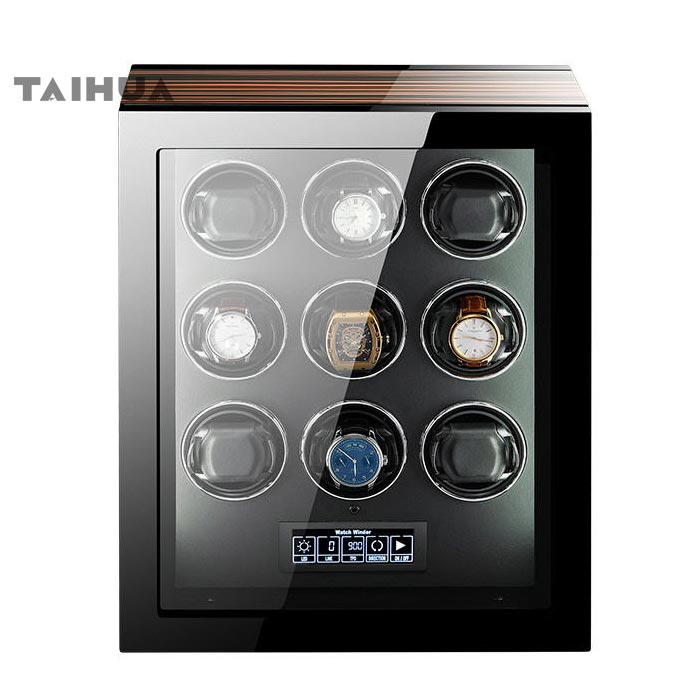
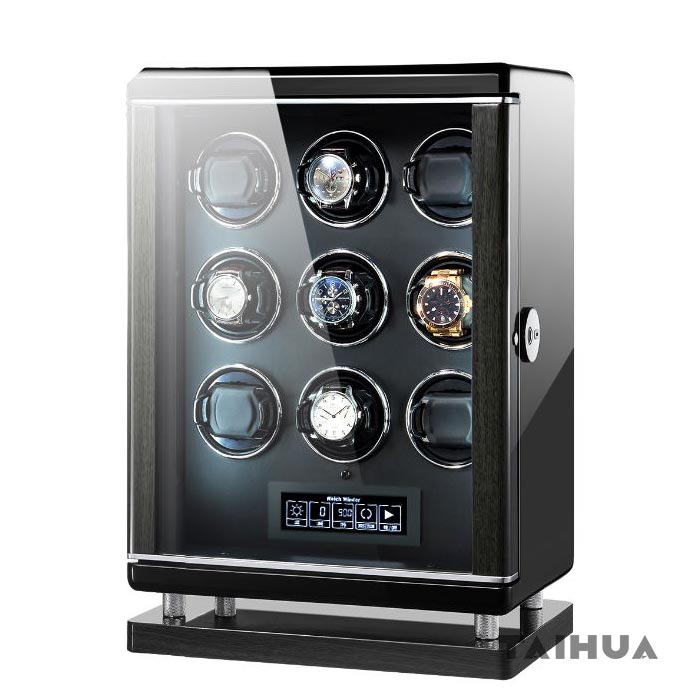
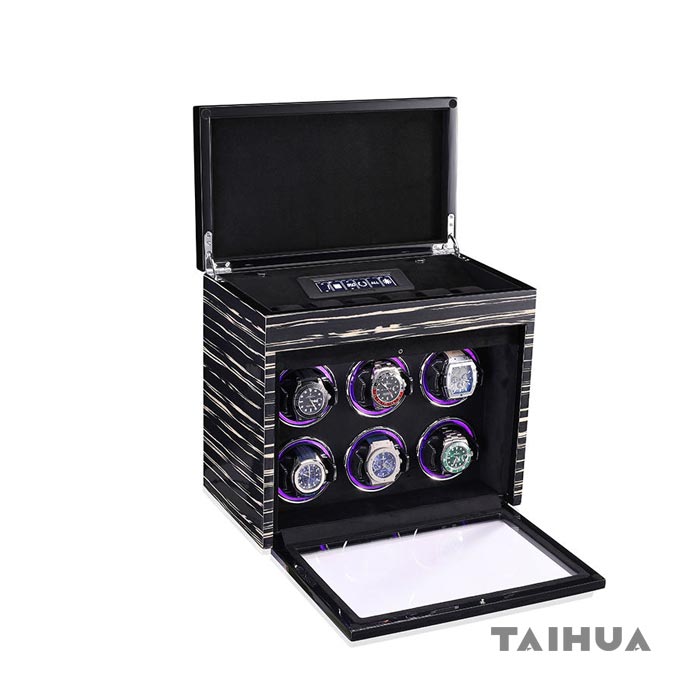
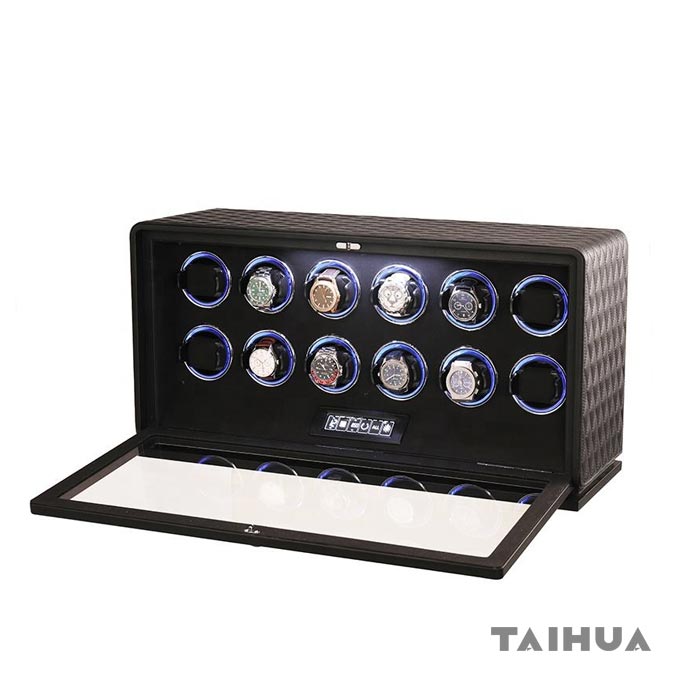
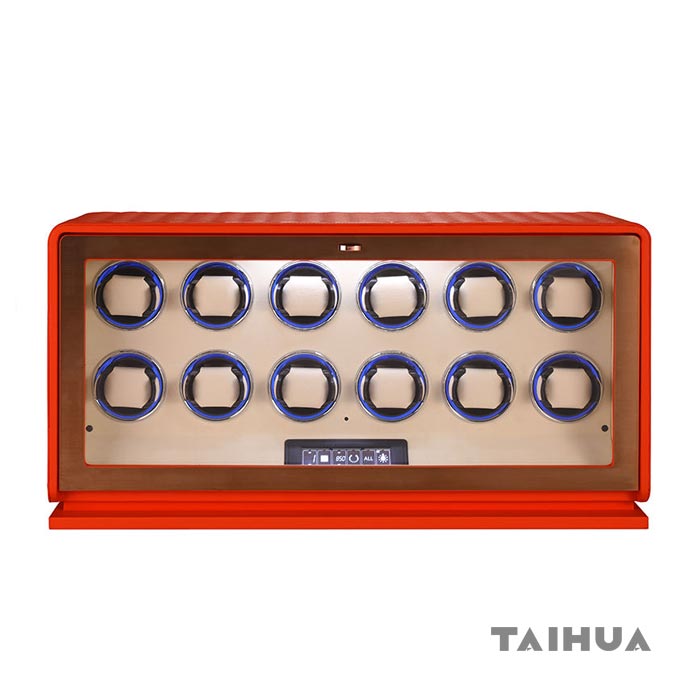
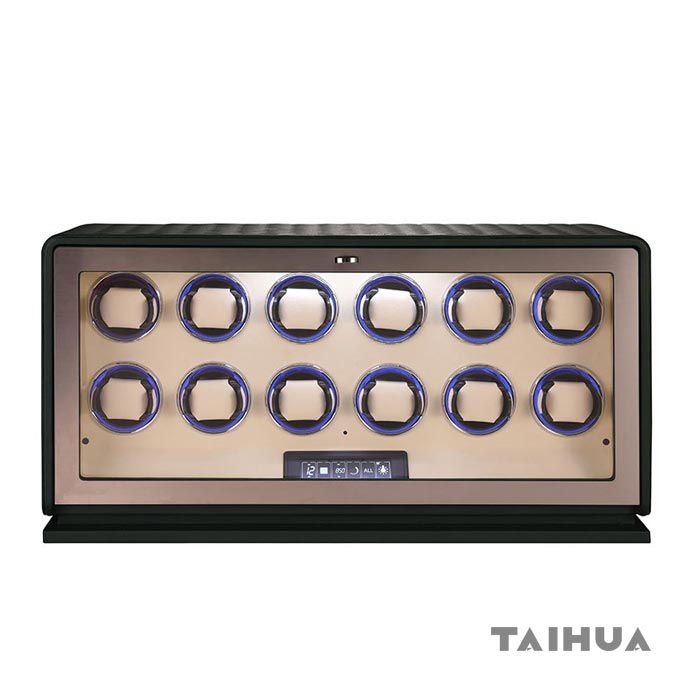
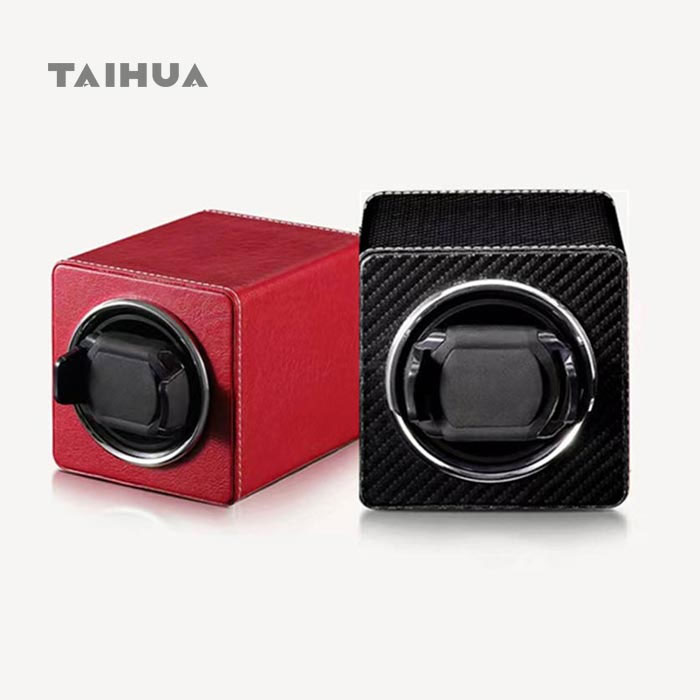
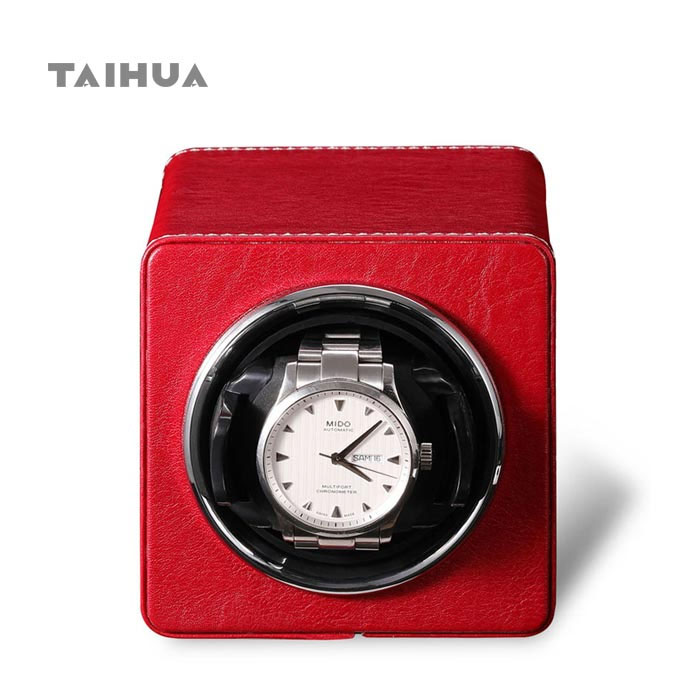
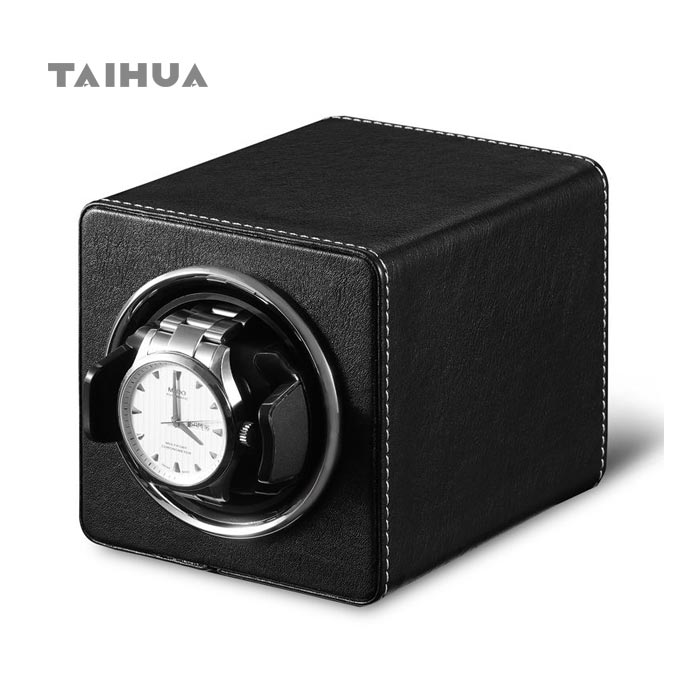
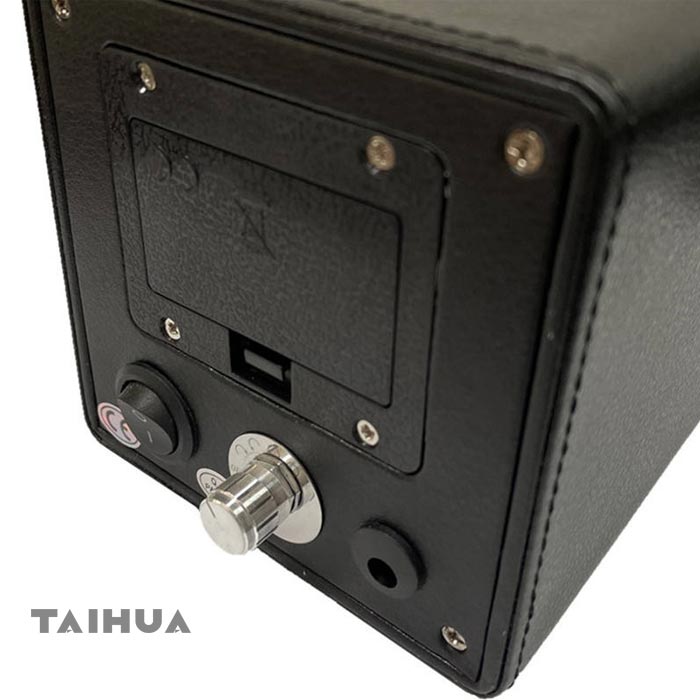
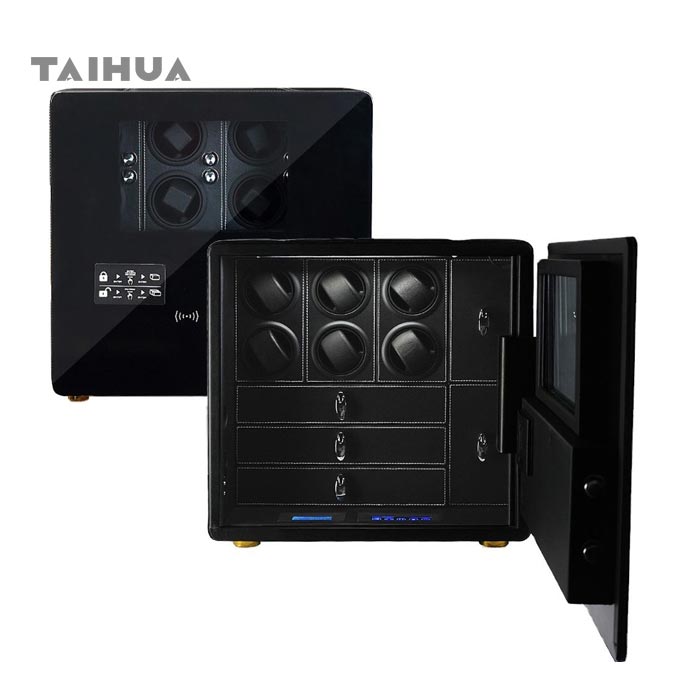
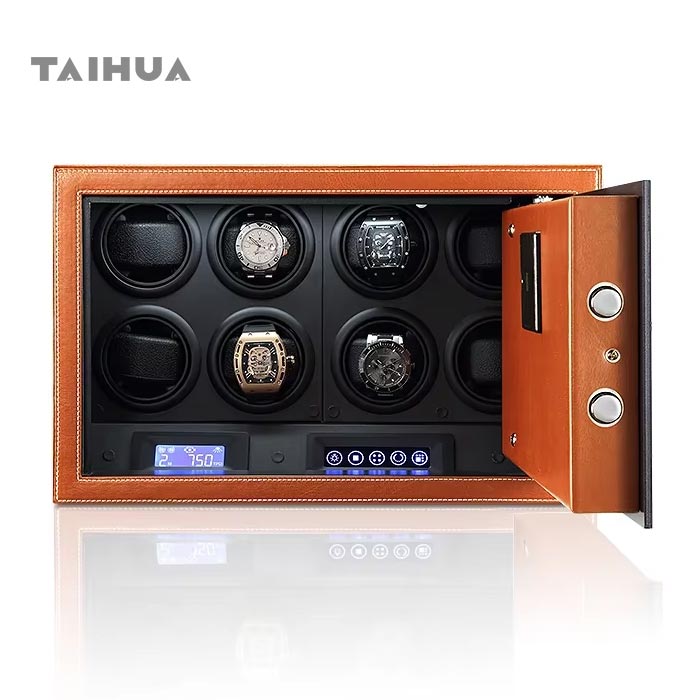
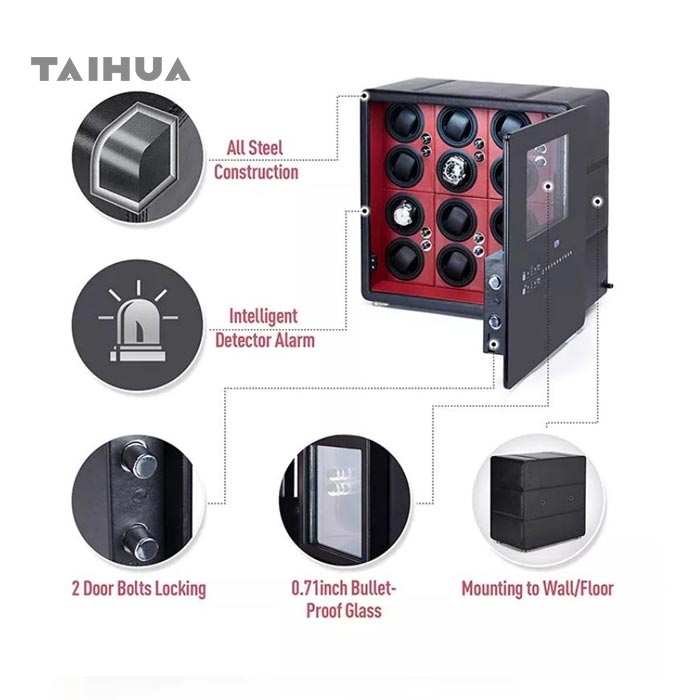
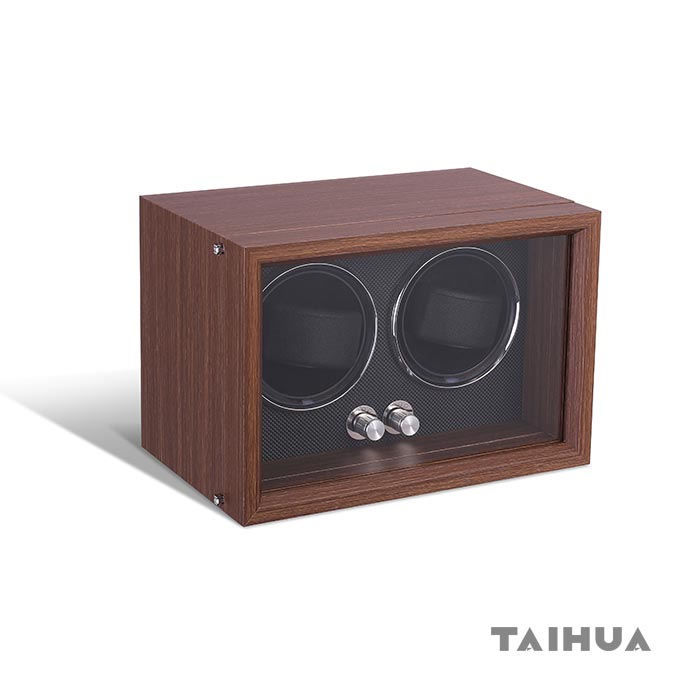
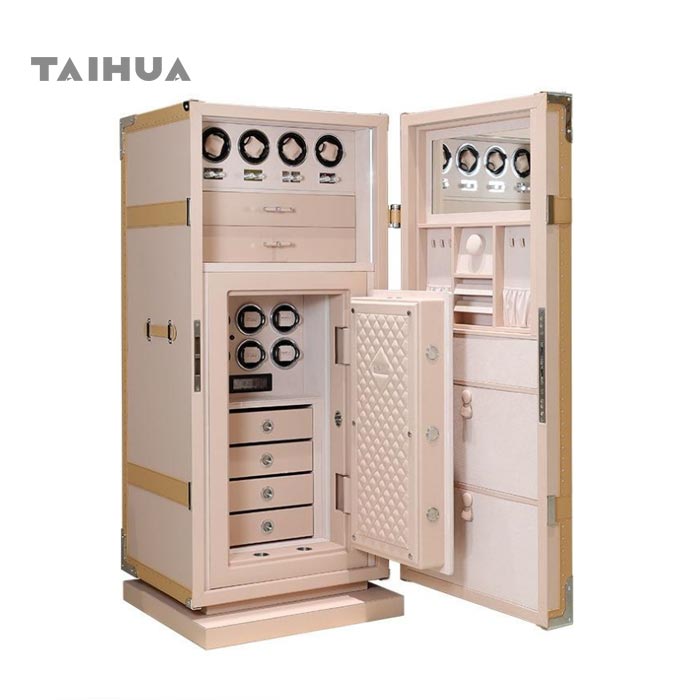
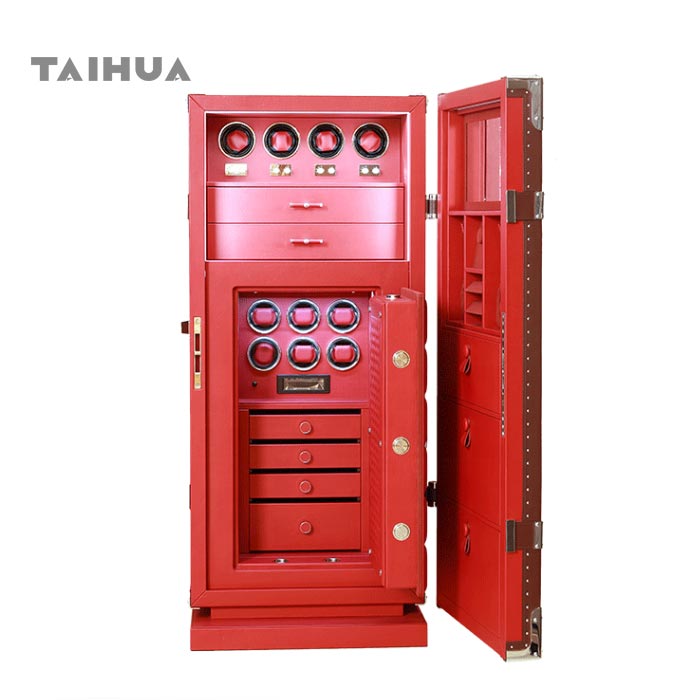
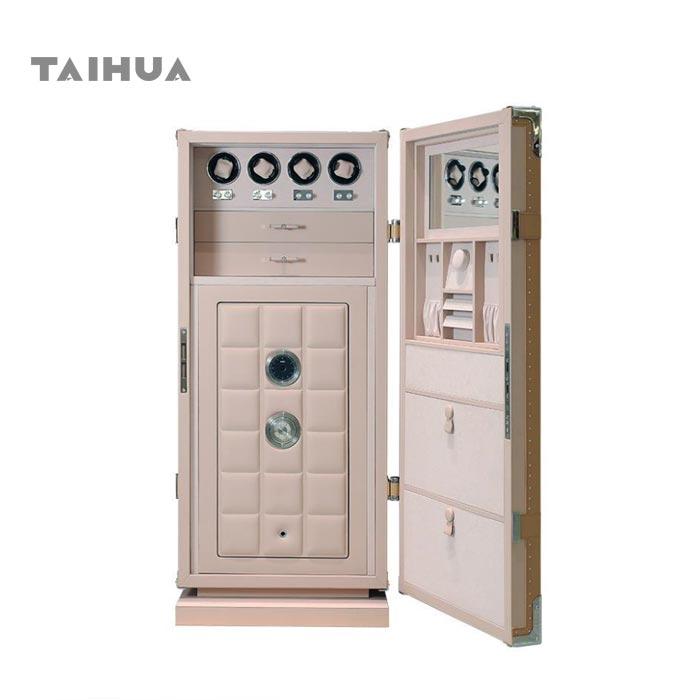
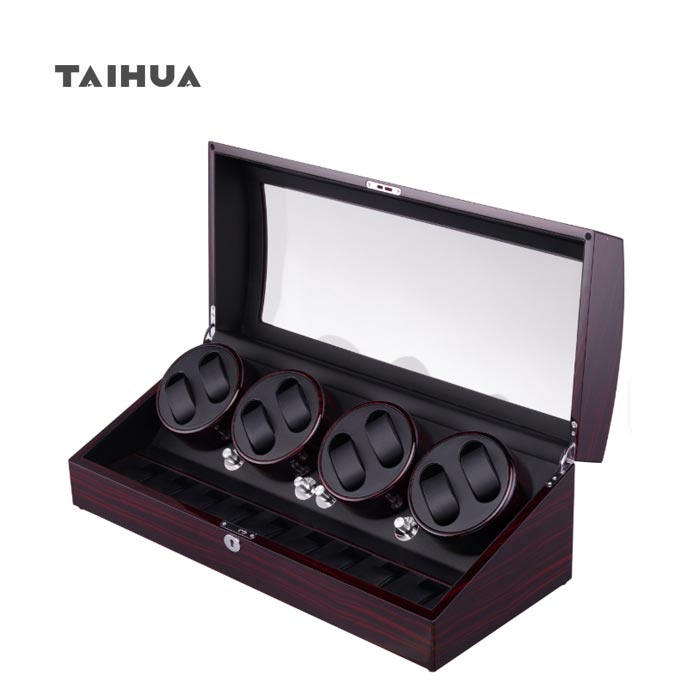
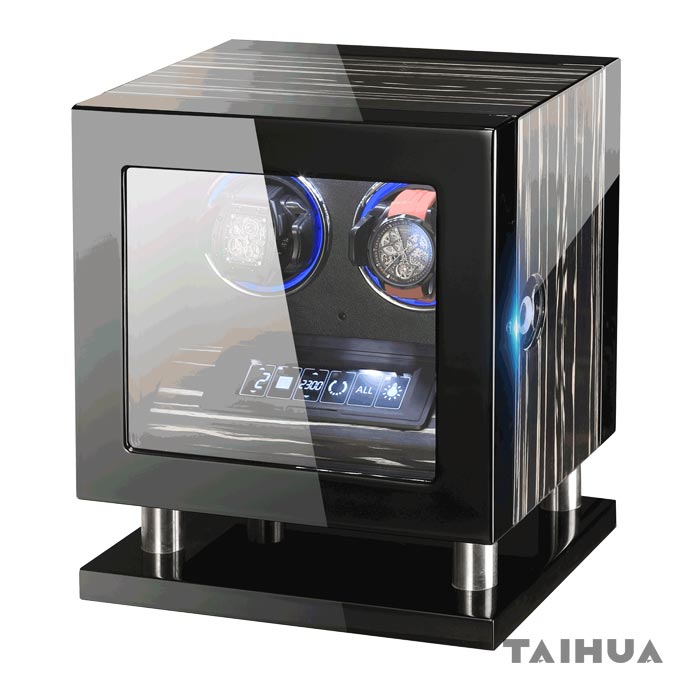
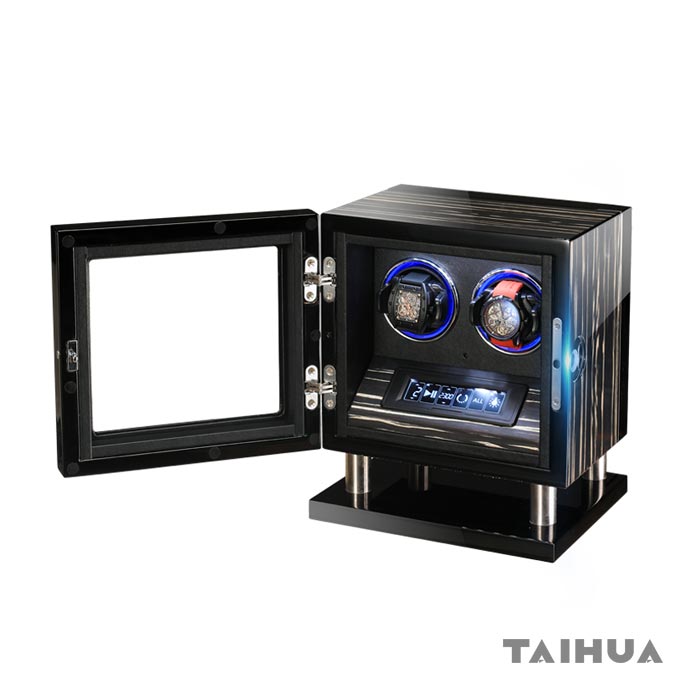
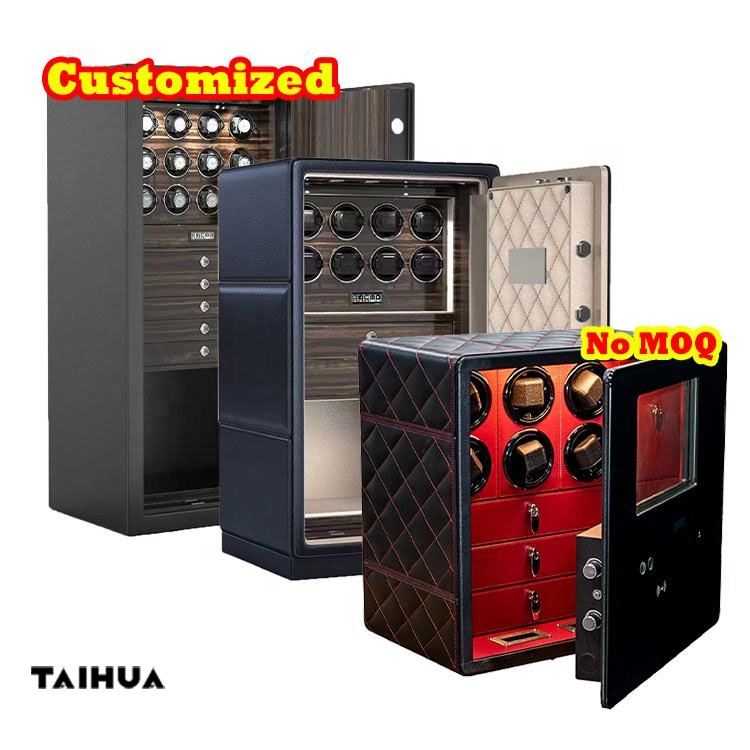
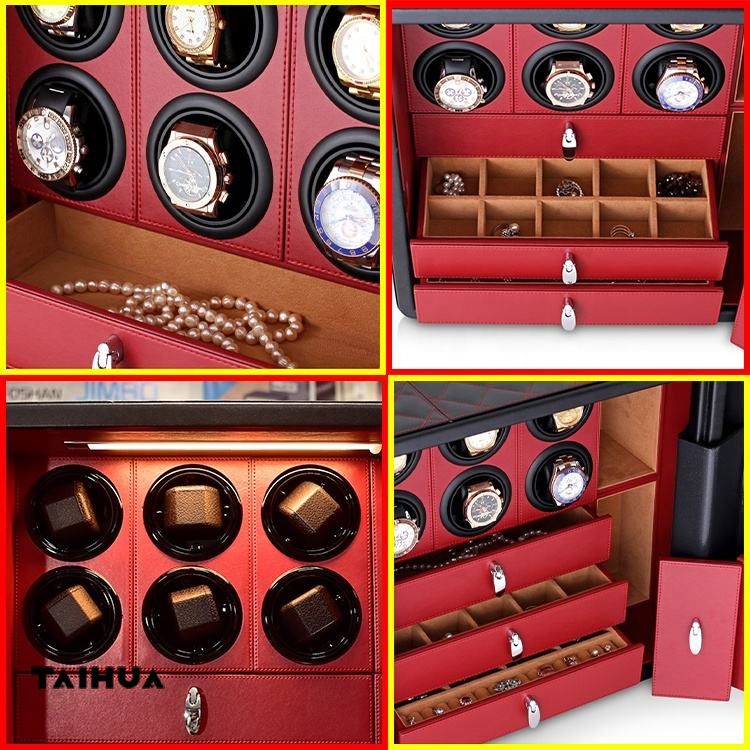
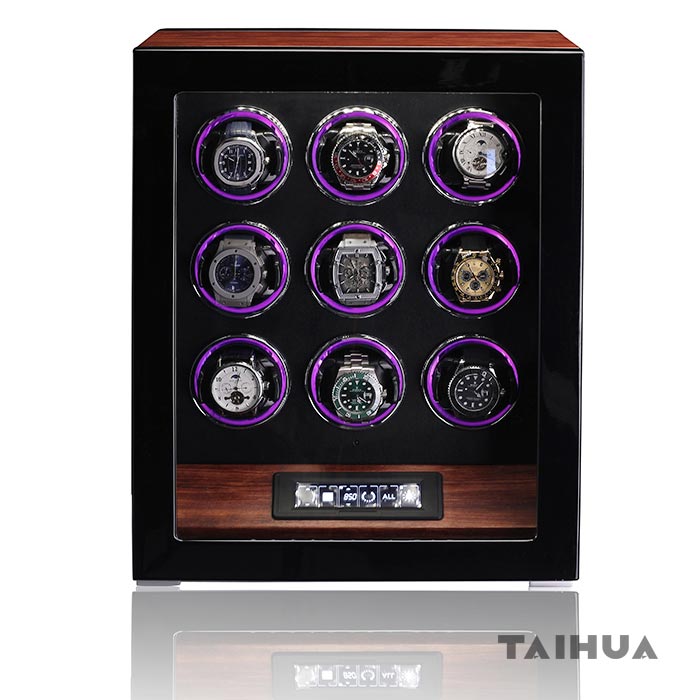
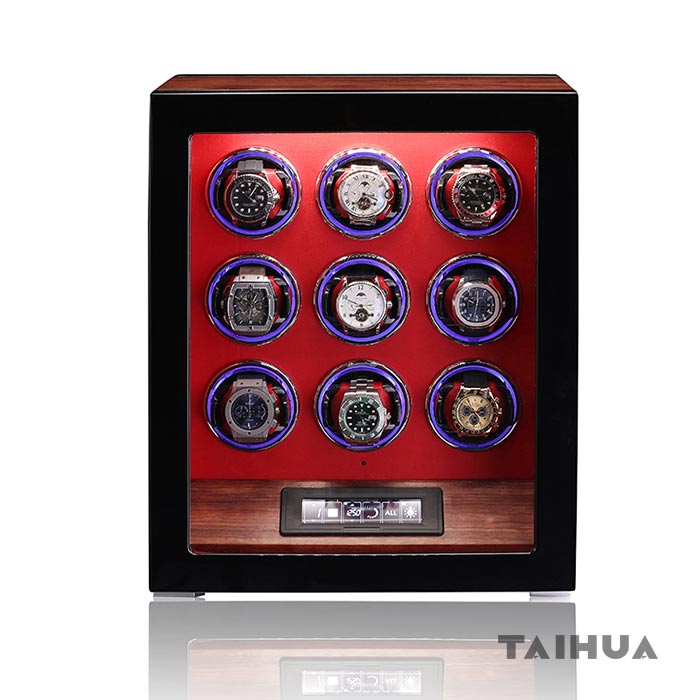
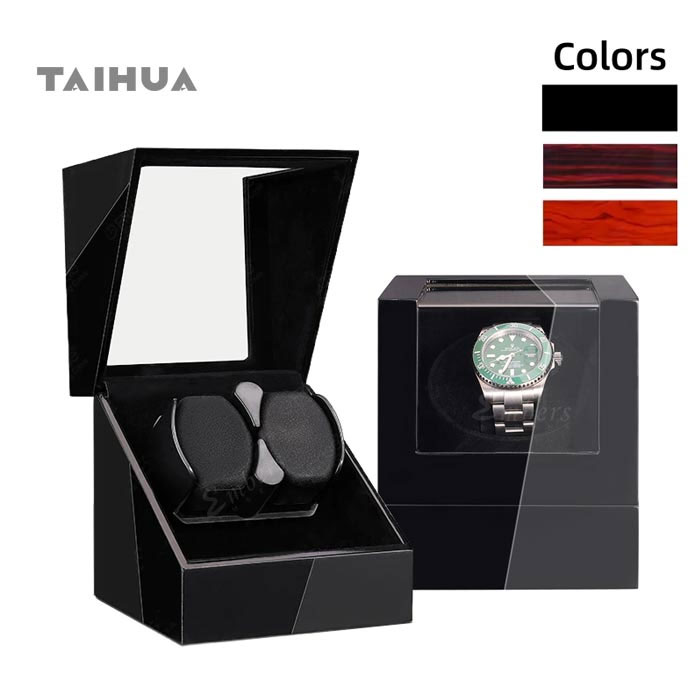
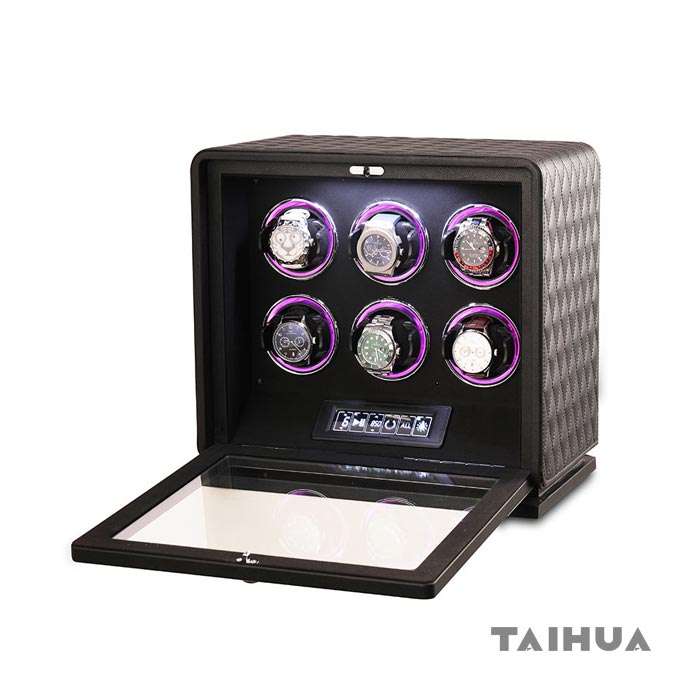
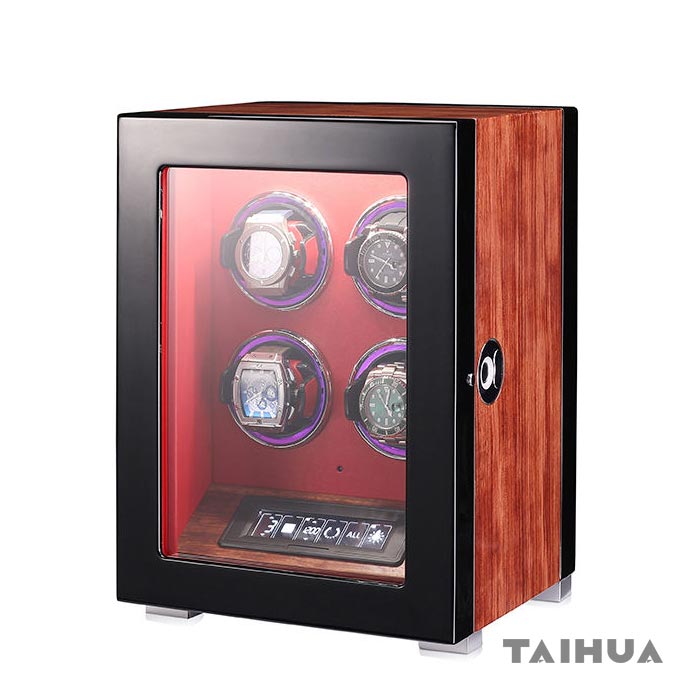
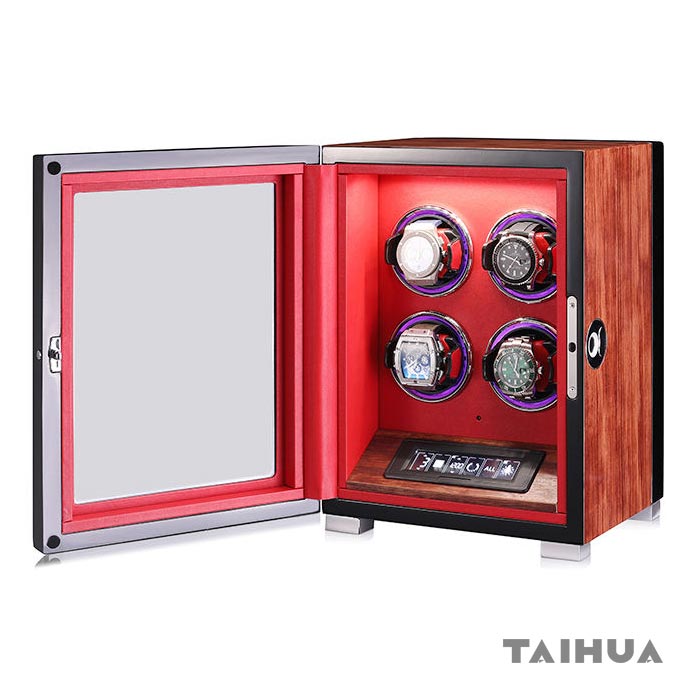
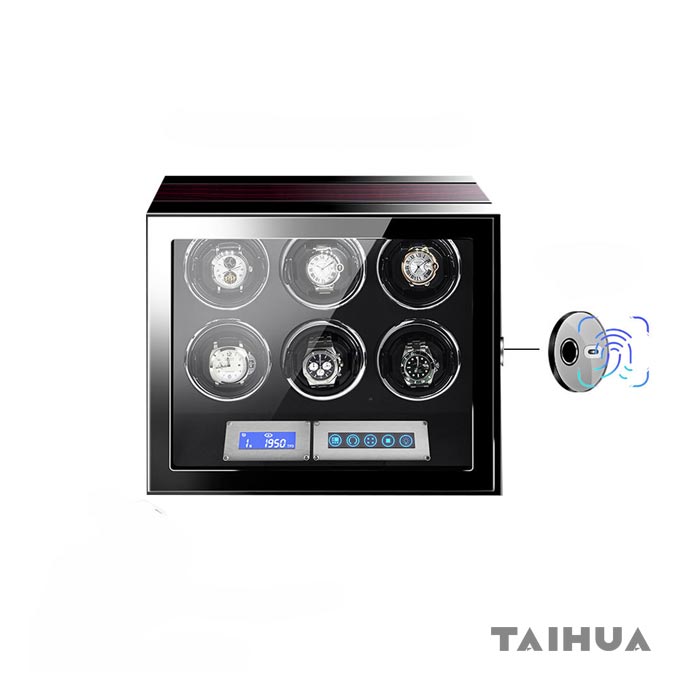
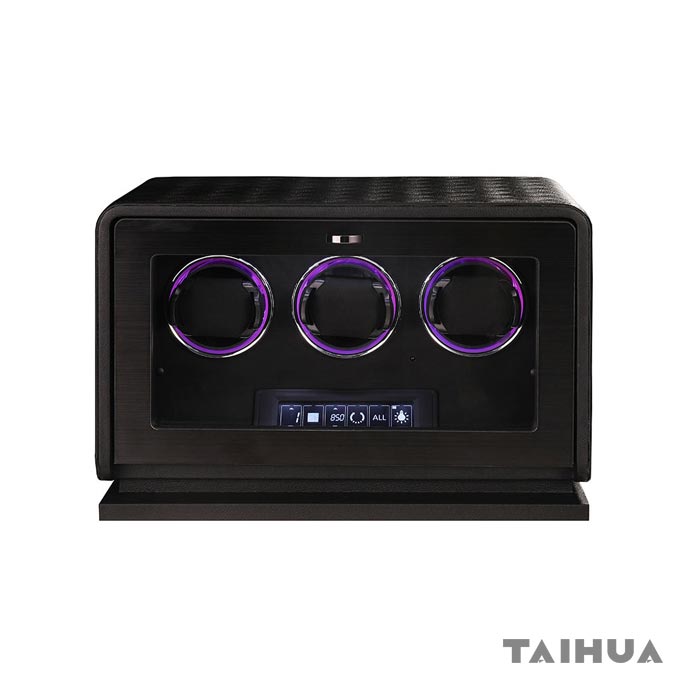
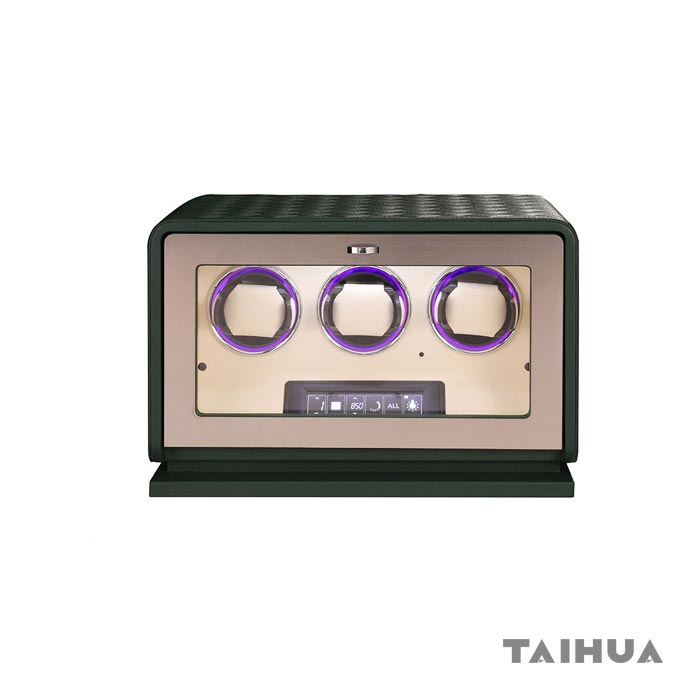
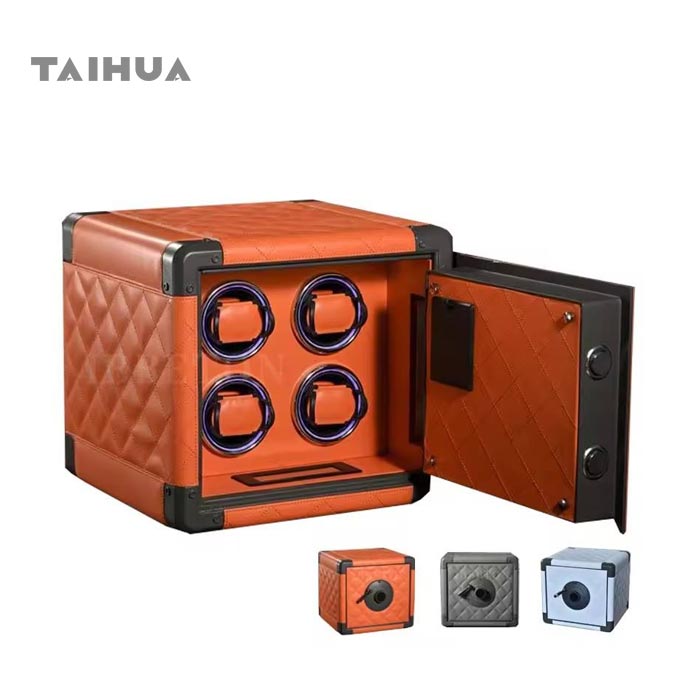
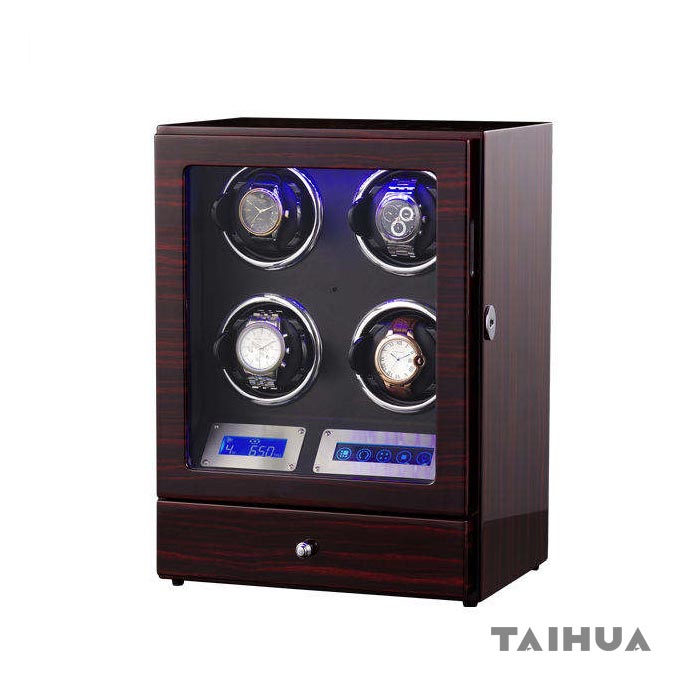
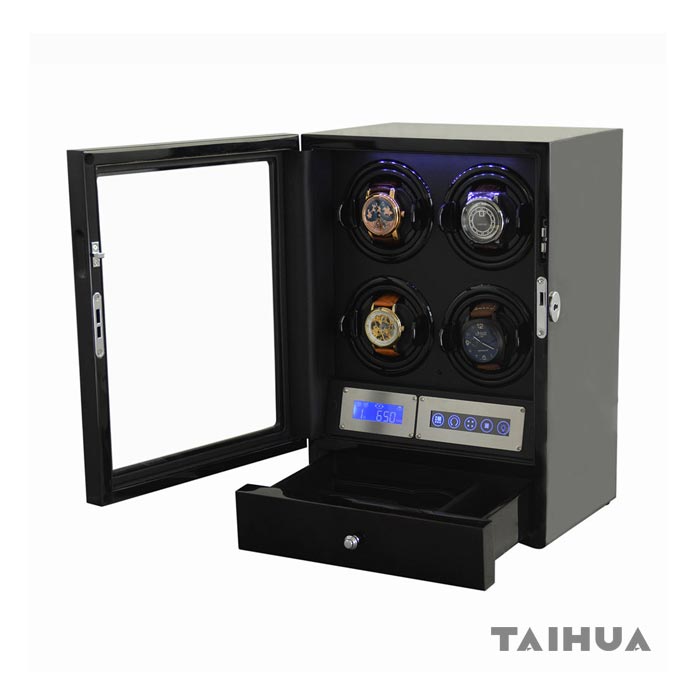
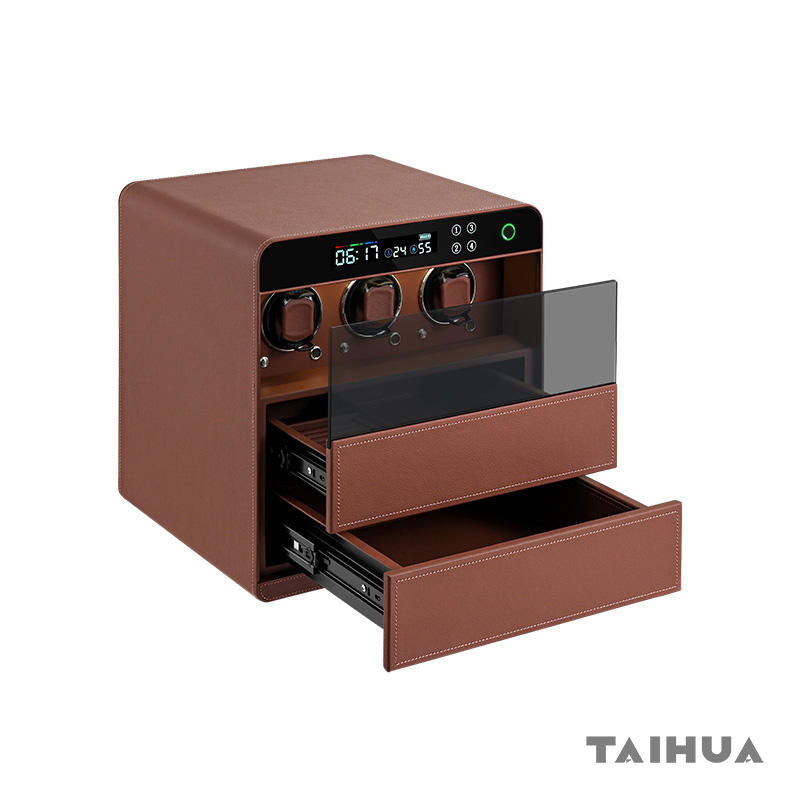
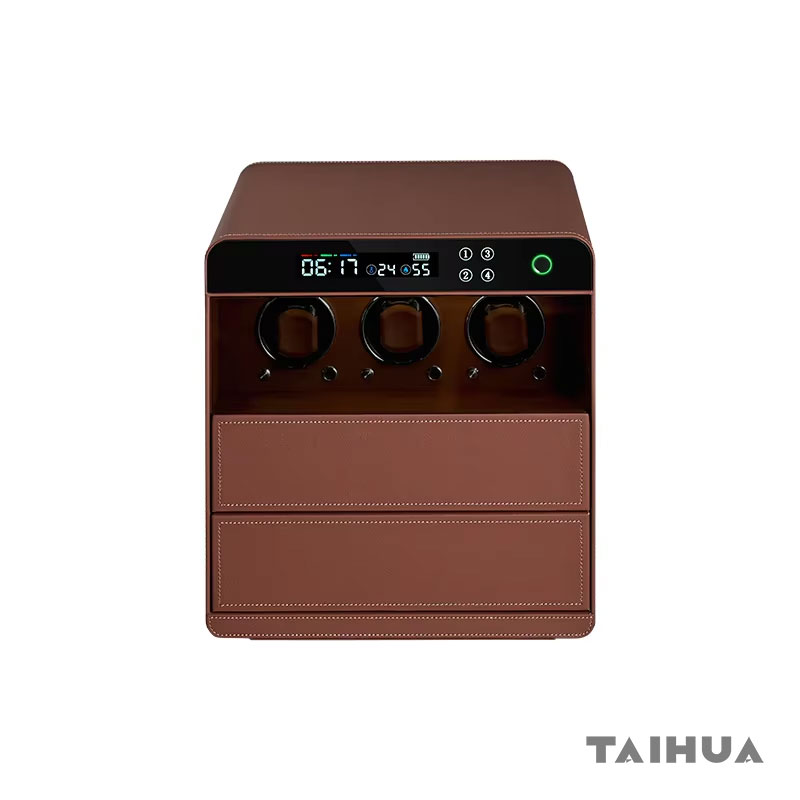
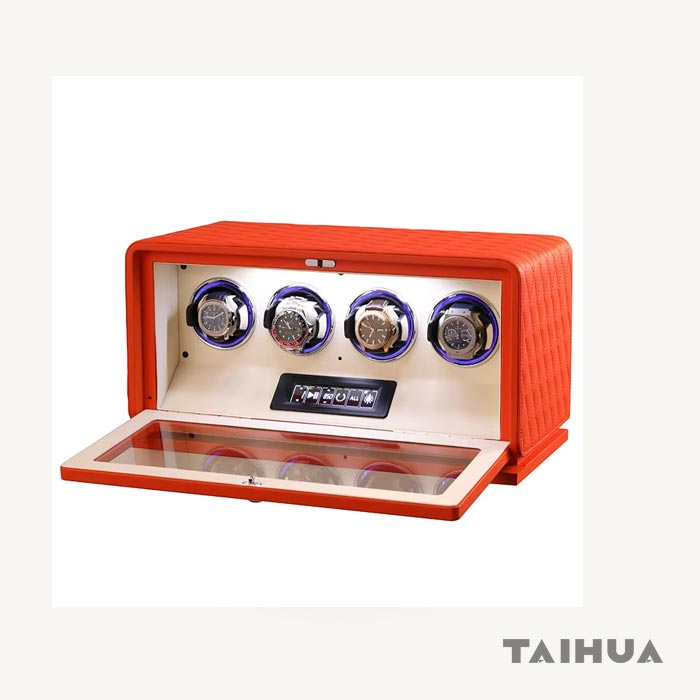
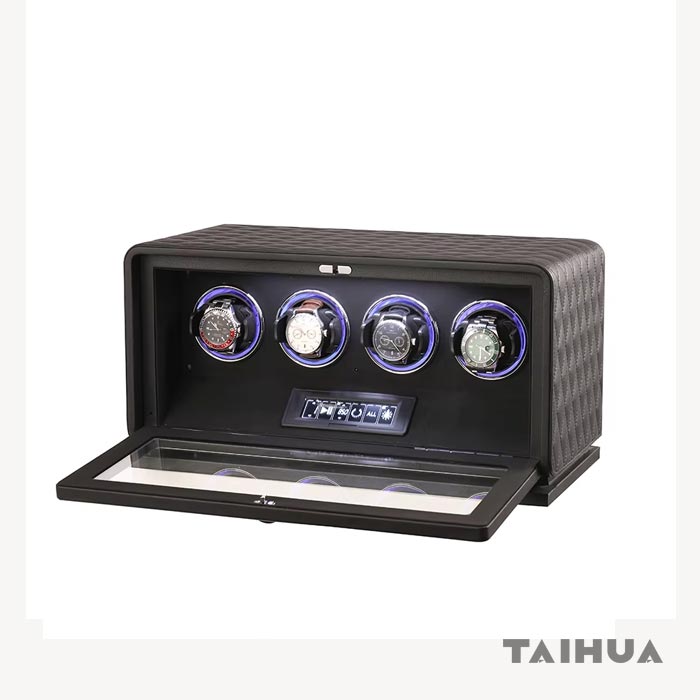
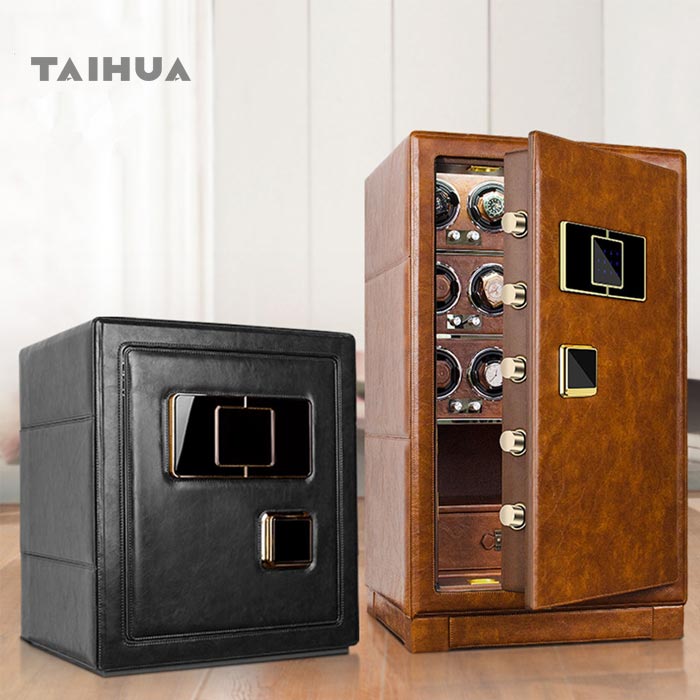
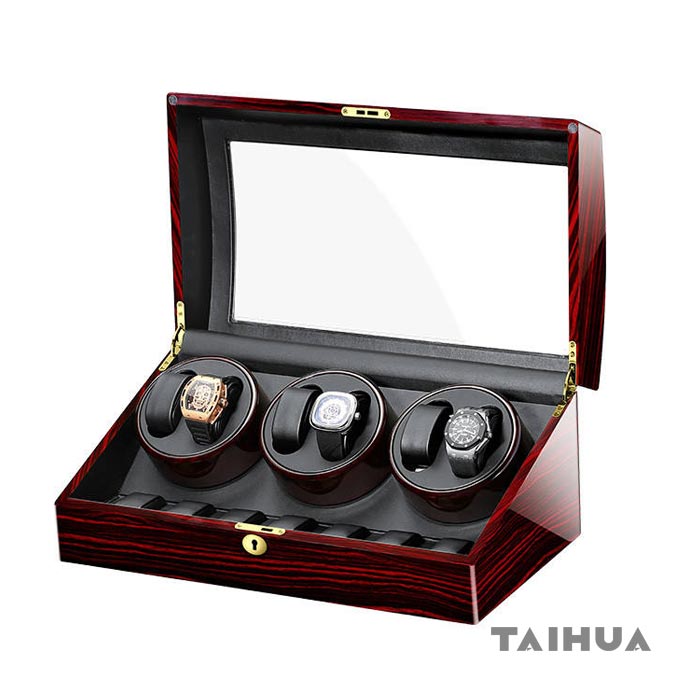
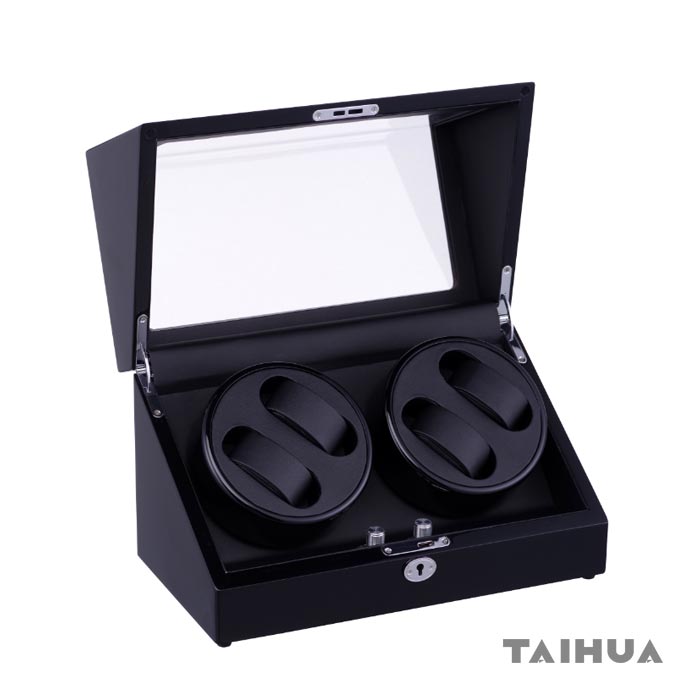
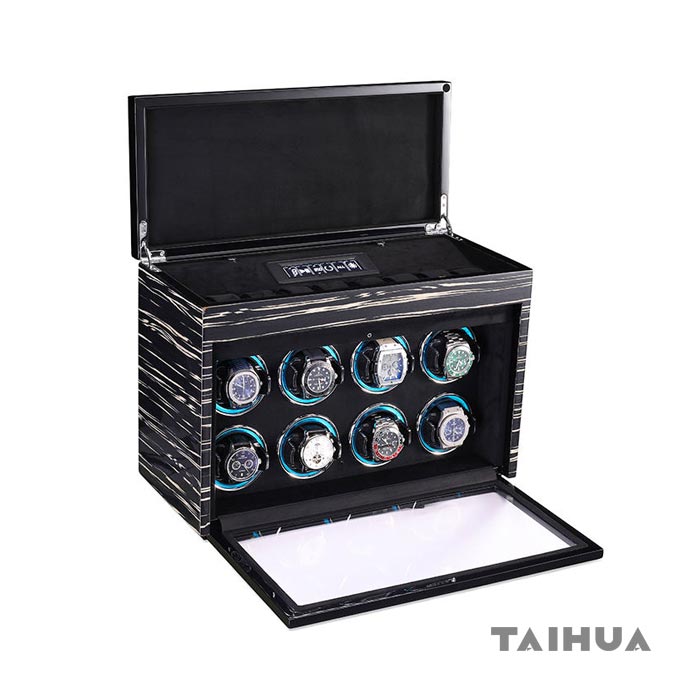
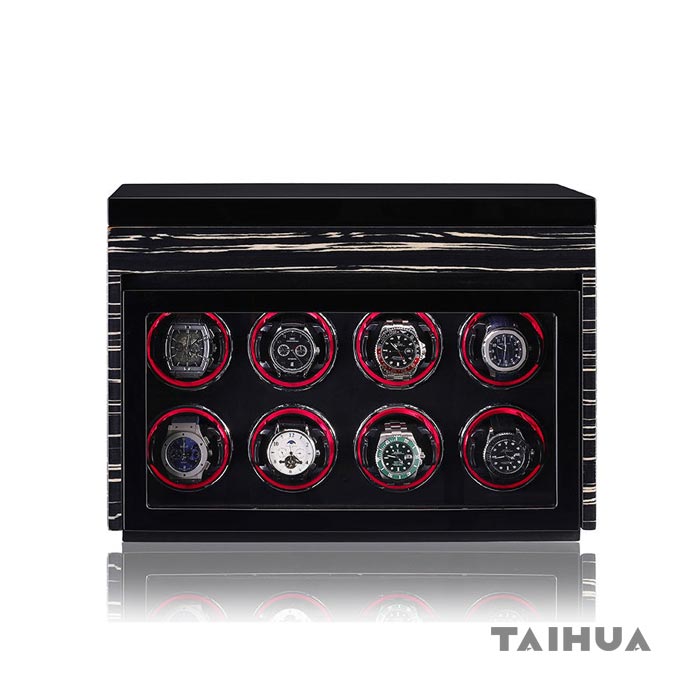
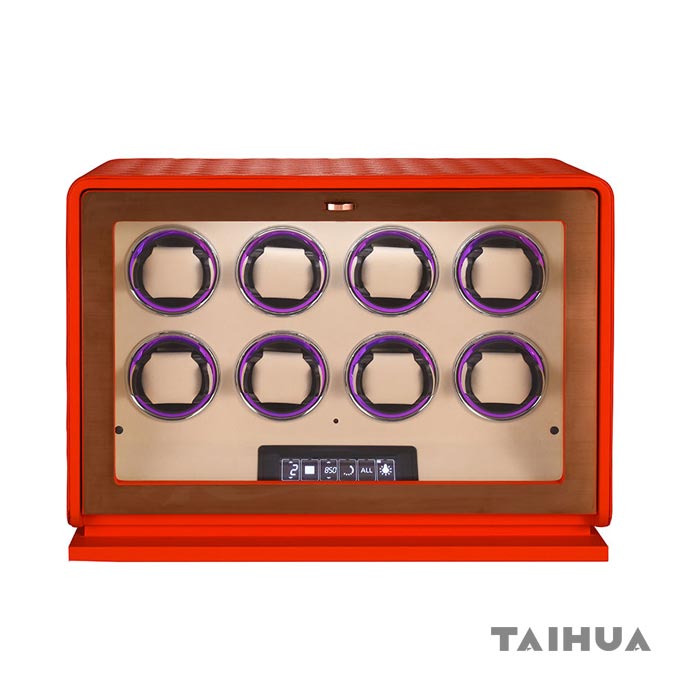
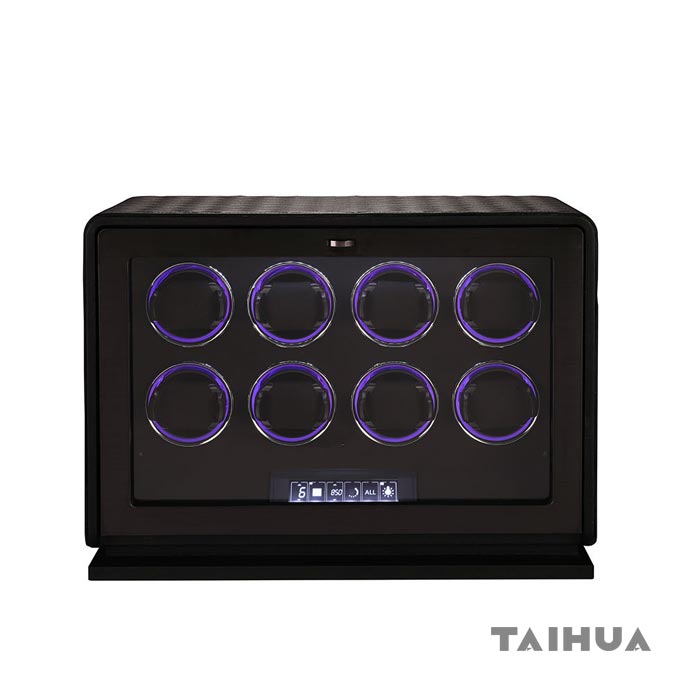
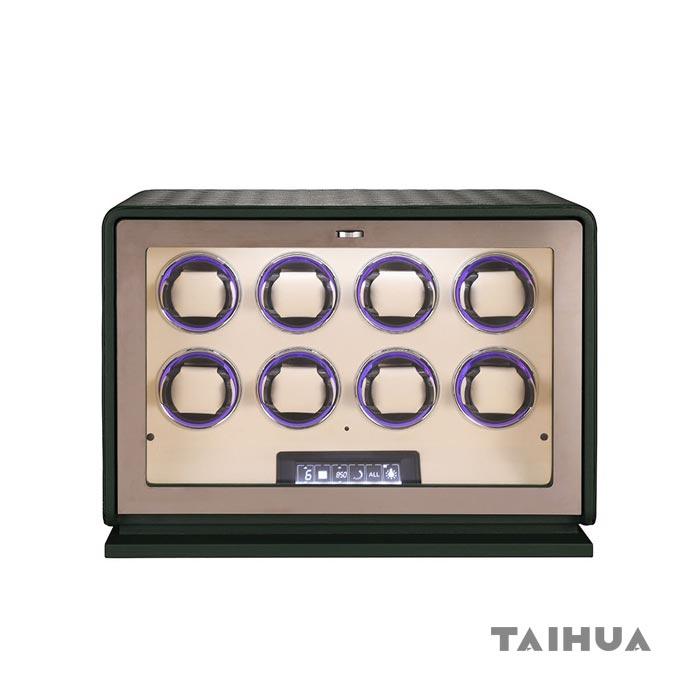
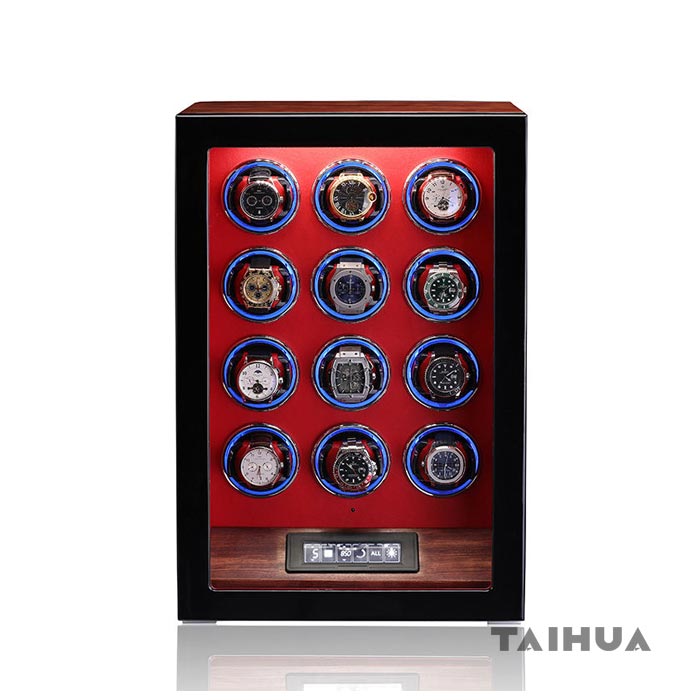
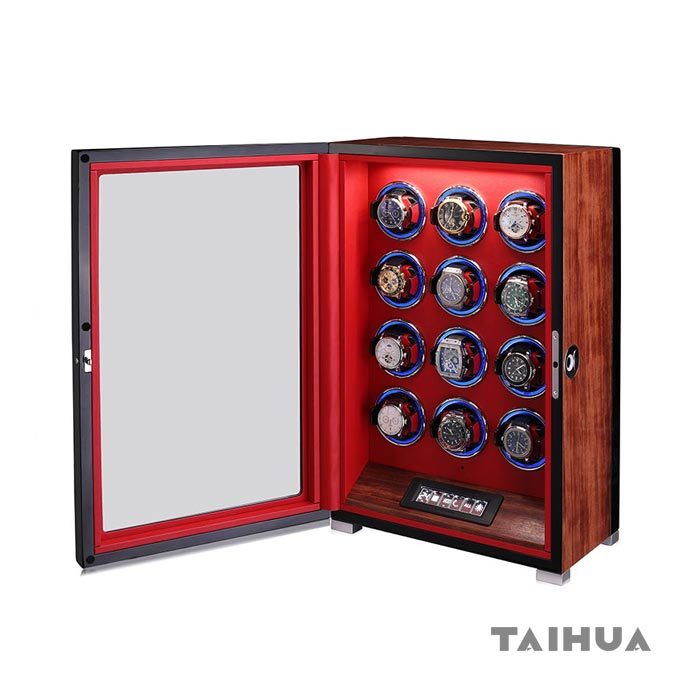
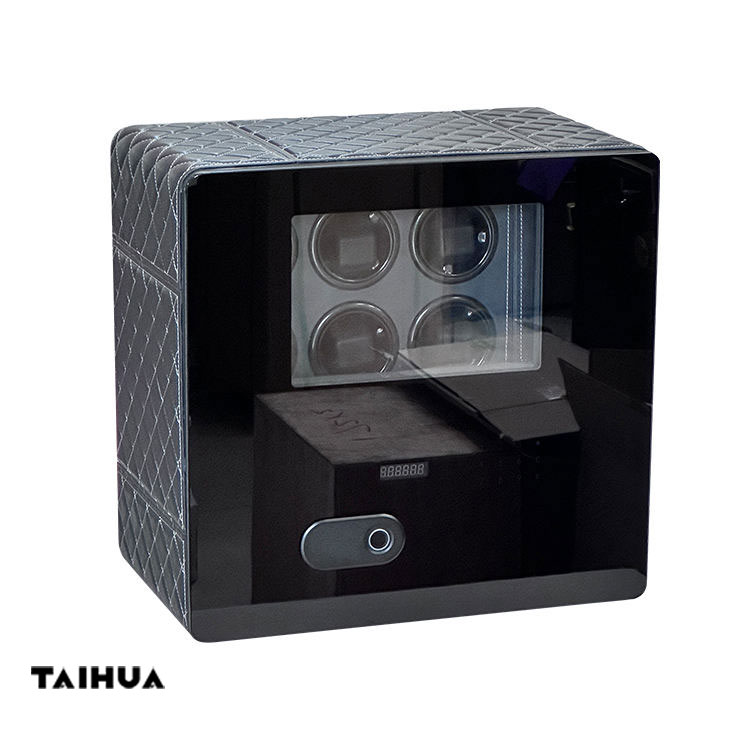
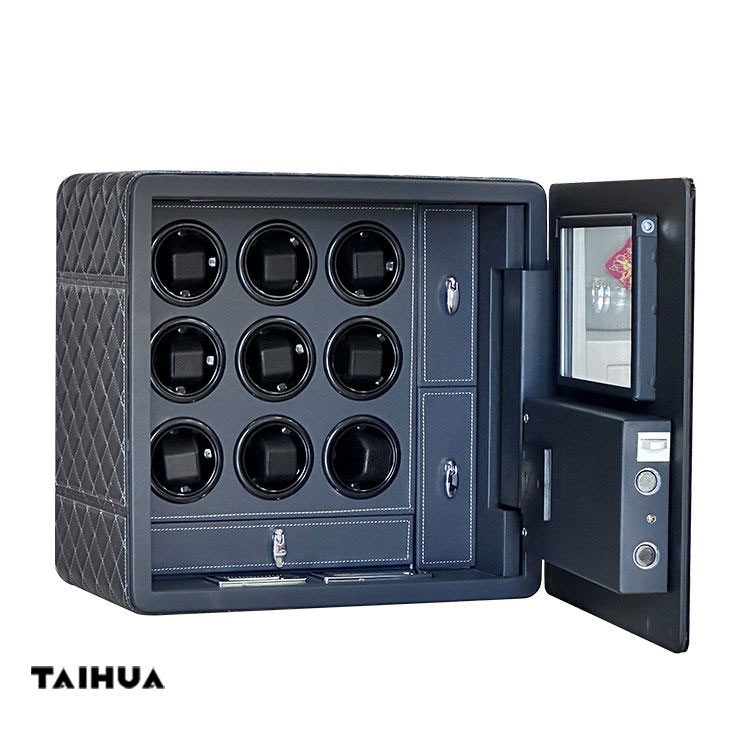
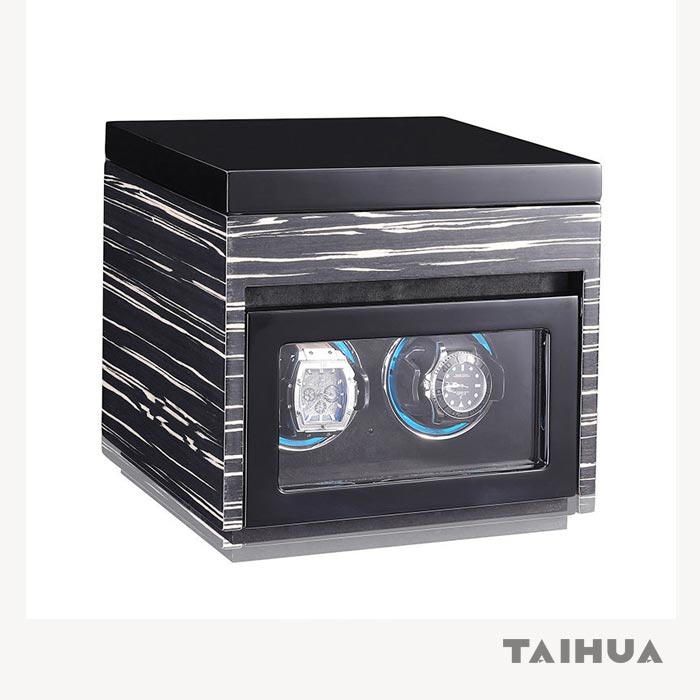
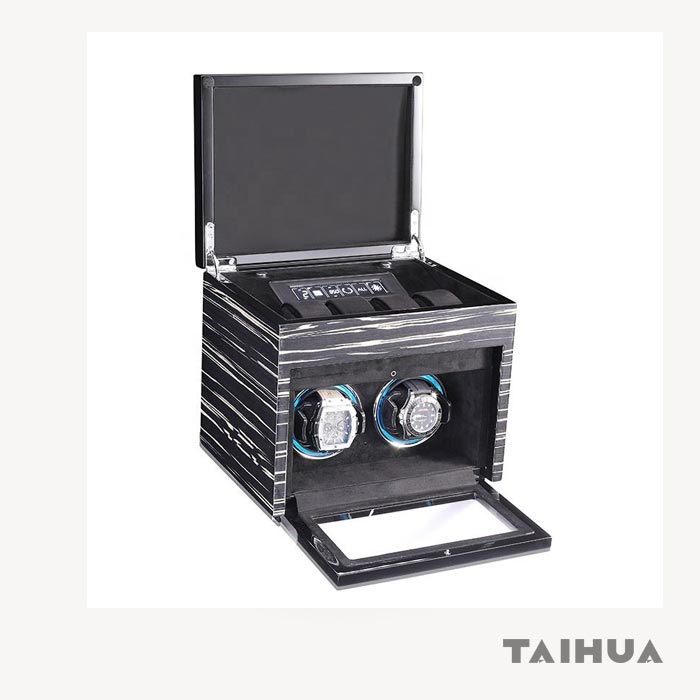
TAIHUA watch winders are built for collectors who take their timepieces seriously. With adjustable TPD, selectable rotation direction, and quiet precision motors, setup takes seconds — and protection lasts a lifetime. [View TAIHUA Watch Winders →]