The heart of every automatic watch
The Rotor & How It Works
No battery. No manual winding. The rotor is a weighted half-disc that converts the random motions of your wrist into stored mechanical energy — continuously, silently, for the life of the watch.
01 — Principle
Gravity is the engine
The rotor is a weighted half-disc — typically machined from tungsten or an 18-karat gold alloy — mounted on a precision bearing at the exact centre of the movement. Because it is only a half-disc, one side is considerably heavier than the other.
That imbalance is the entire mechanism. The heavy side perpetually seeks the lowest point. Every tilt of your wrist, every step you take — gravity responds by rotating the heavy side downward, and the rotor spins around its bearing.
02 — Mechanism
From motion to stored energy
The rotor's rotation is fed into a compact gear train connecting to the mainspring barrel. The gears slow the rotation down to a rate the spring can absorb, and a ratchet mechanism ensures that winding force is transmitted regardless of spin direction.
On bidirectional movements (most modern calibres), both clockwise and counter-clockwise rotation wind the spring. On unidirectional movements, only one direction winds — the other freewheels harmlessly.
Step 01
Wrist moves
Any tilt or rotation shifts the watch's orientation relative to gravity.
Step 02
Rotor swings
The heavy half-disc follows gravity, spinning continuously around its pivot bearing.
Step 03
Spring winds
Gear train converts rotor rotation into mainspring tension — energy stored as coiled metal.
"The most elegant engine is the one you never have to think about."
Traditional watchmaking principle03 — Safety
The slipping clutch
Can the rotor over-wind the spring? No. Every modern automatic movement houses a slipping clutch inside the barrel — a friction mechanism that disengages once the spring reaches full tension. The rotor continues turning freely, transmitting no further force. The spring physically cannot be over-wound.
04 — Reference
Key parameters
| Rotor material | Tungsten, 18k gold alloy, or platinum. Heavier material generates more winding force from less wrist movement. |
| Winding direction | Bidirectional (most calibres) or unidirectional. Always verify per brand before setting a watch winder. |
| Daily wear | Typically 8+ hours of normal activity fully sustains a 40–50 hour power reserve. |
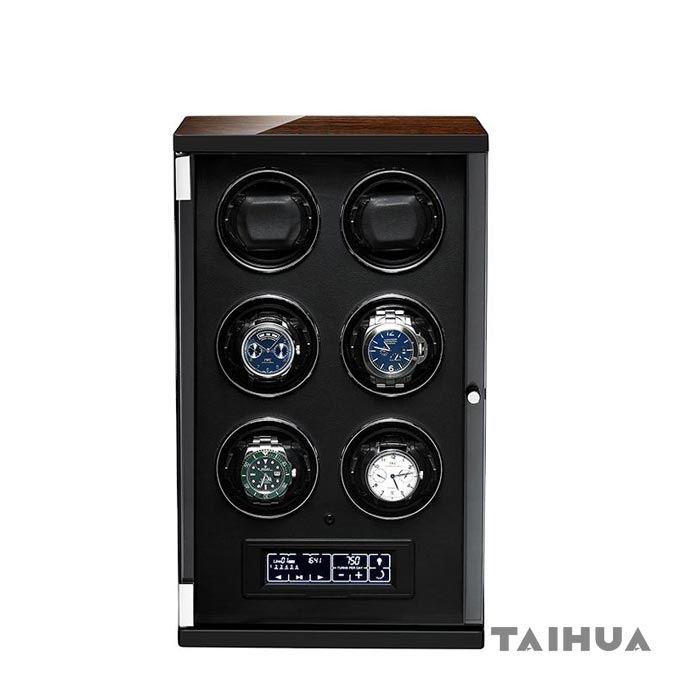
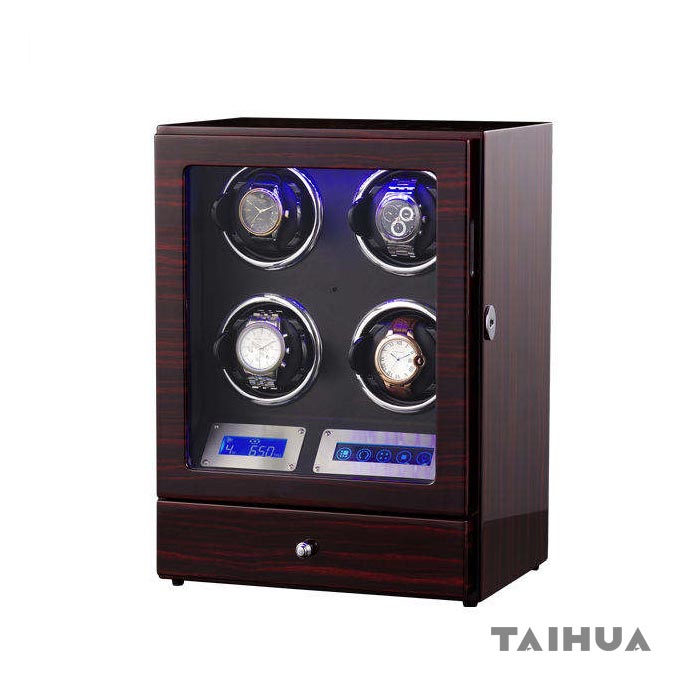
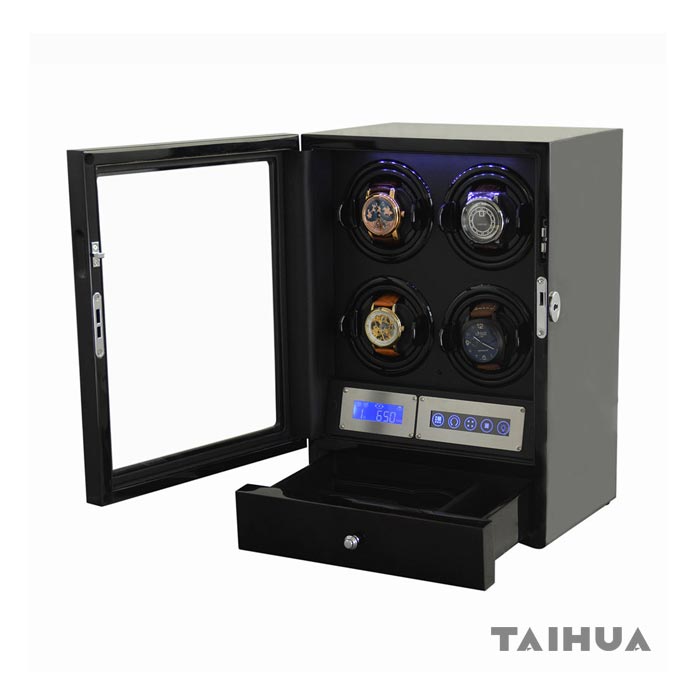
| TPD (winder box) | 650–1,800 turns per day covers most movements. Consult manufacturer specs for the precise figure. |
| Bearing type | Ball bearings or jewel bearings at the pivot. High-end movements use ceramic ball bearings for near-zero friction. |
Taihua
Protect the movement
that never stops
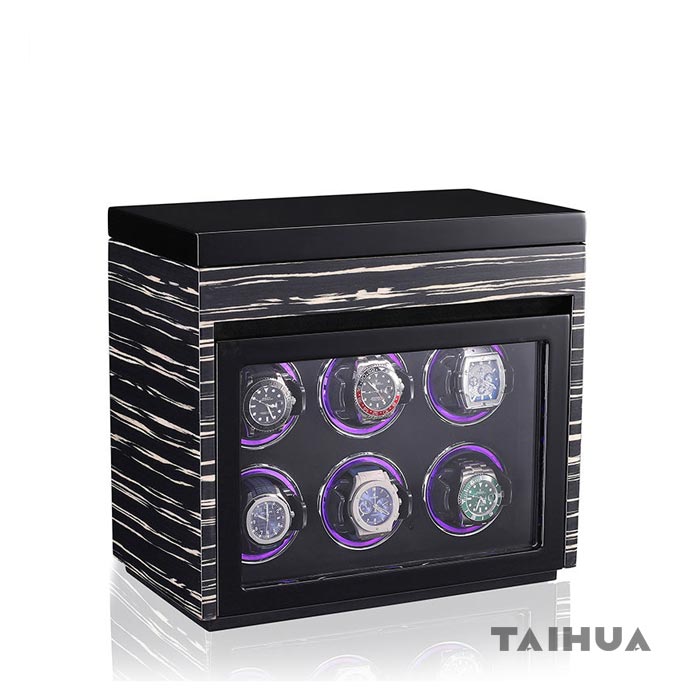
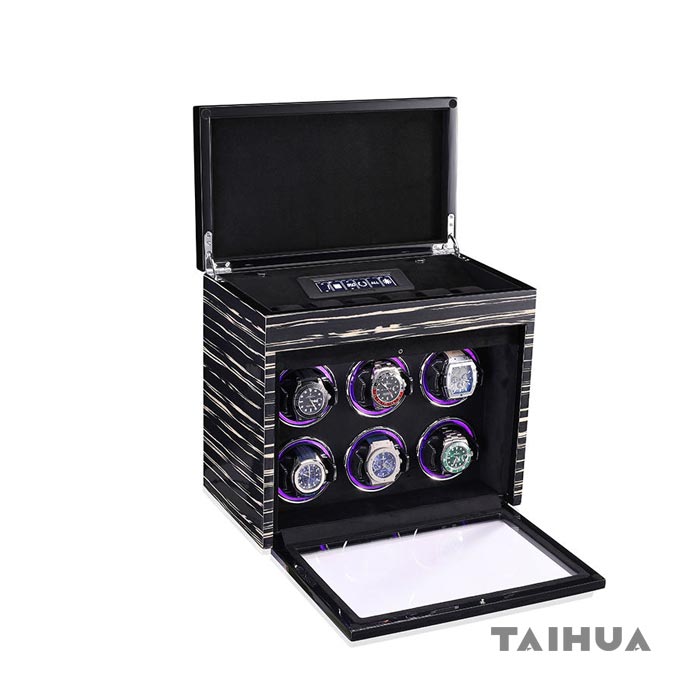
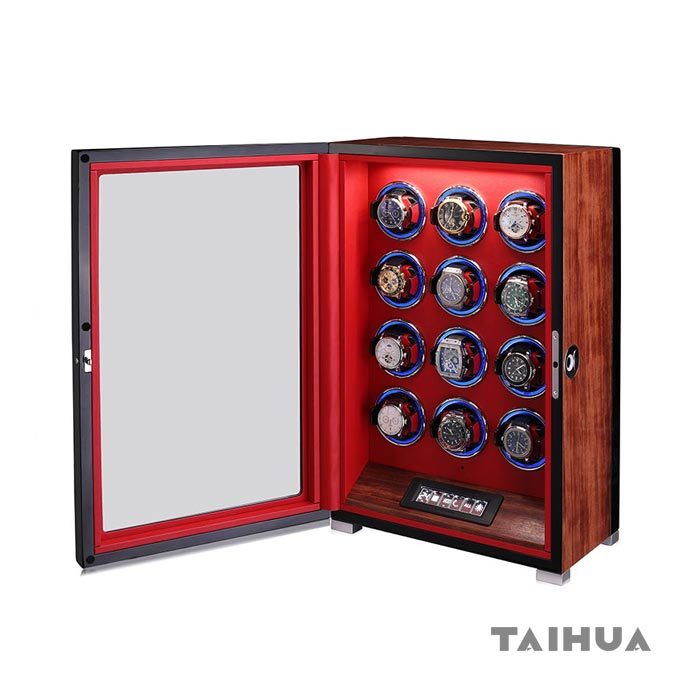
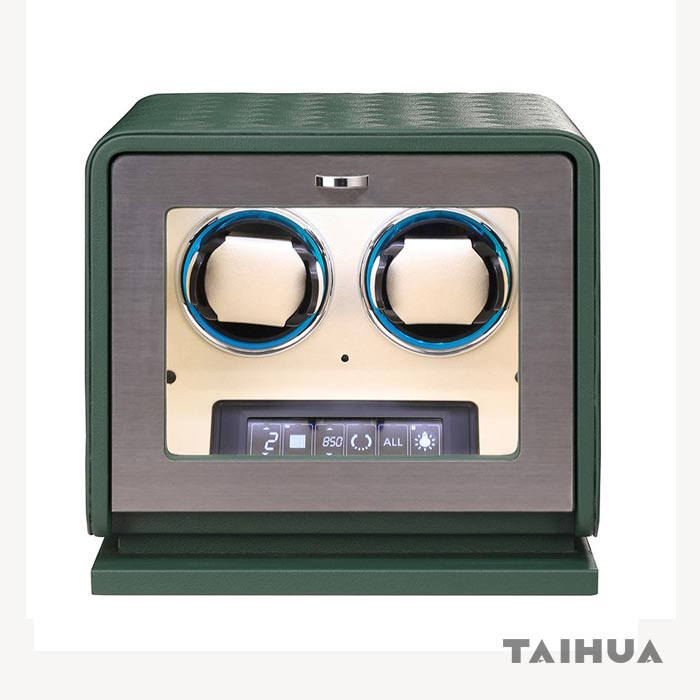
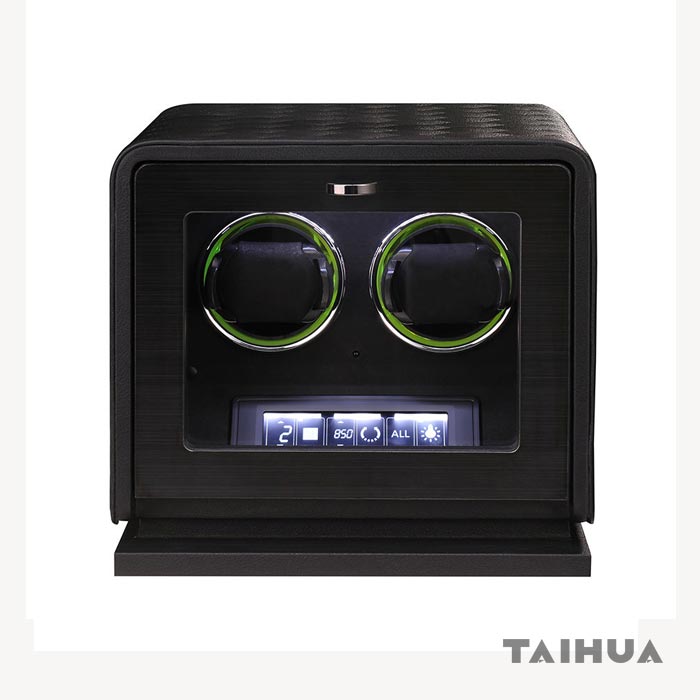
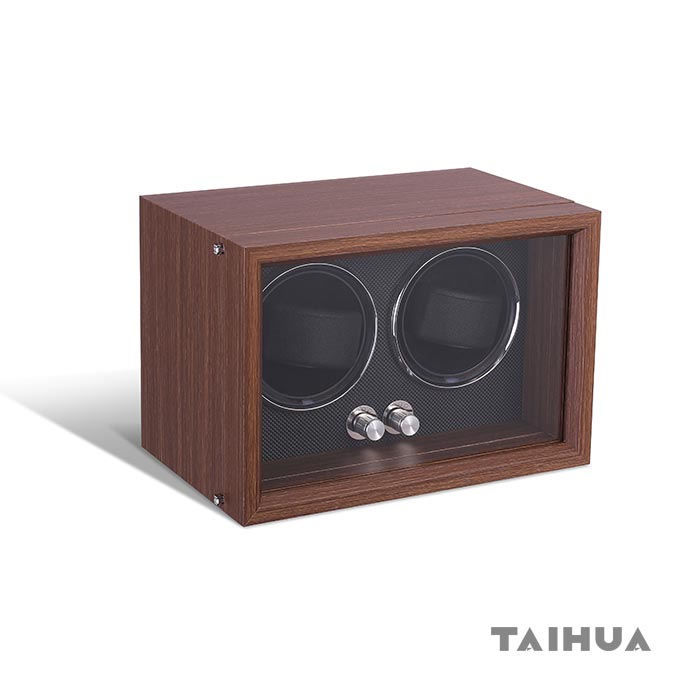
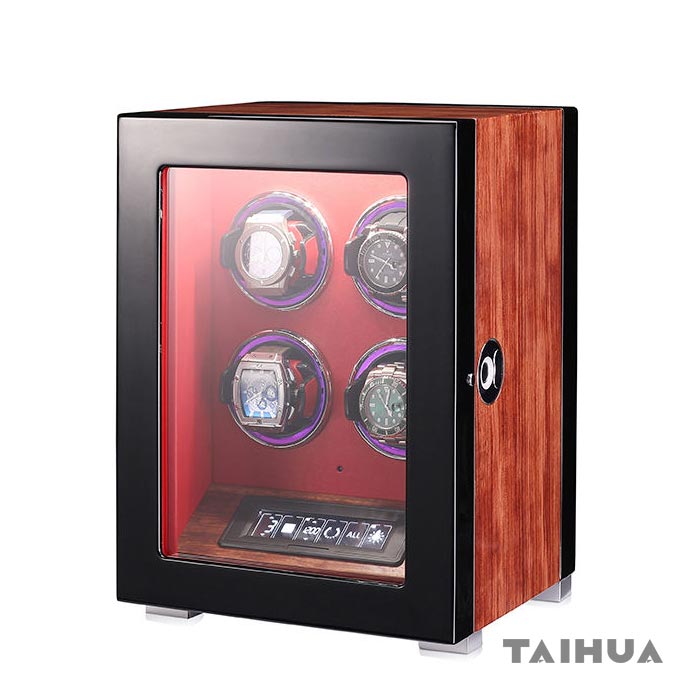
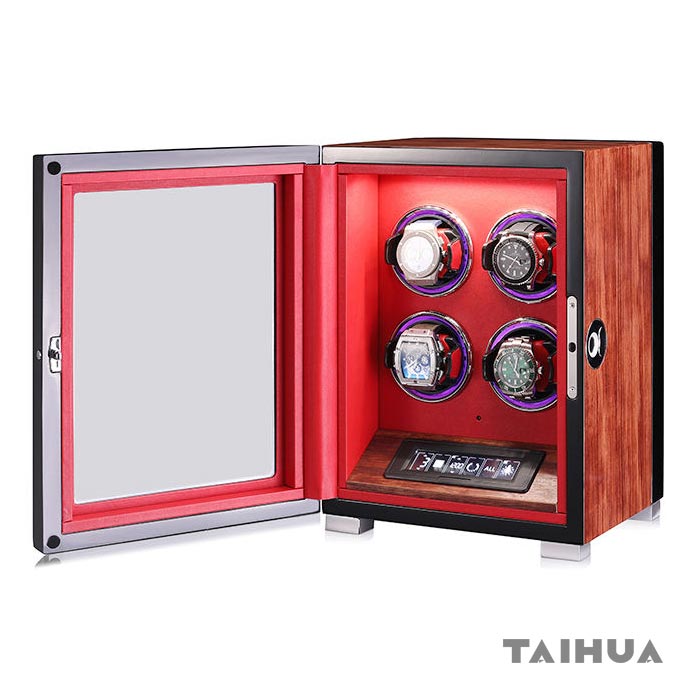
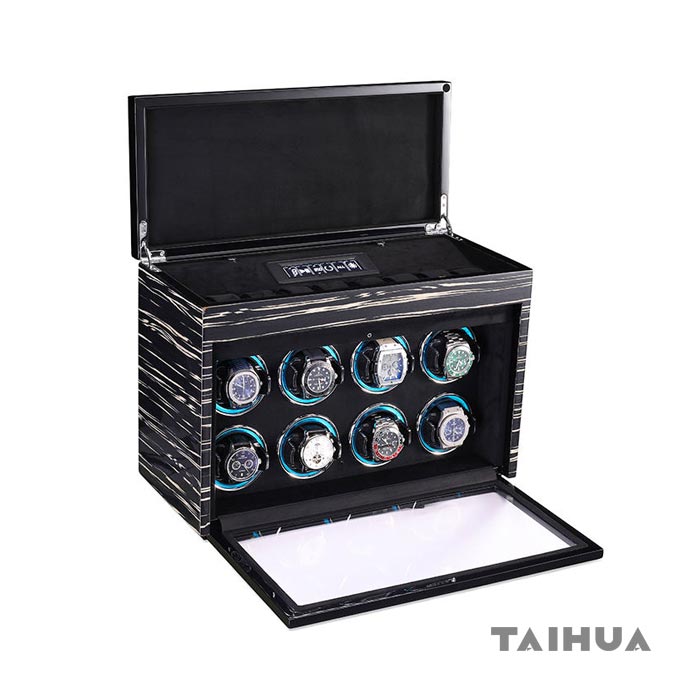
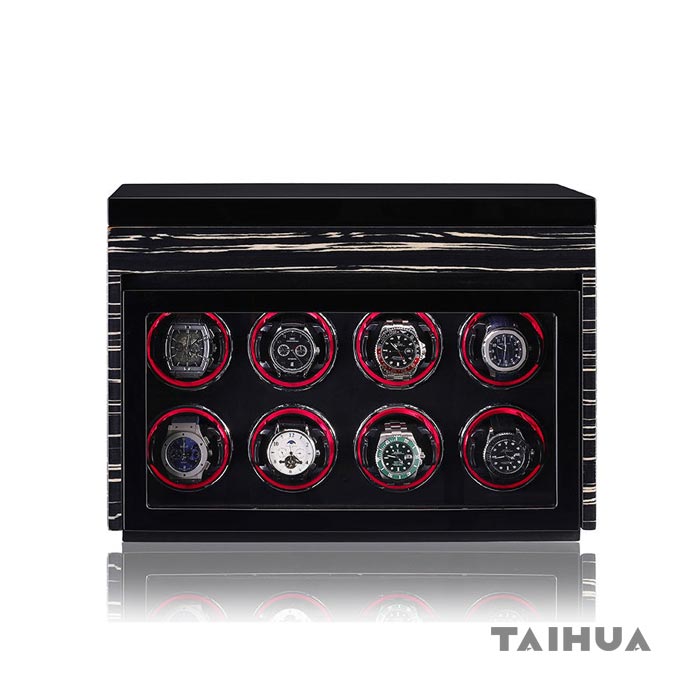
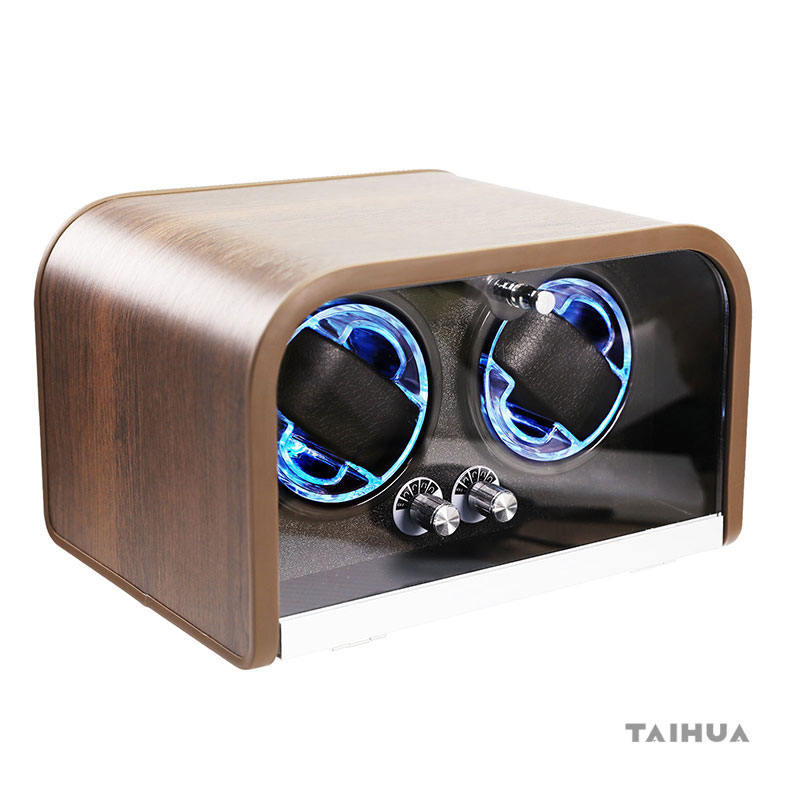
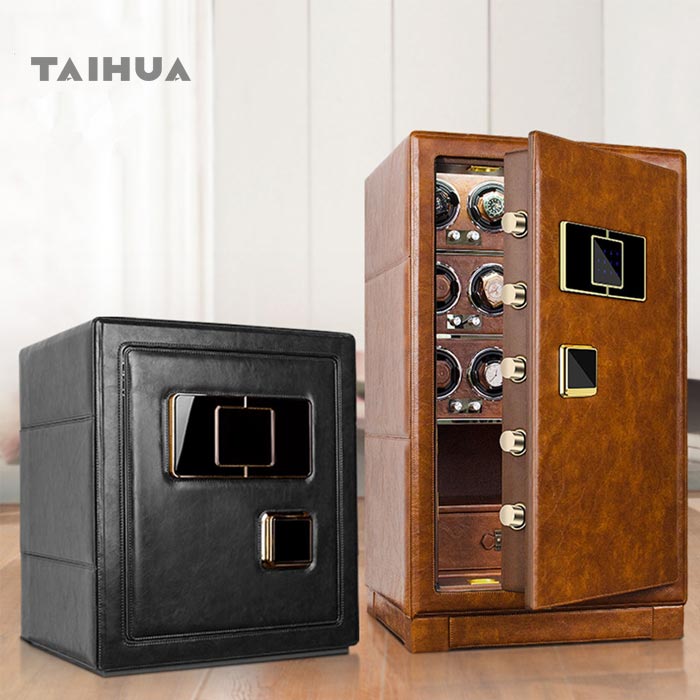
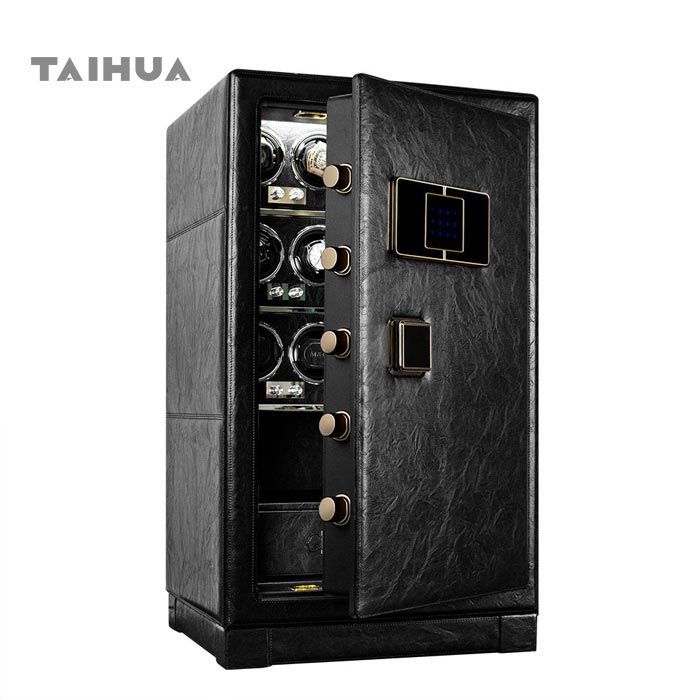
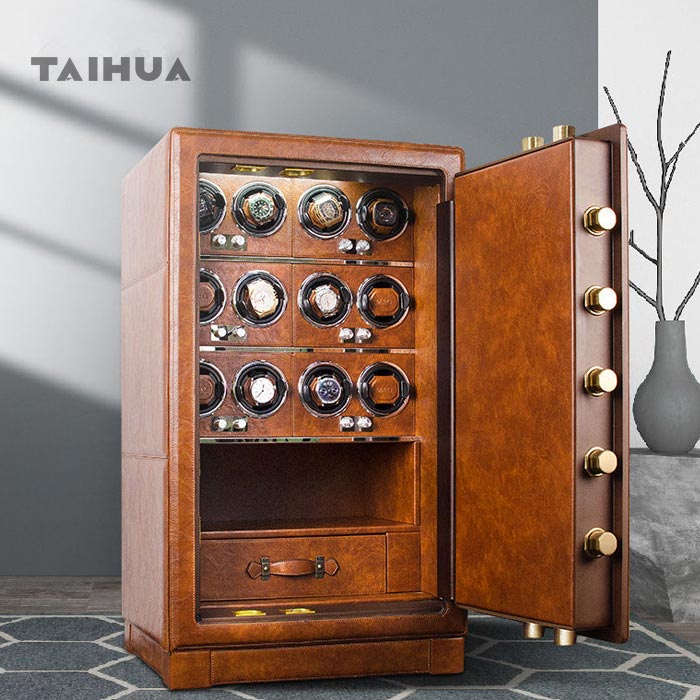
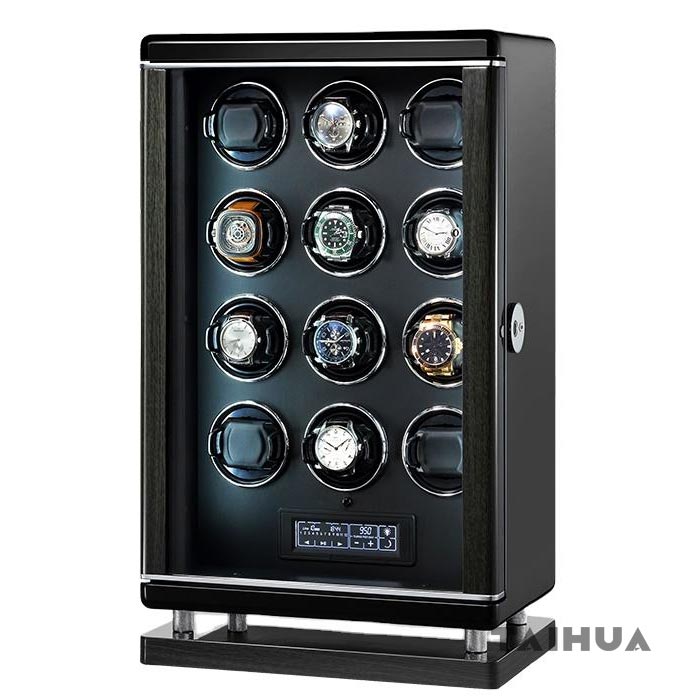
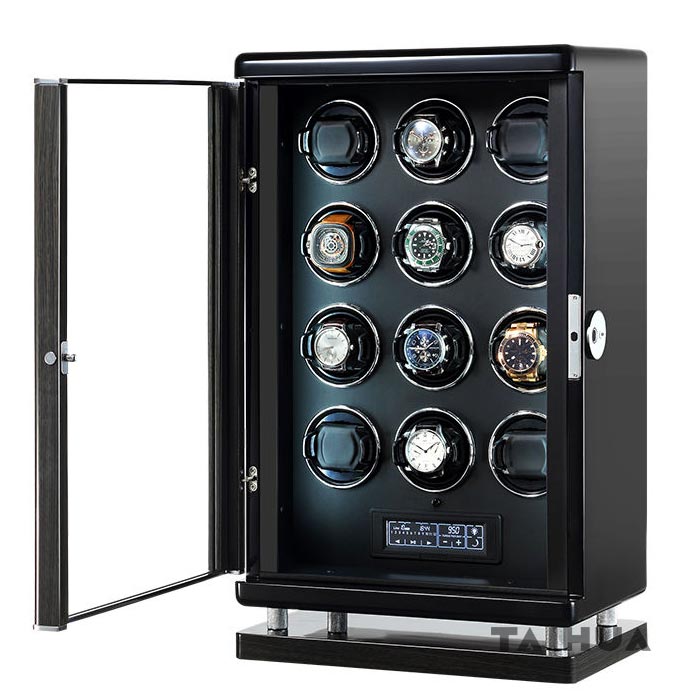
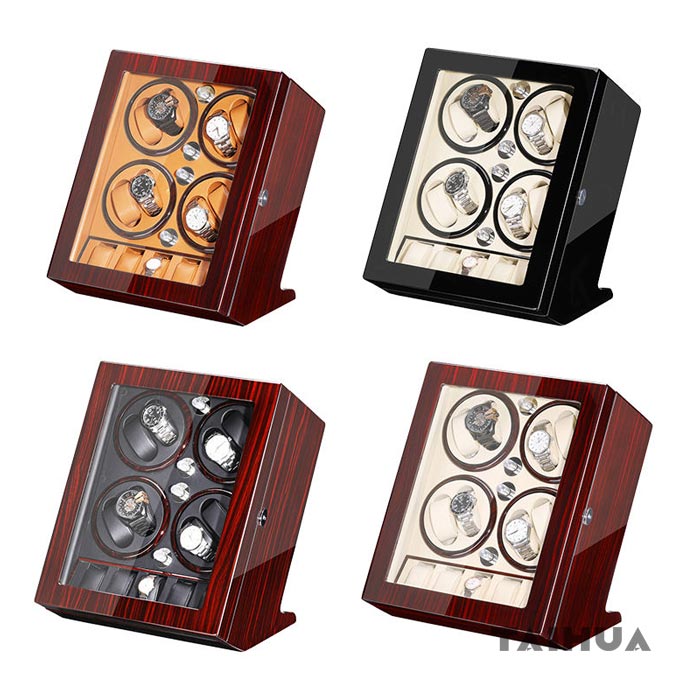
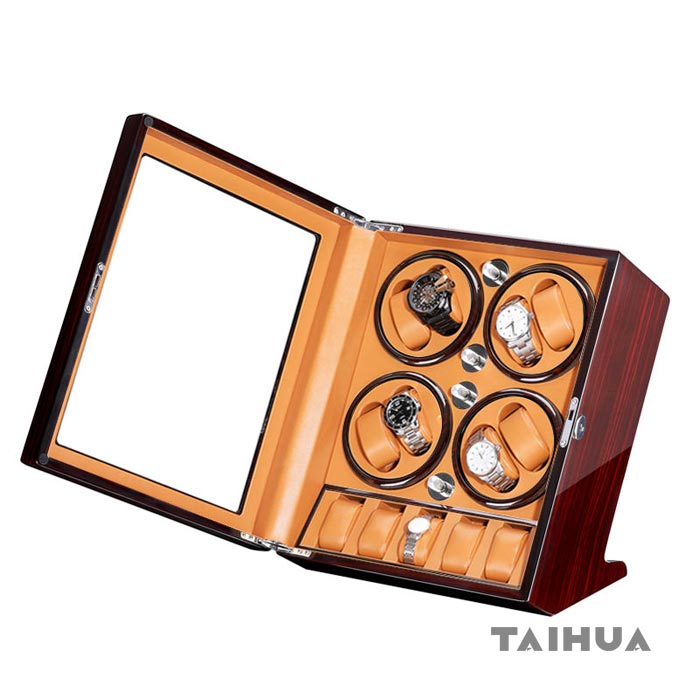
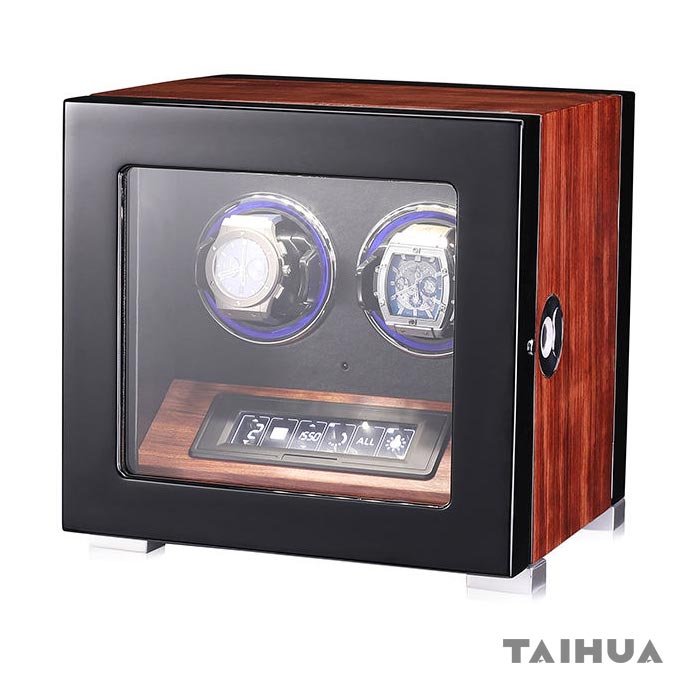
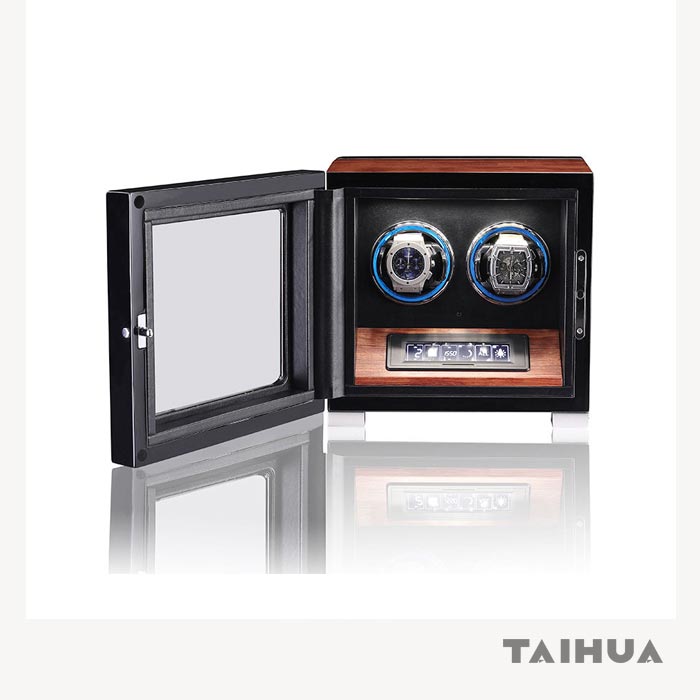
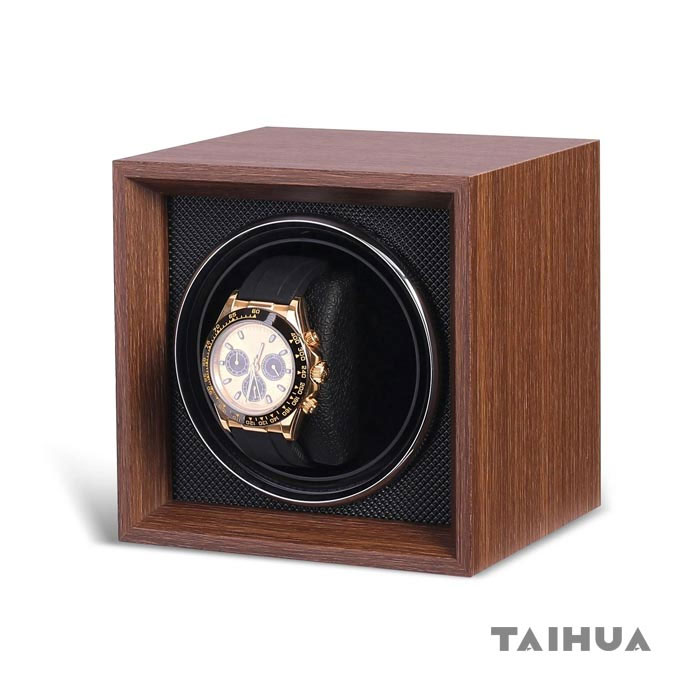
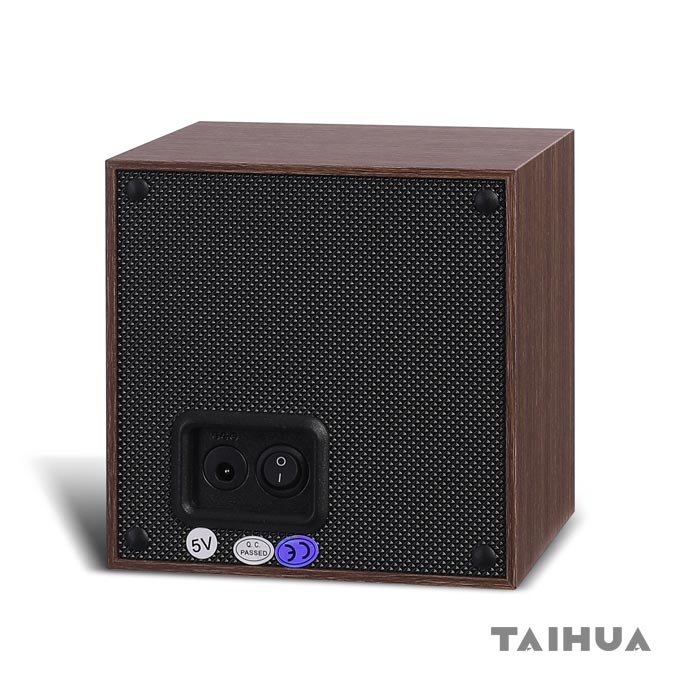
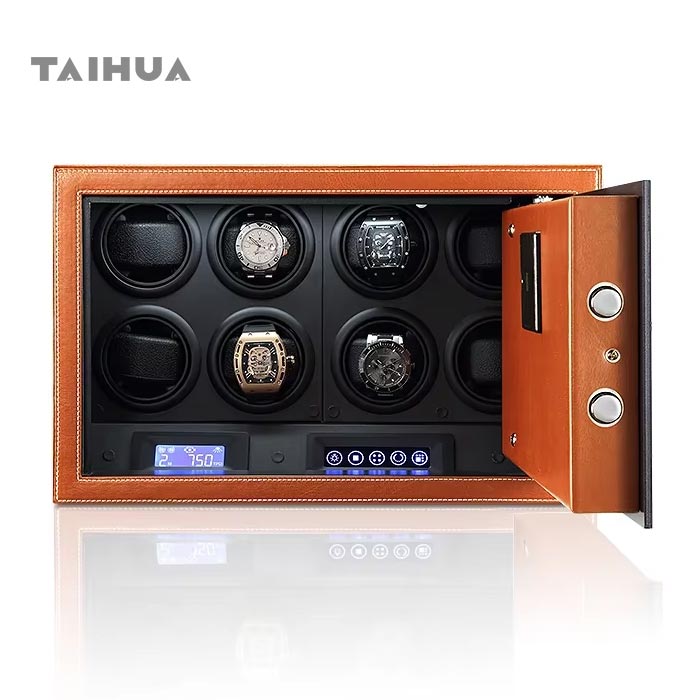
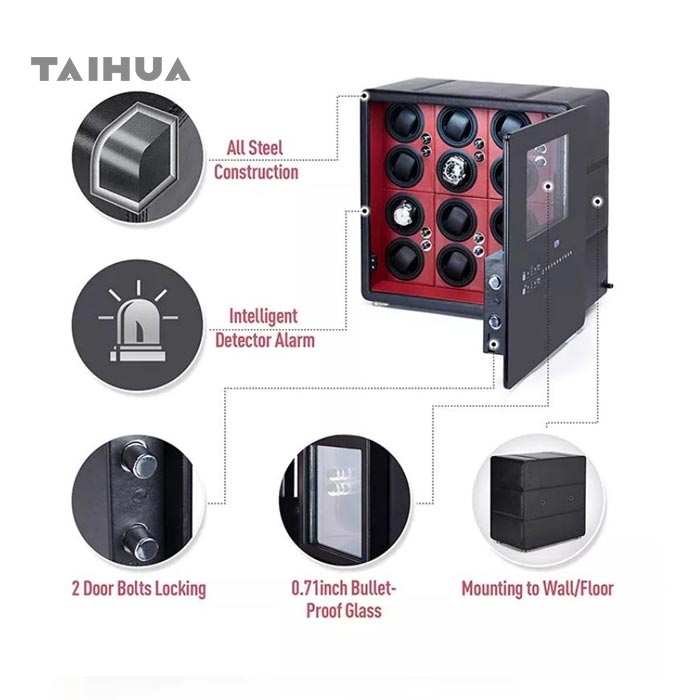
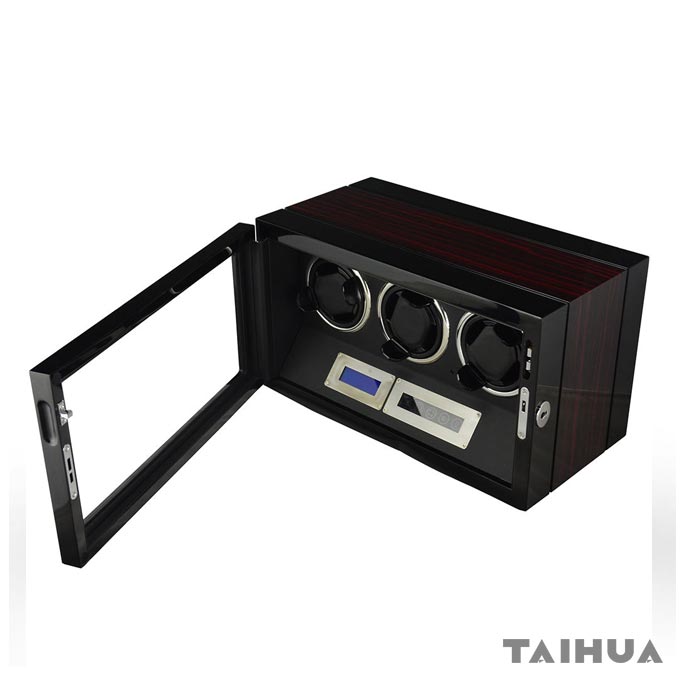
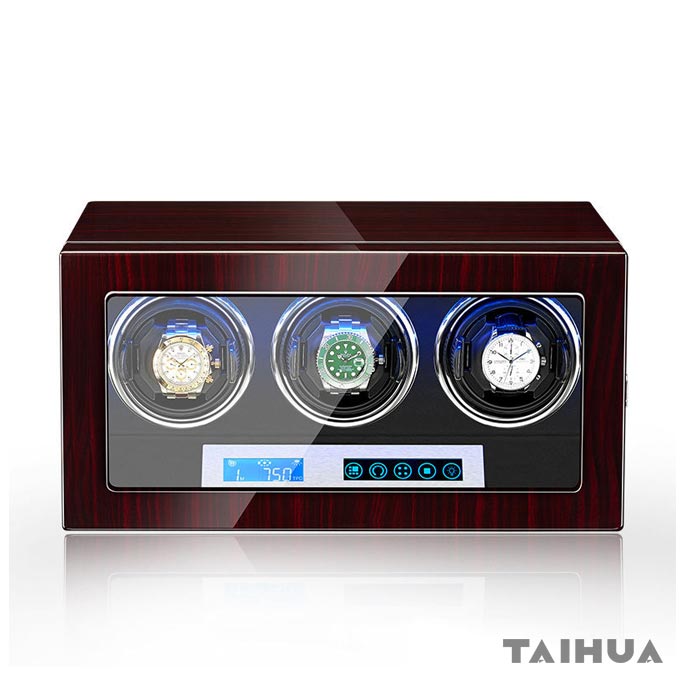
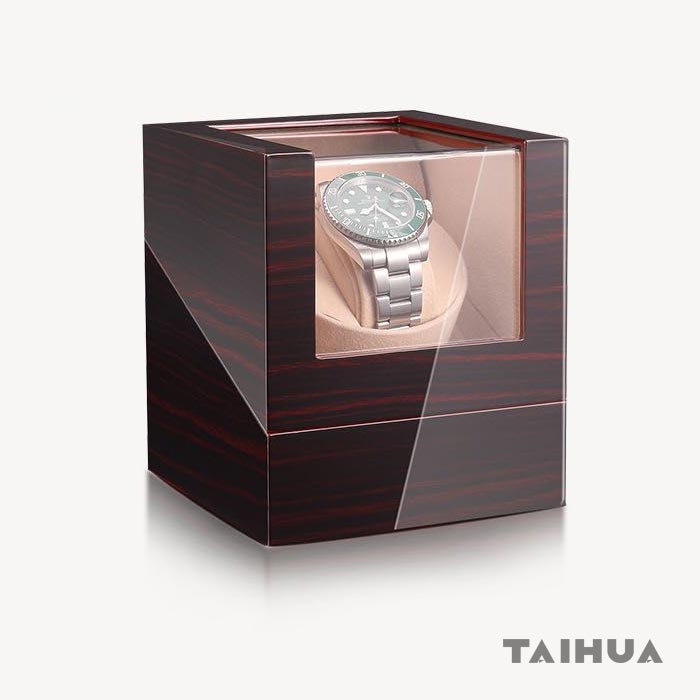
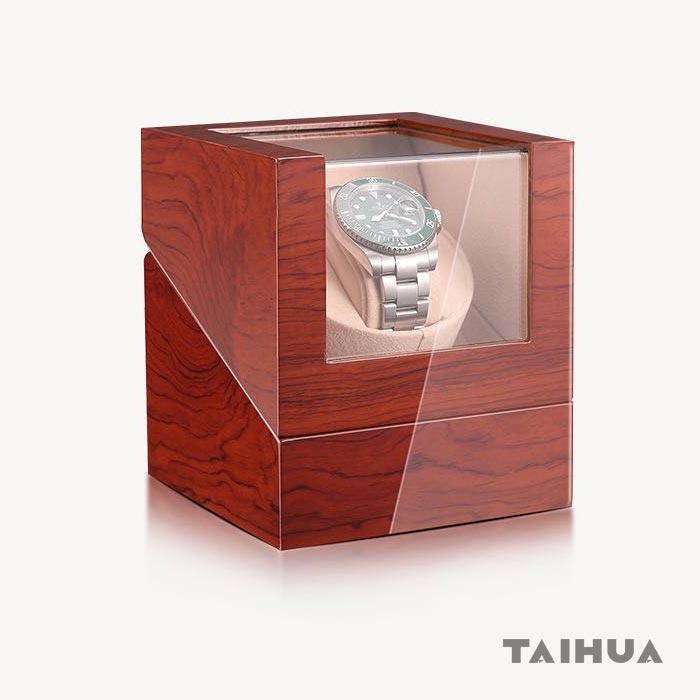
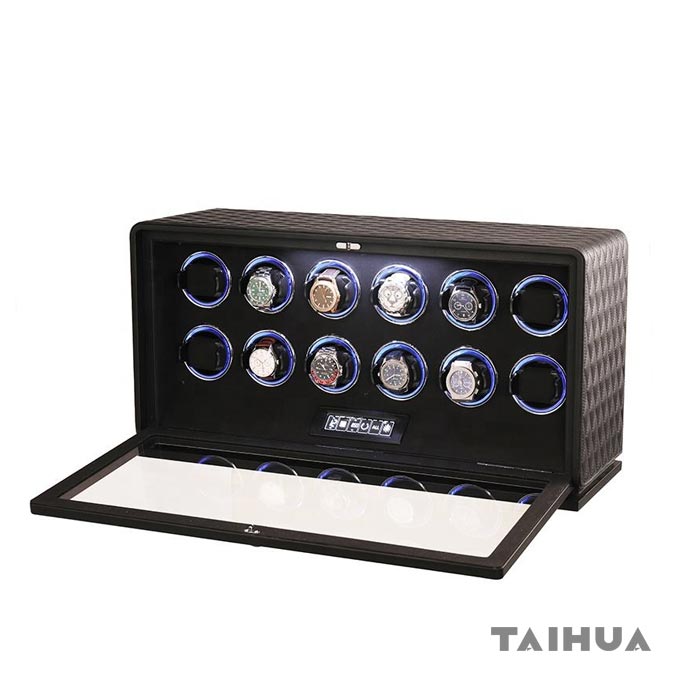
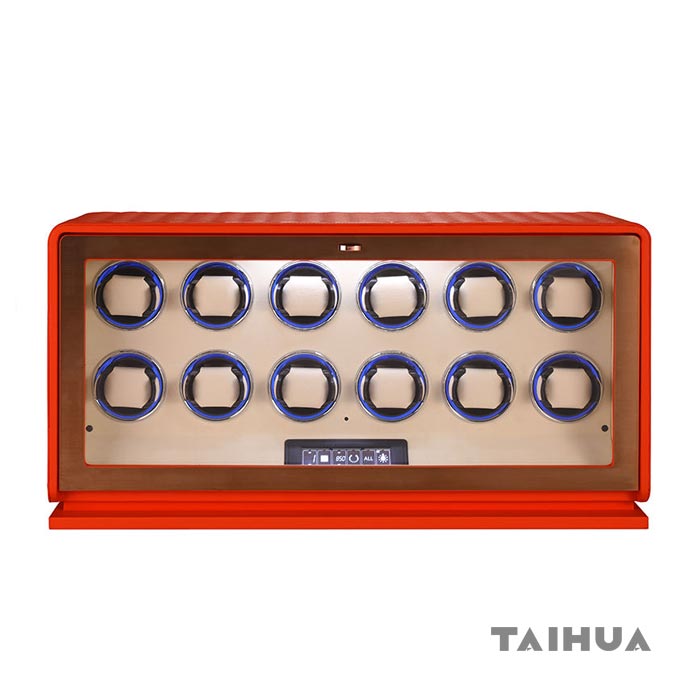
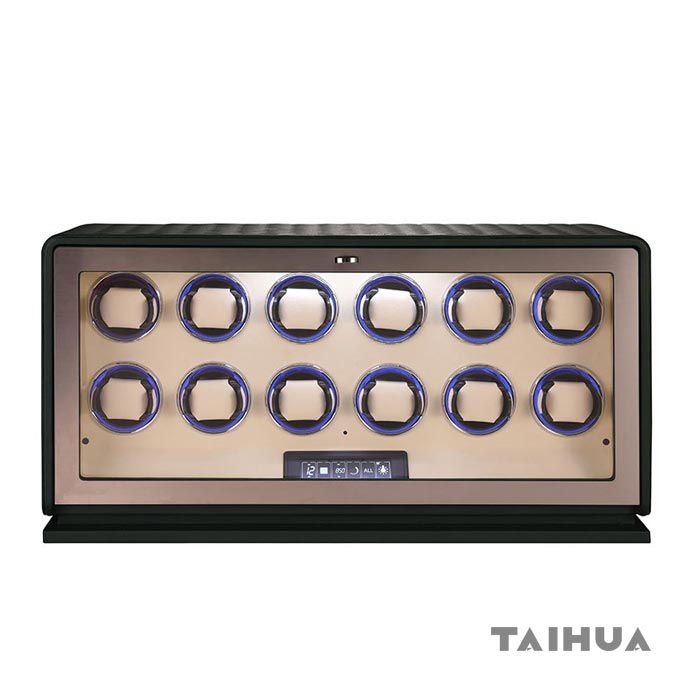
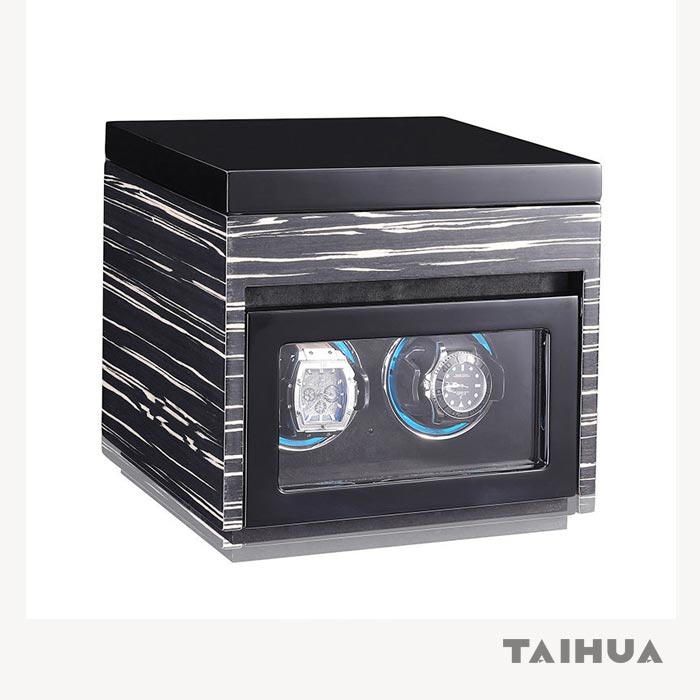
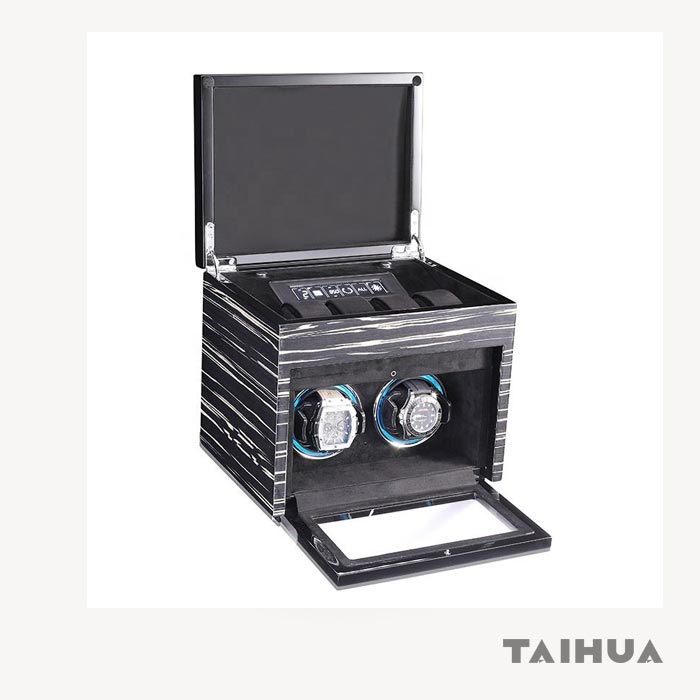
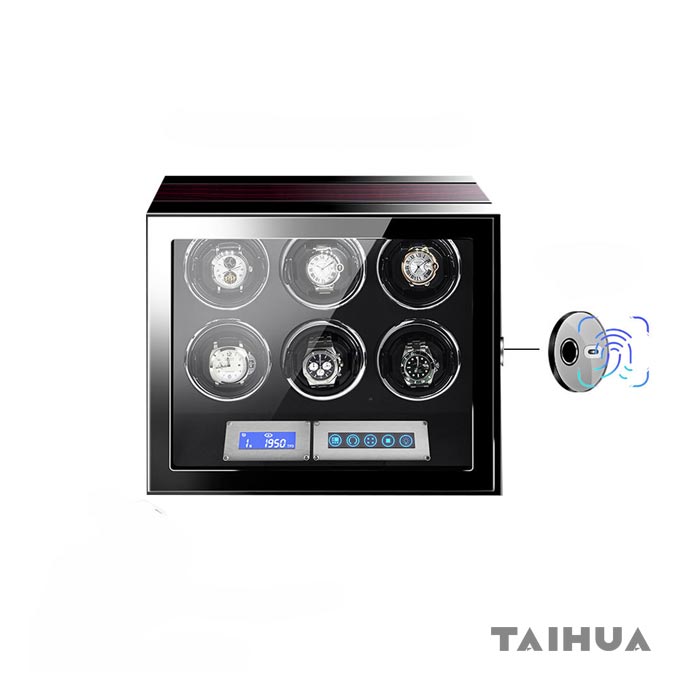
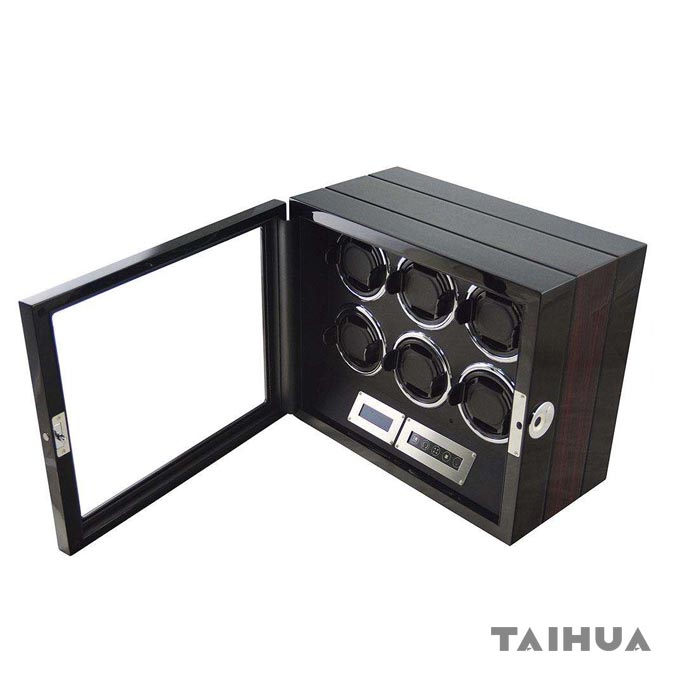
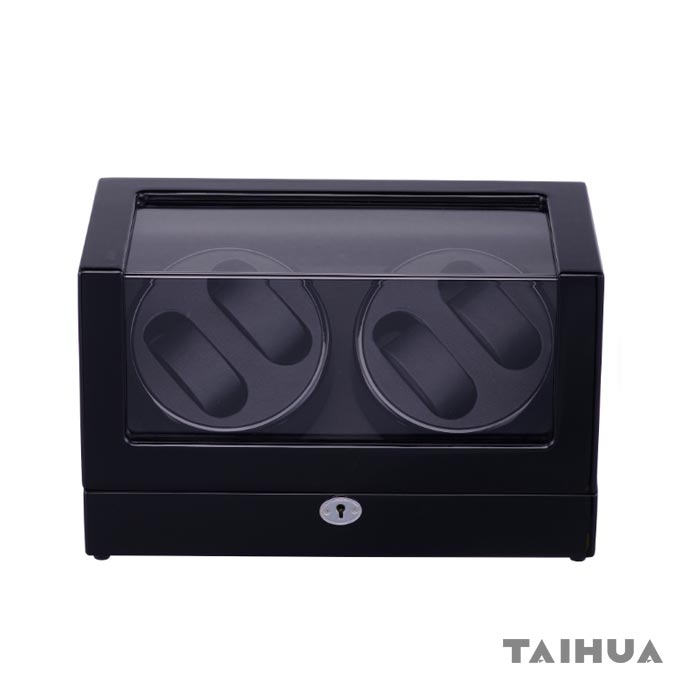
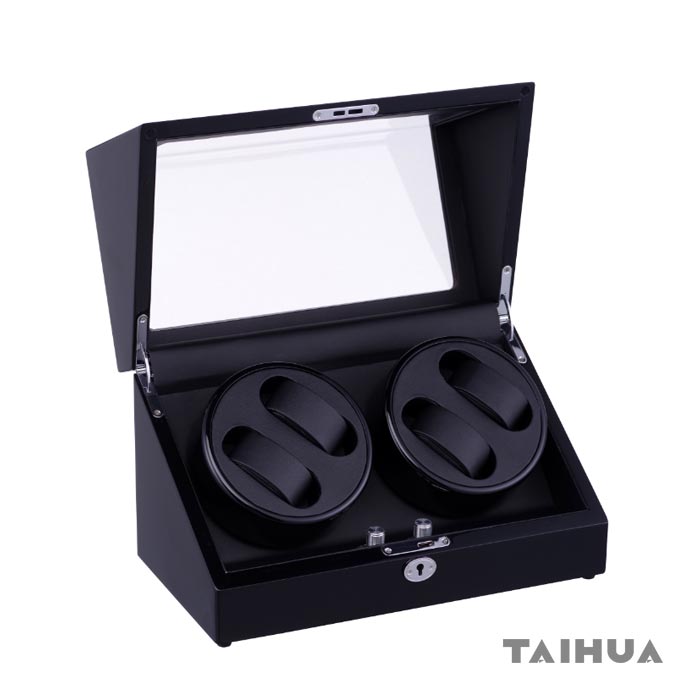
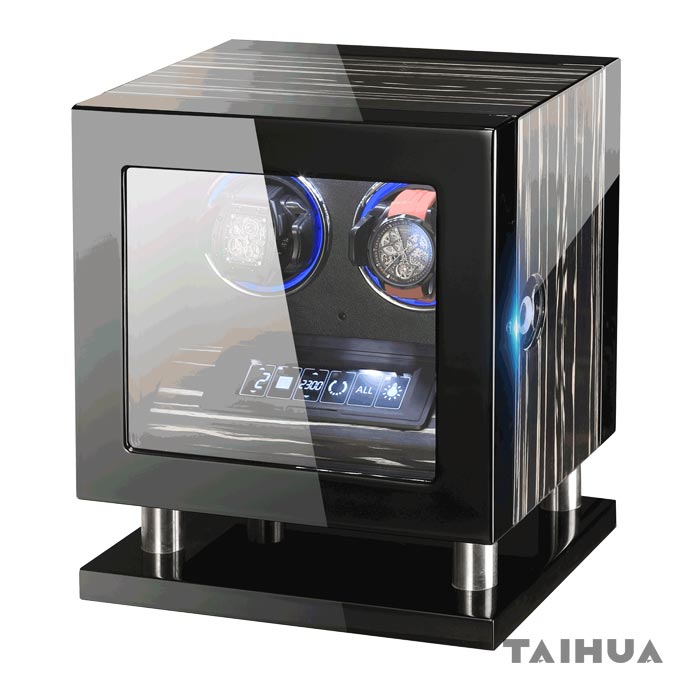
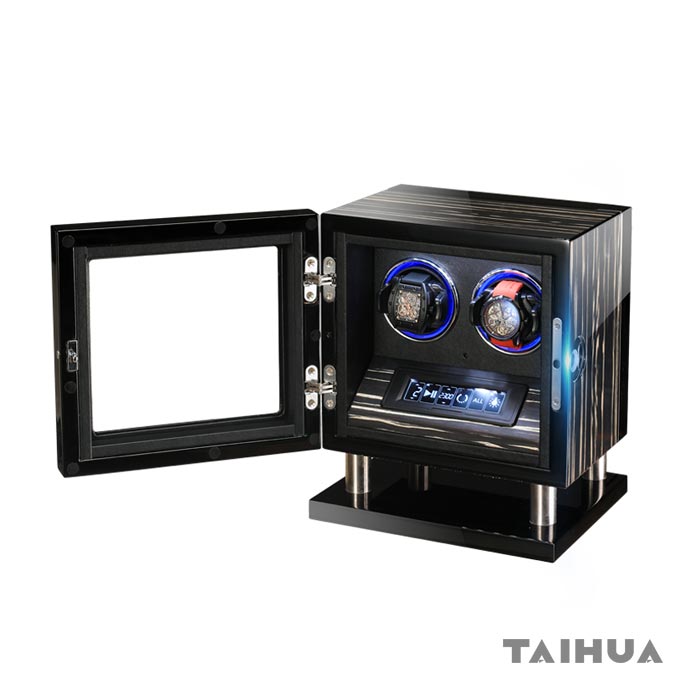
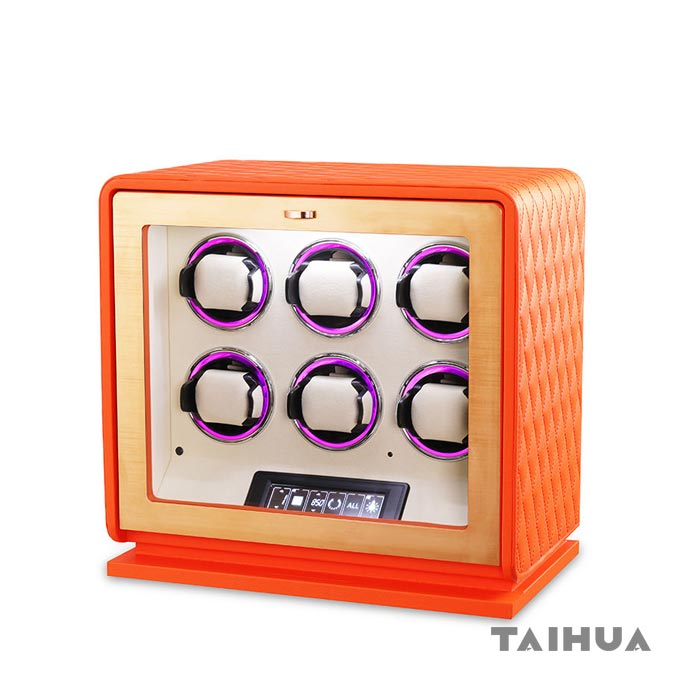
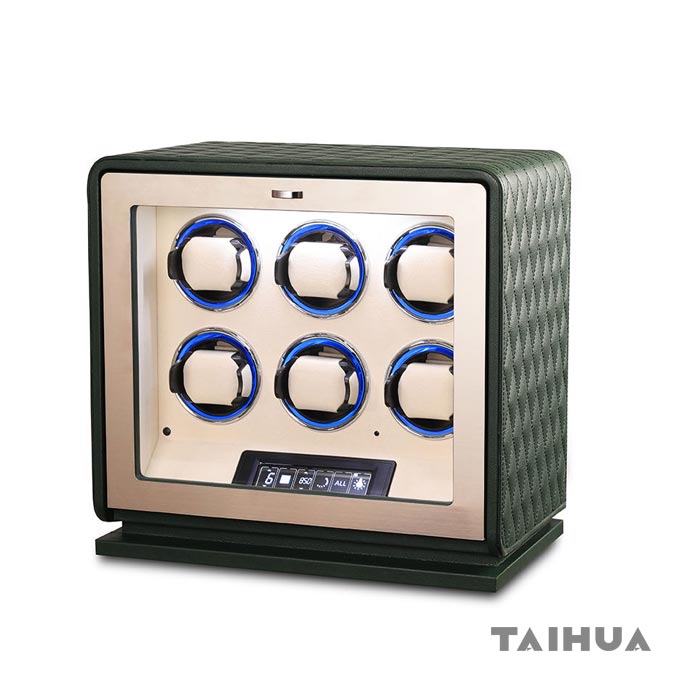
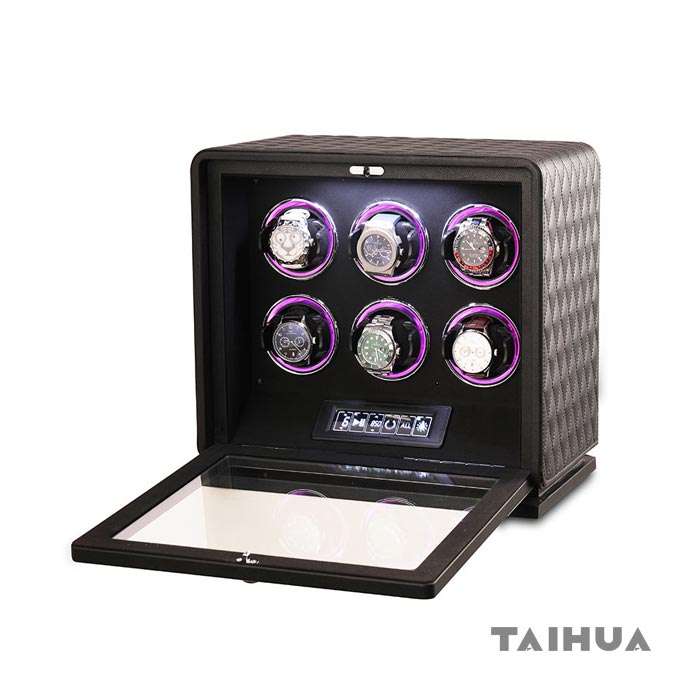
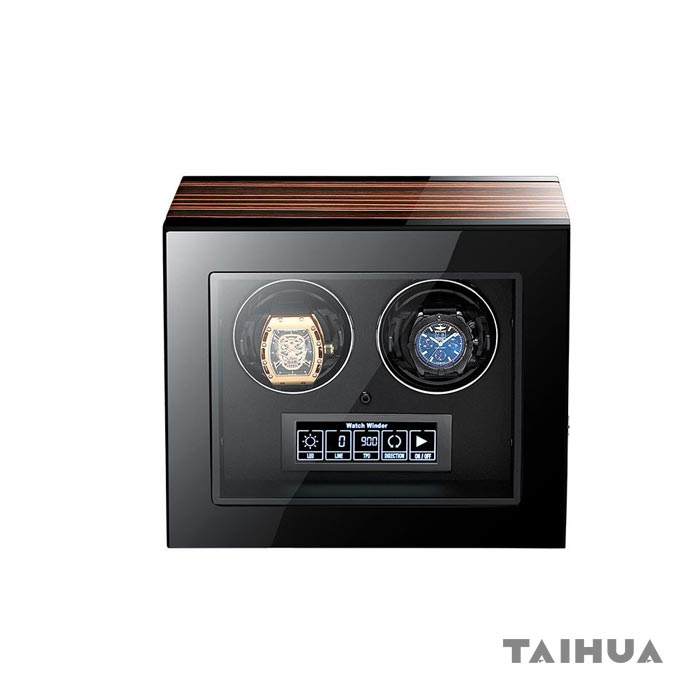
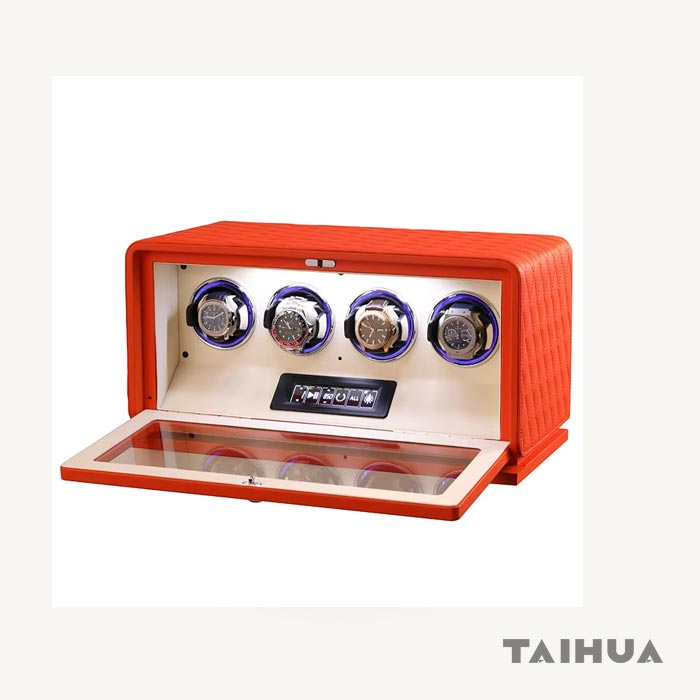
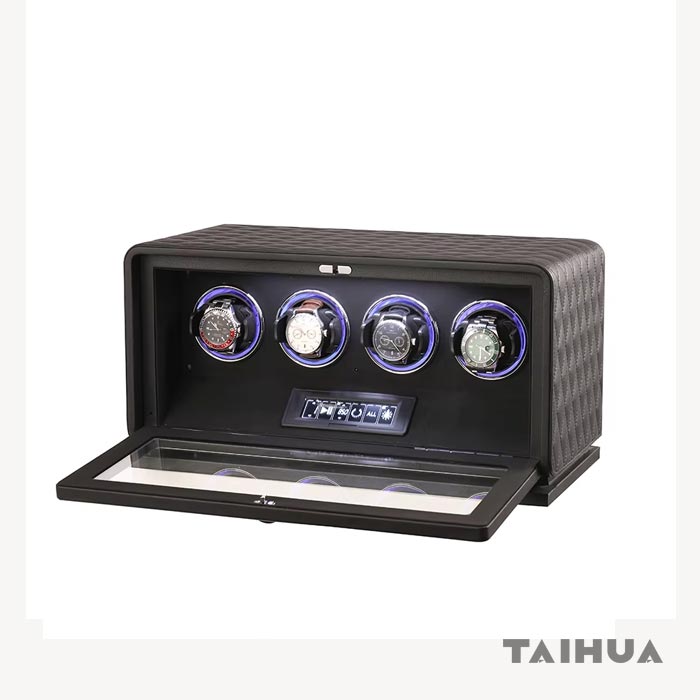
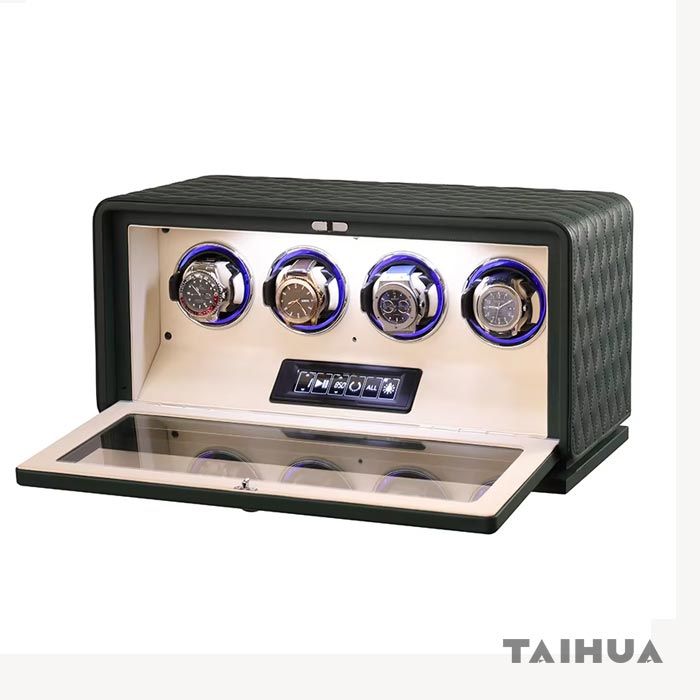
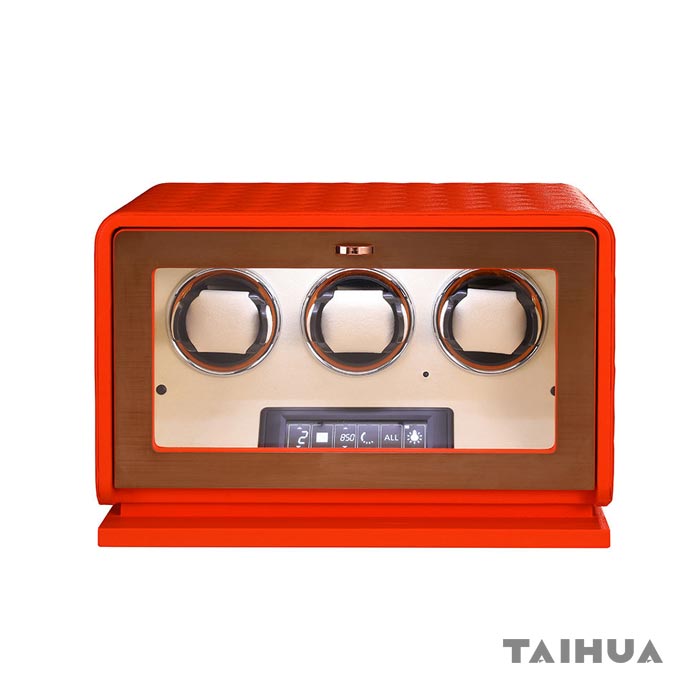
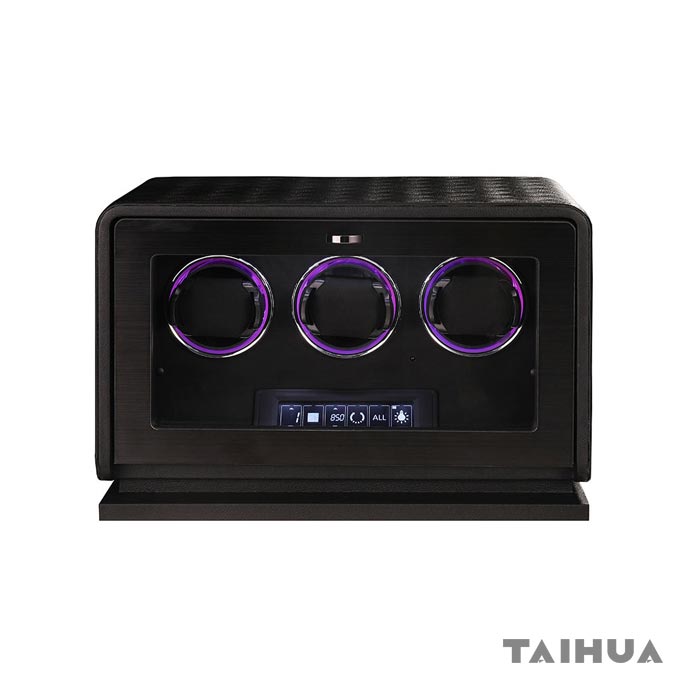
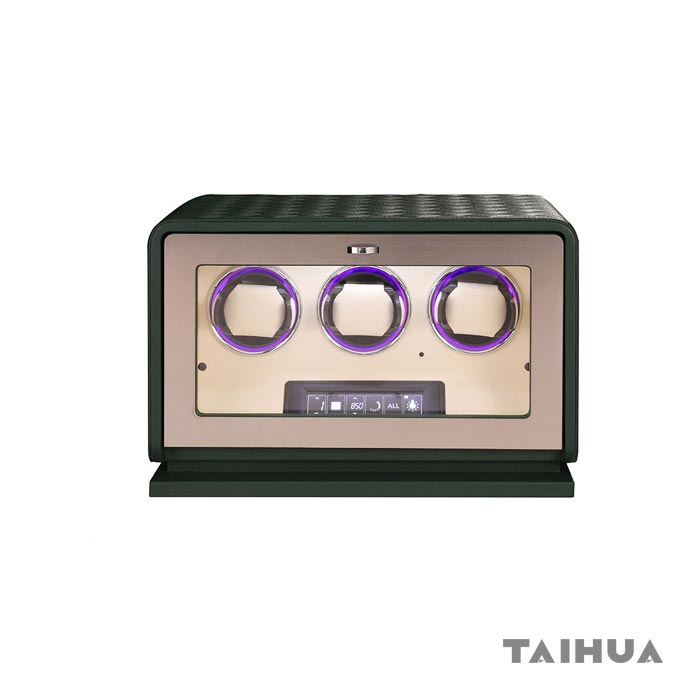
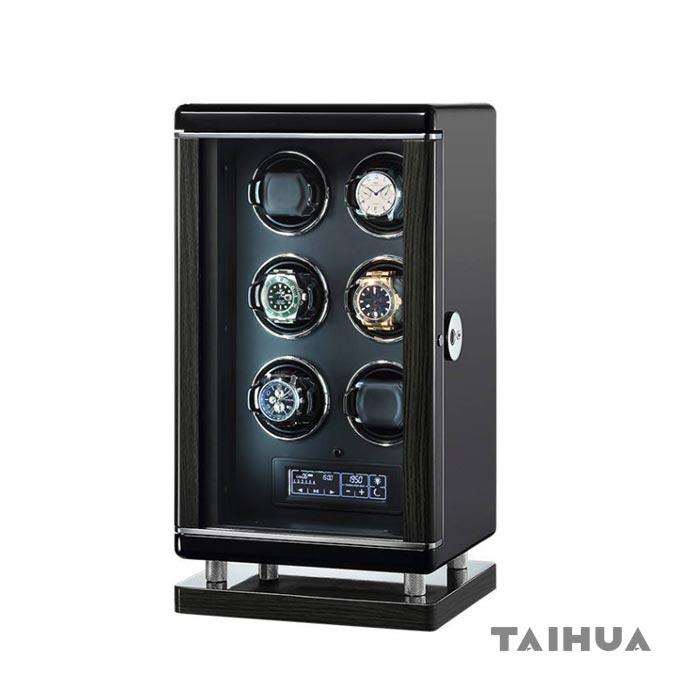
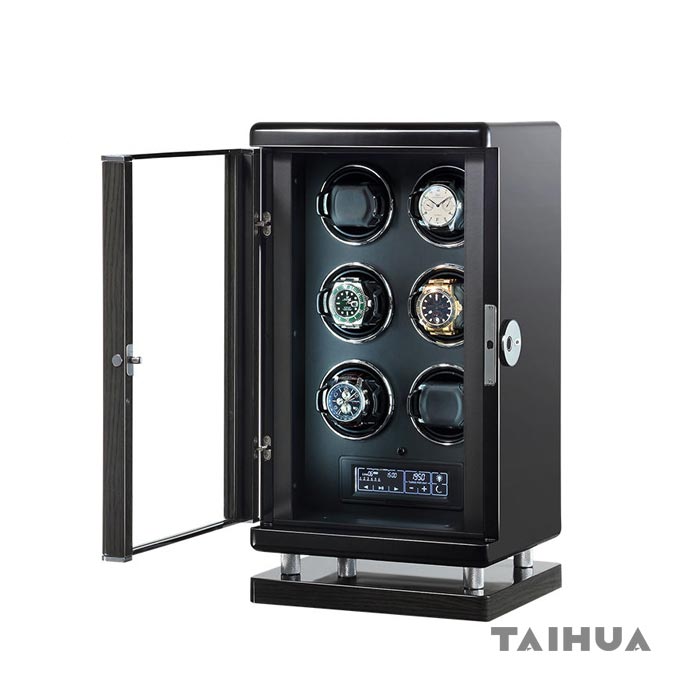
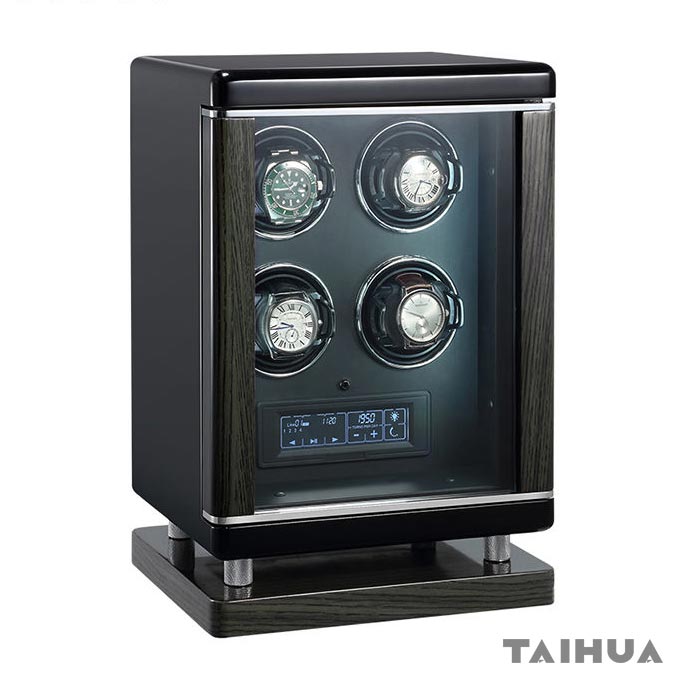
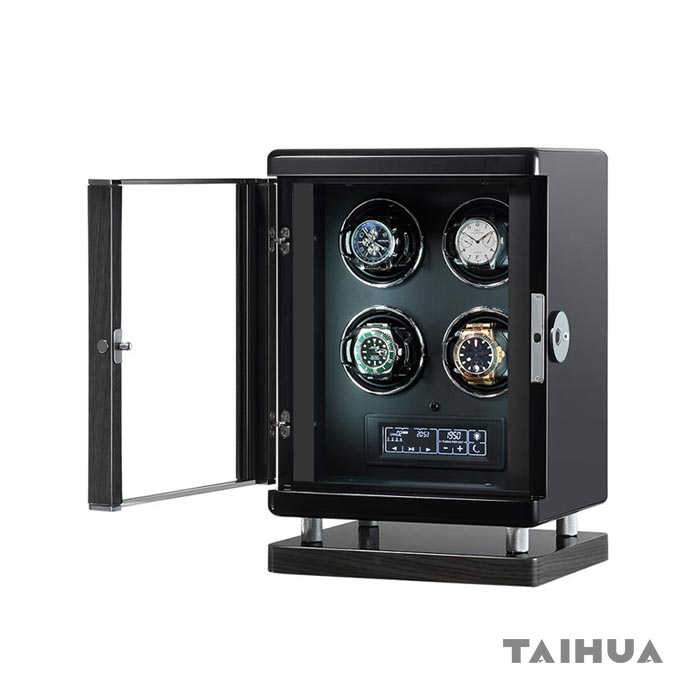
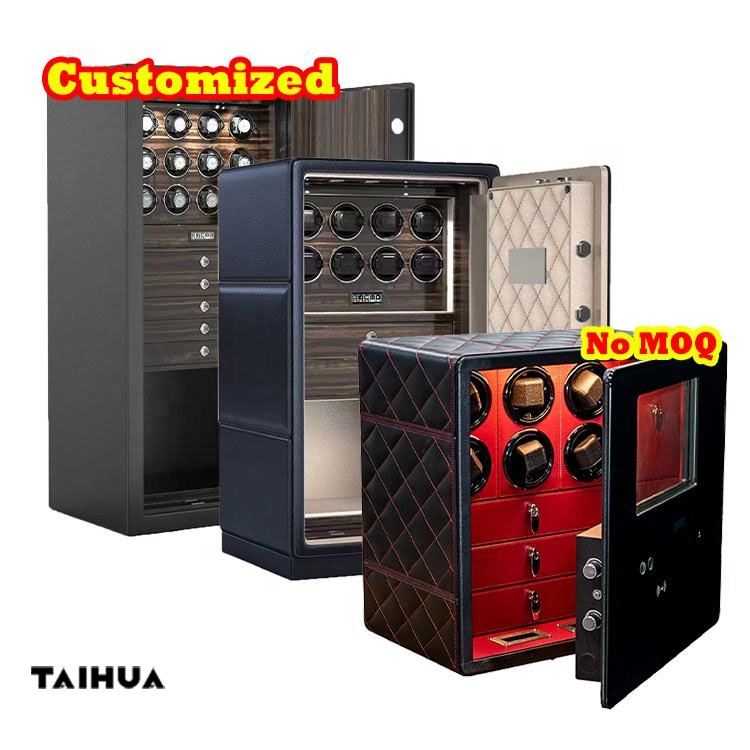
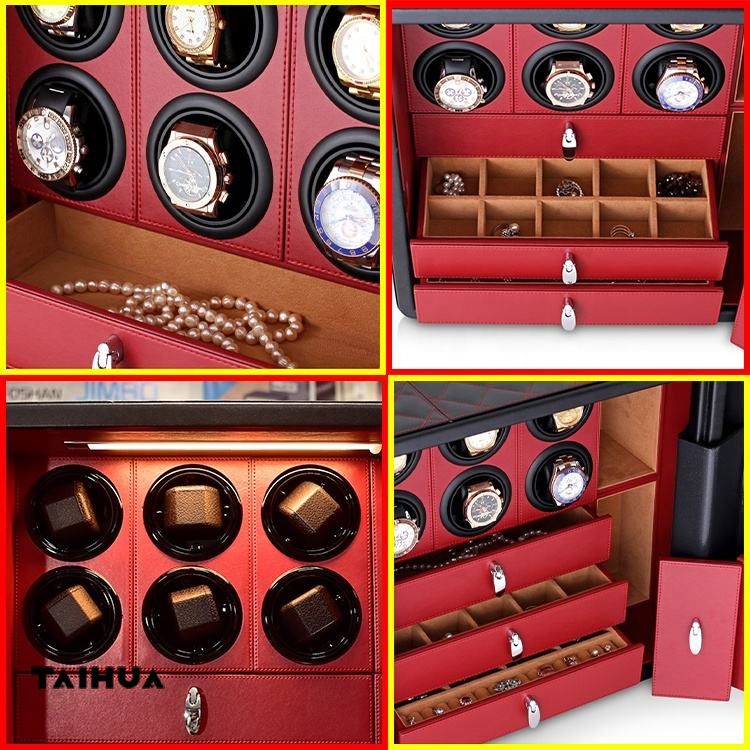
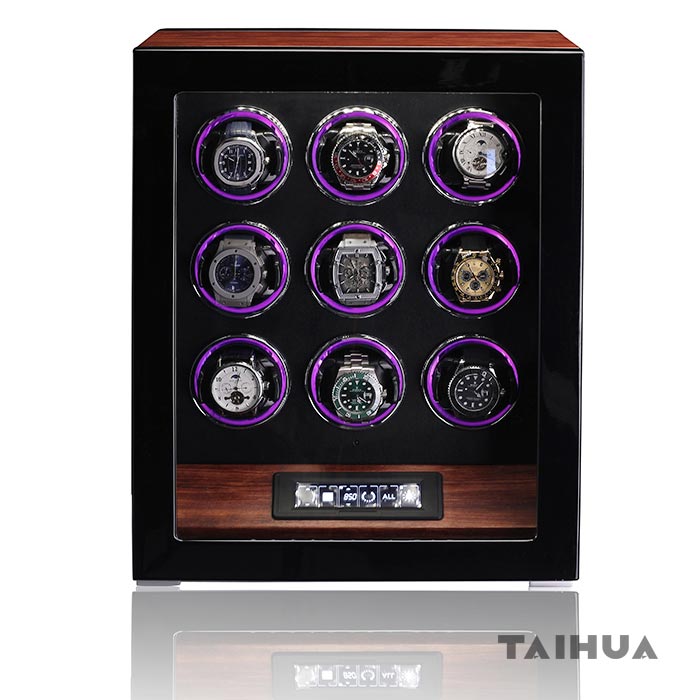
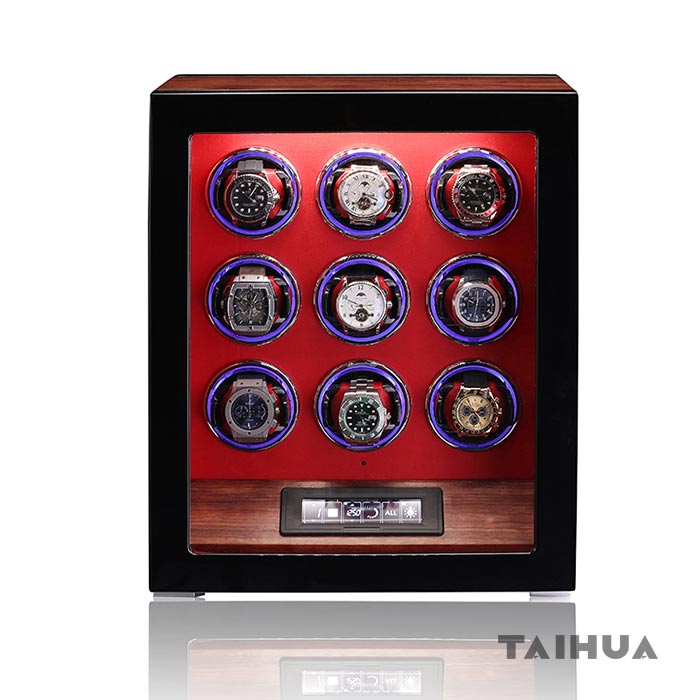
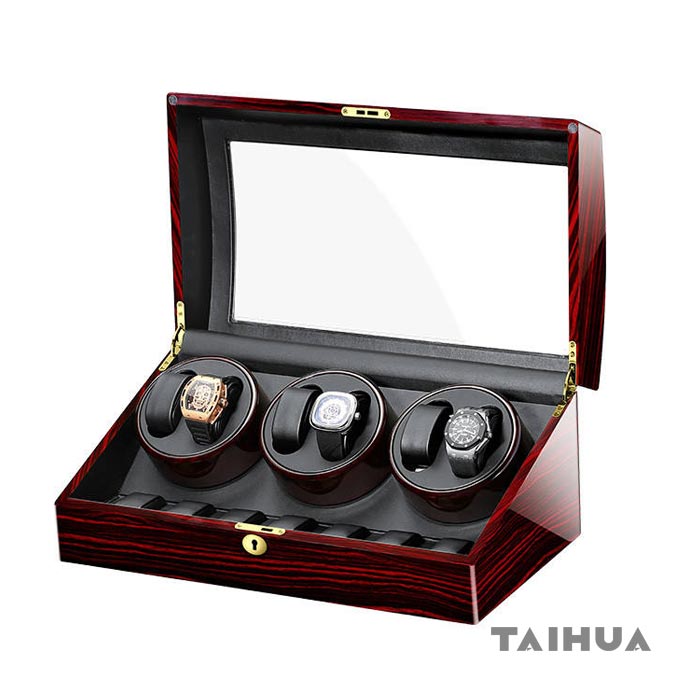
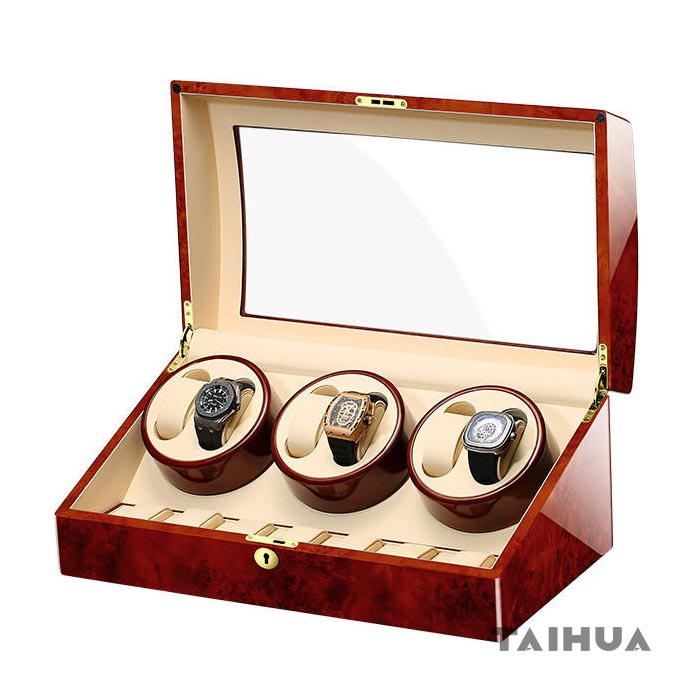
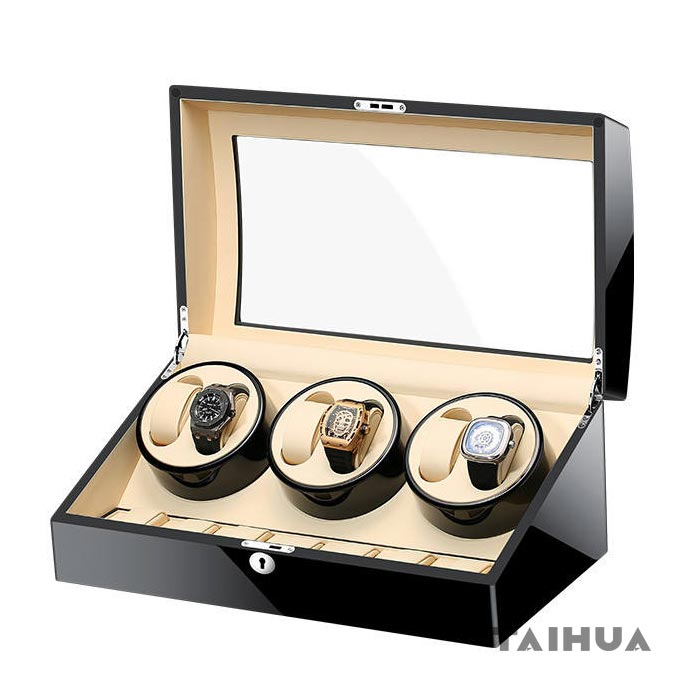
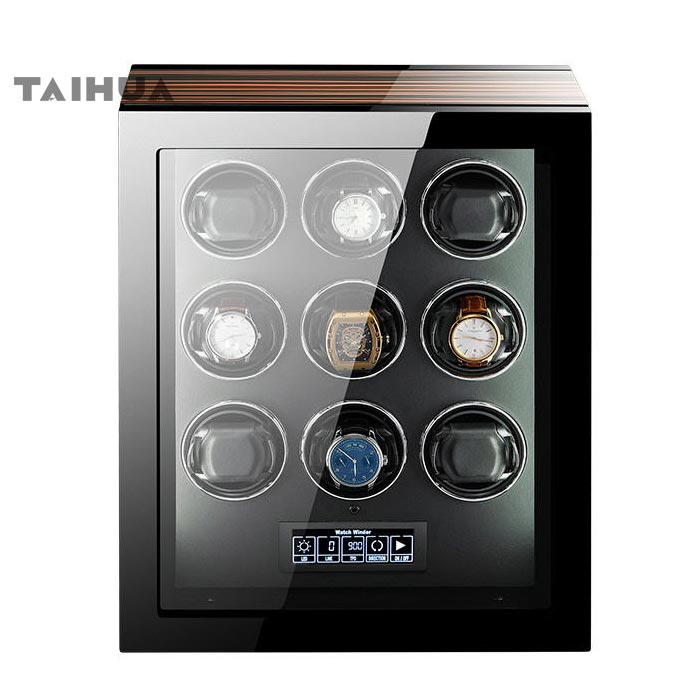
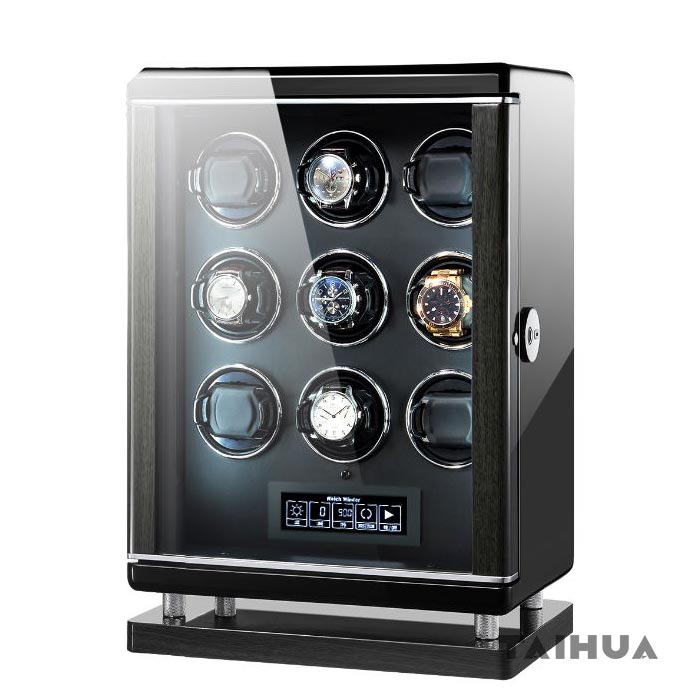
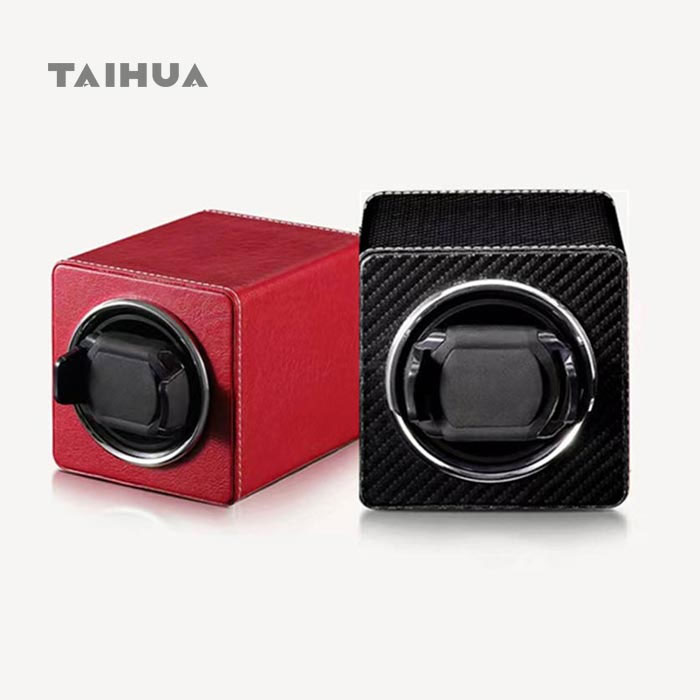
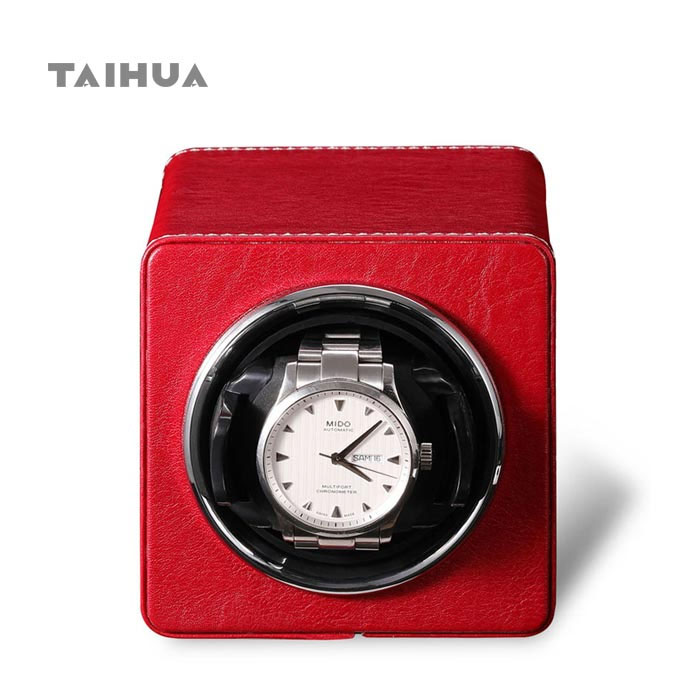
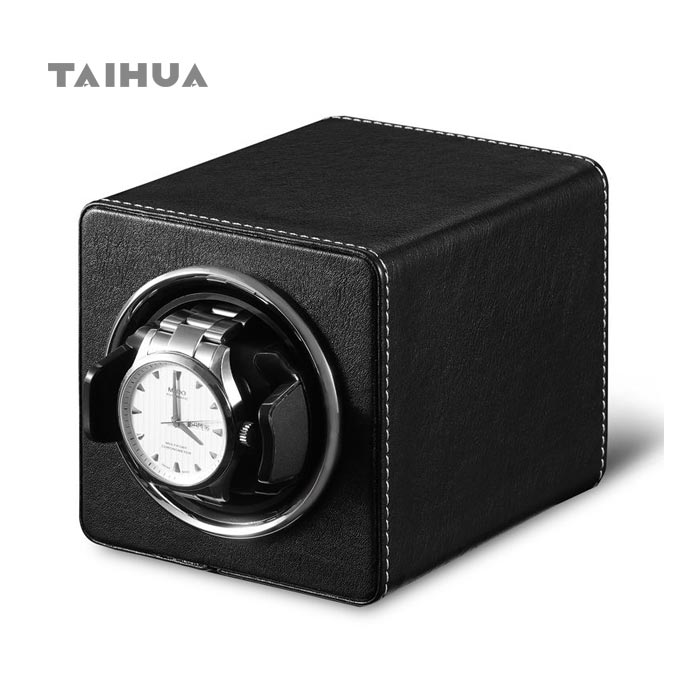
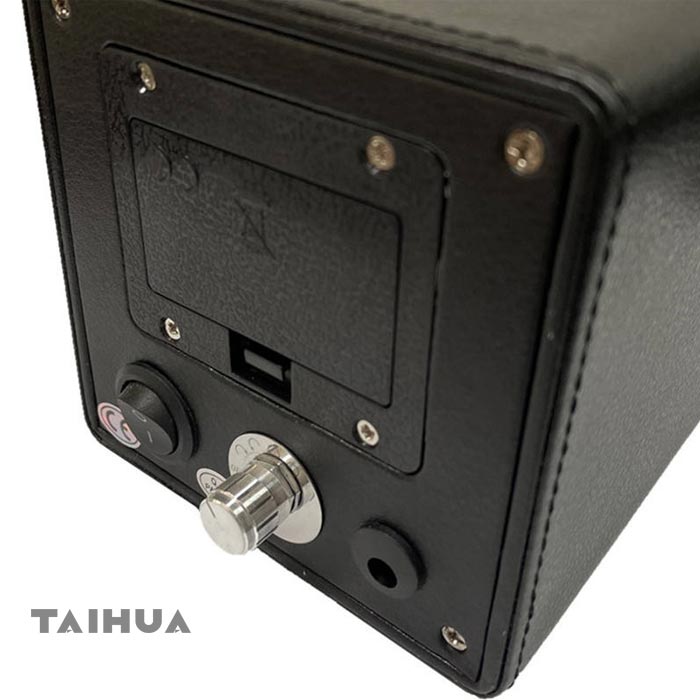
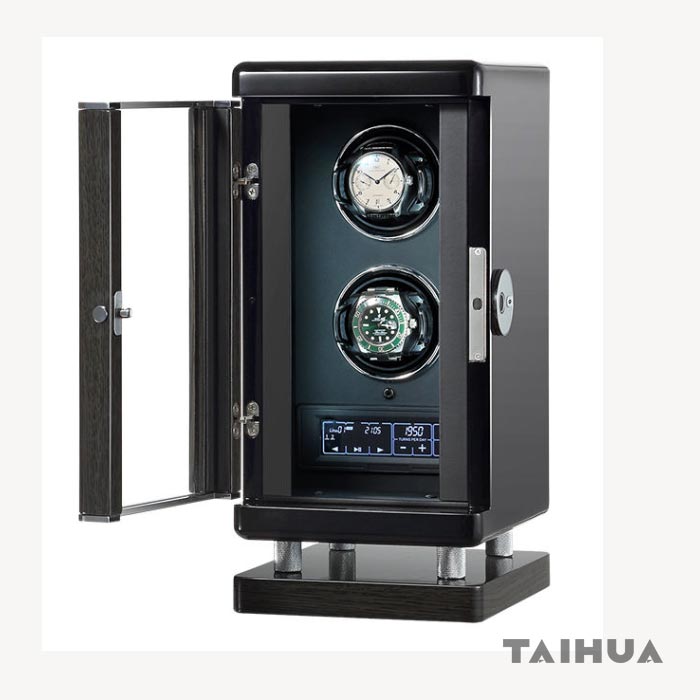
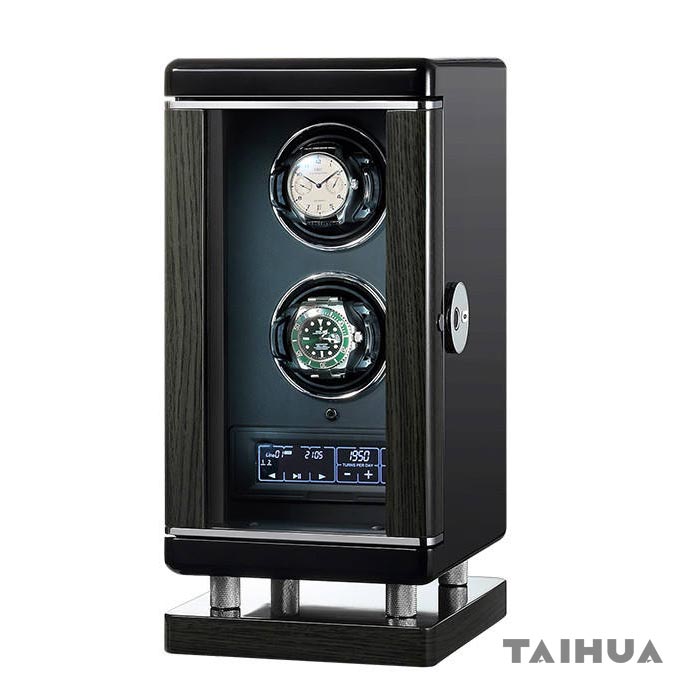
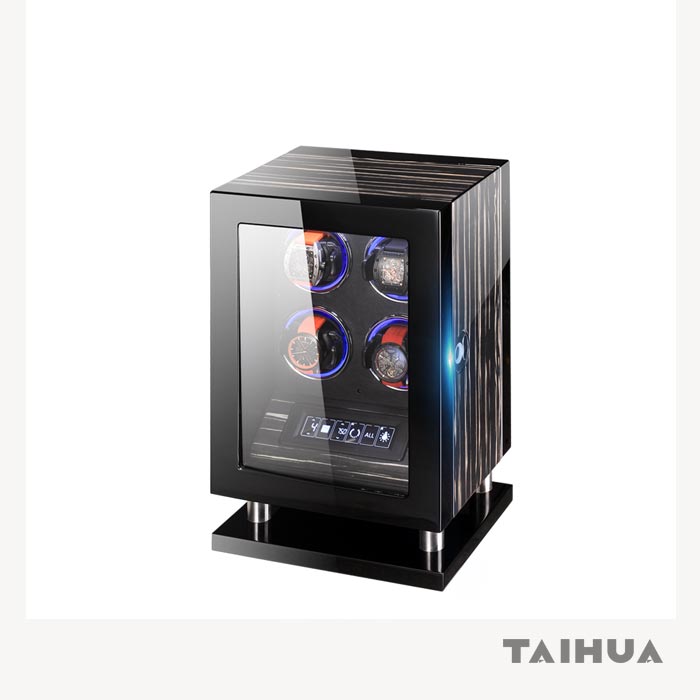
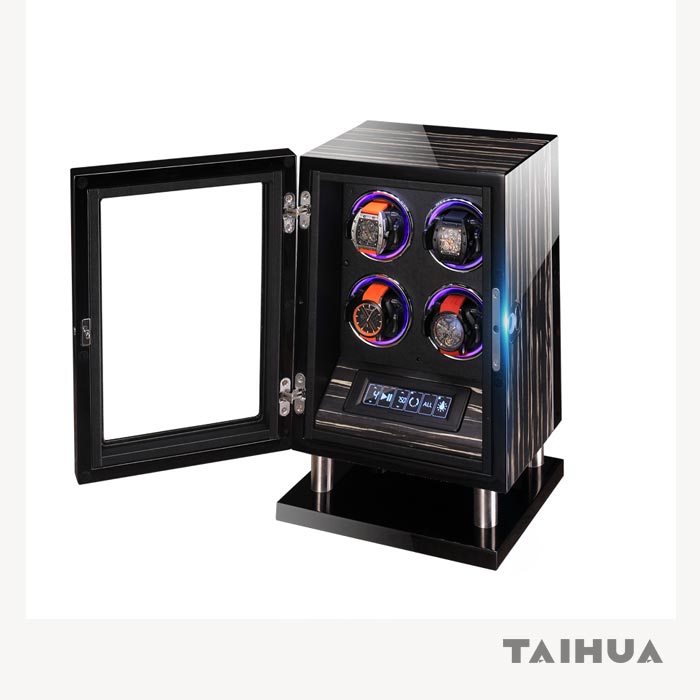
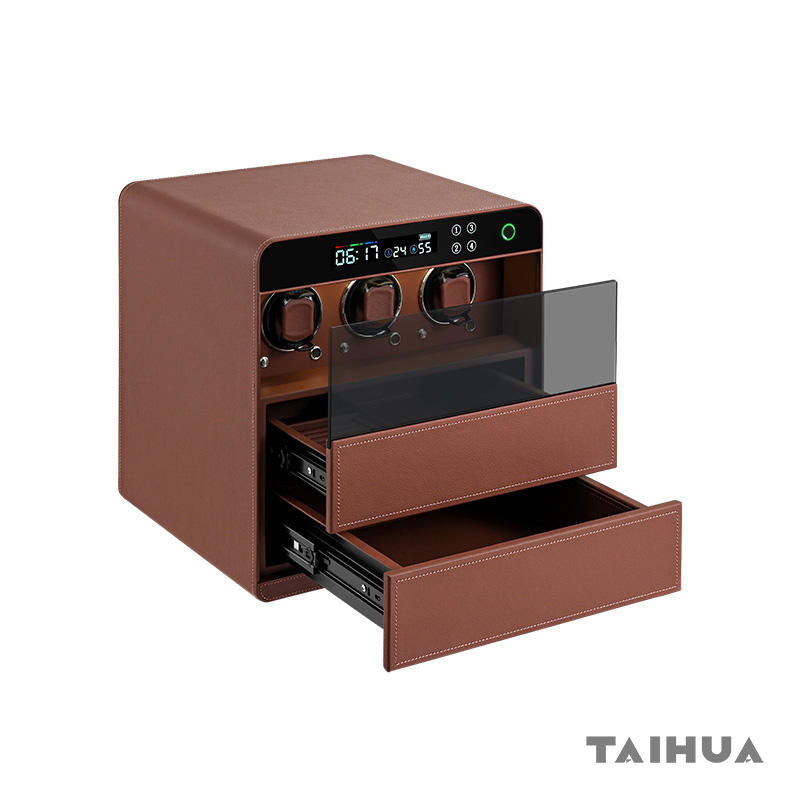
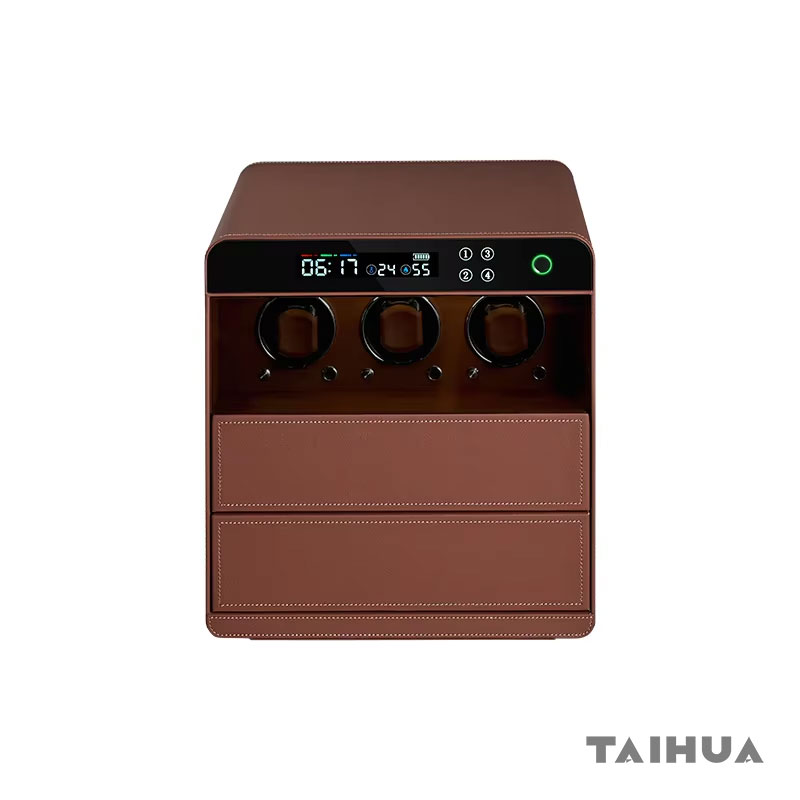
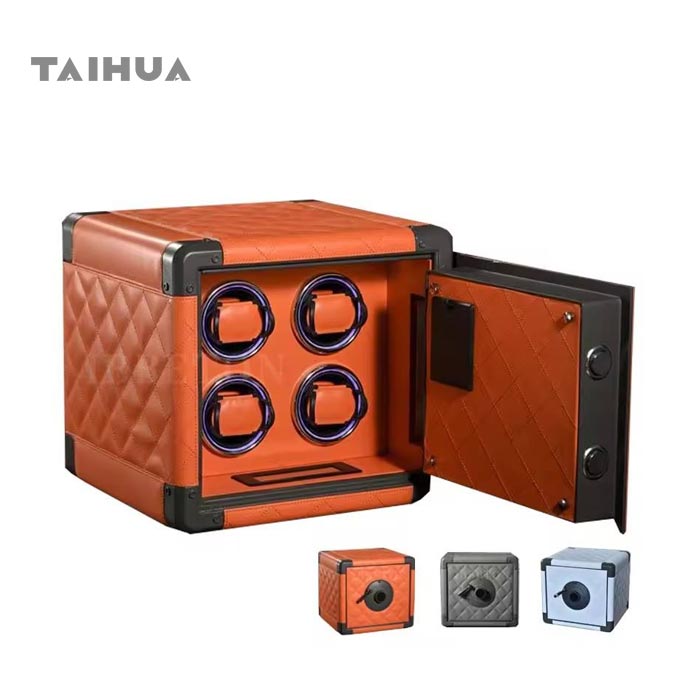
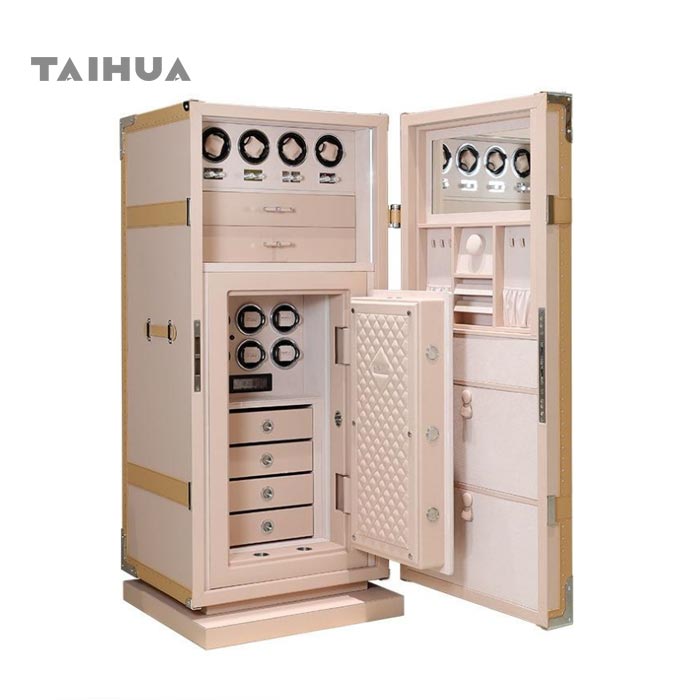
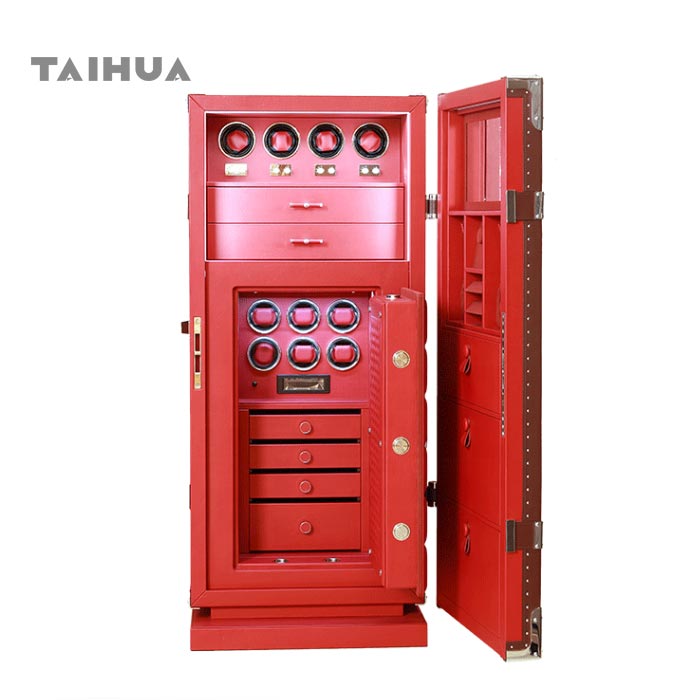
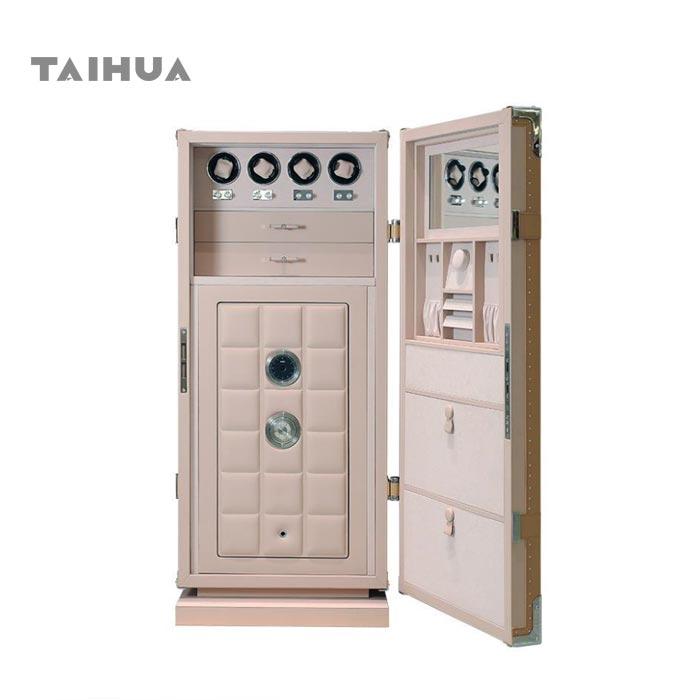
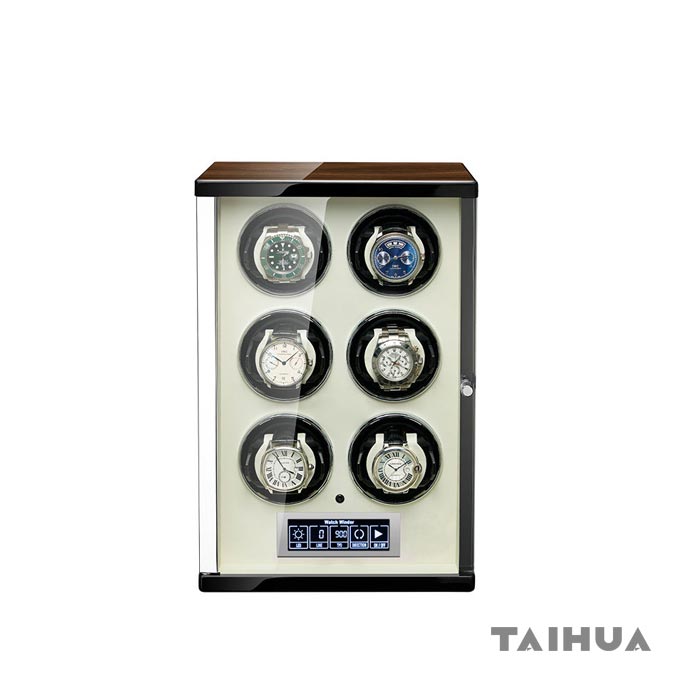
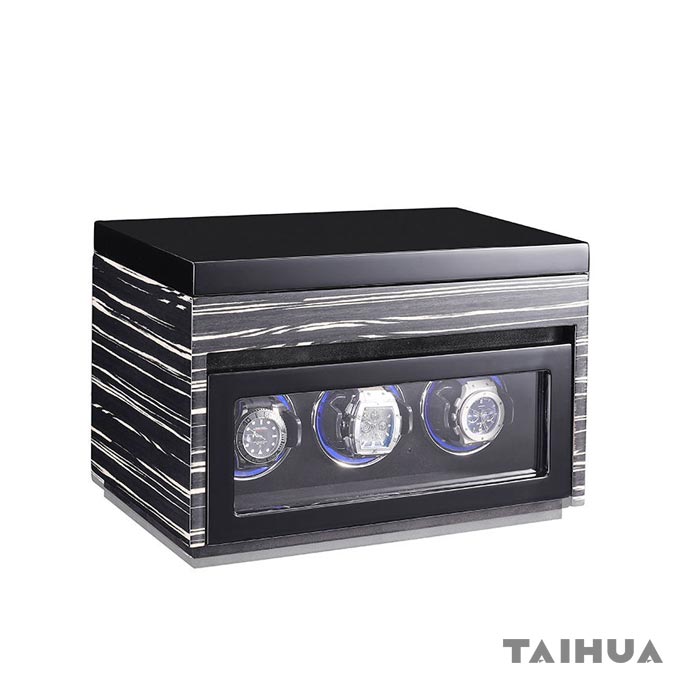
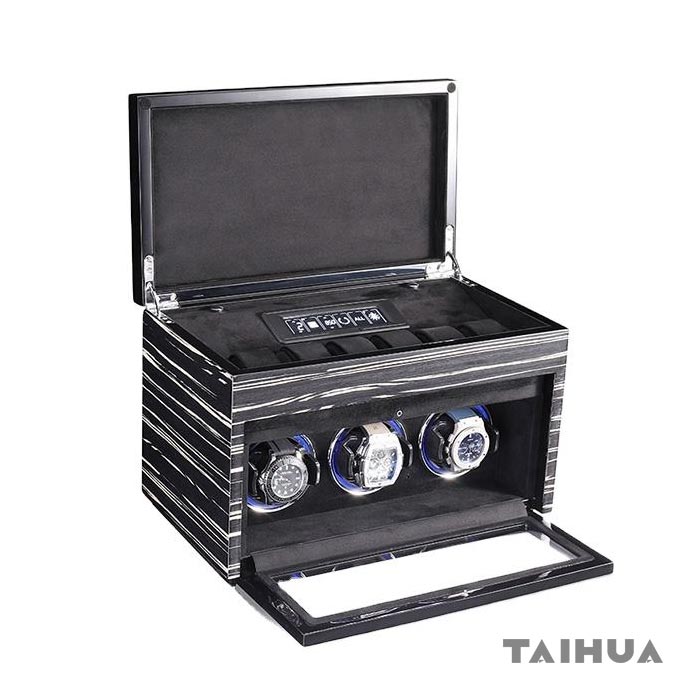
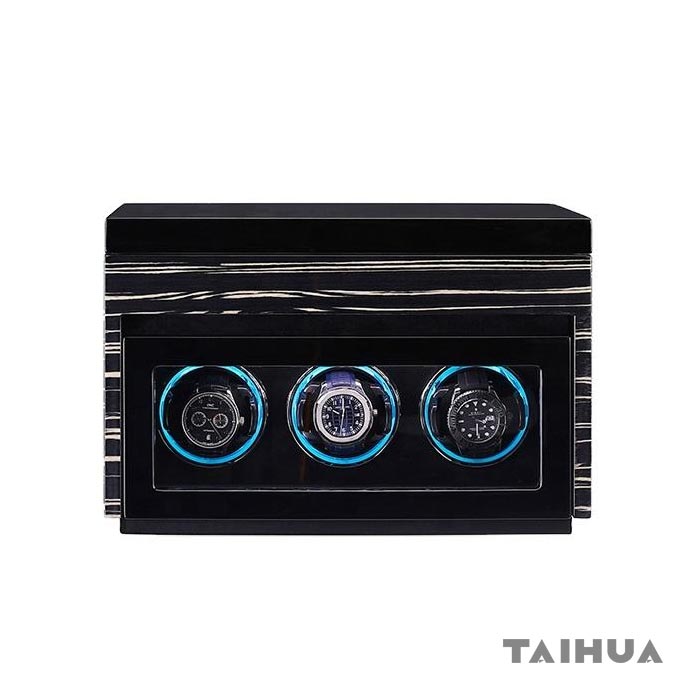
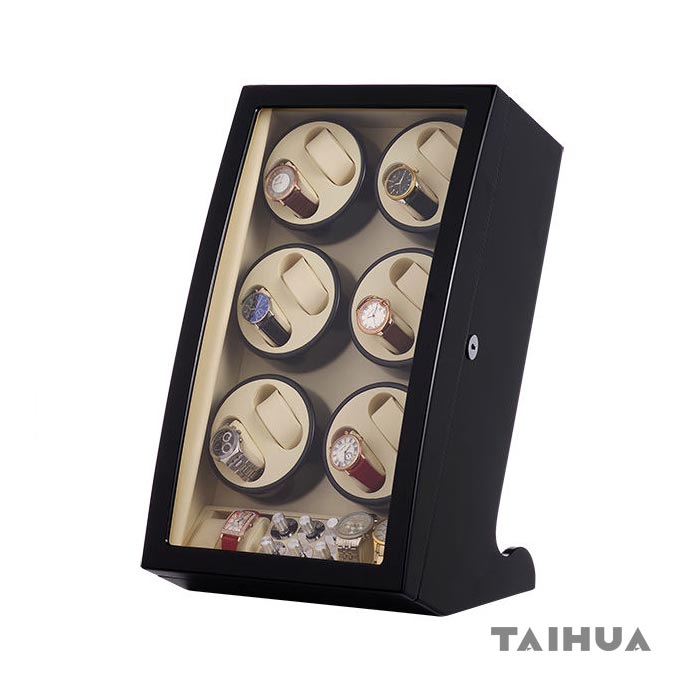
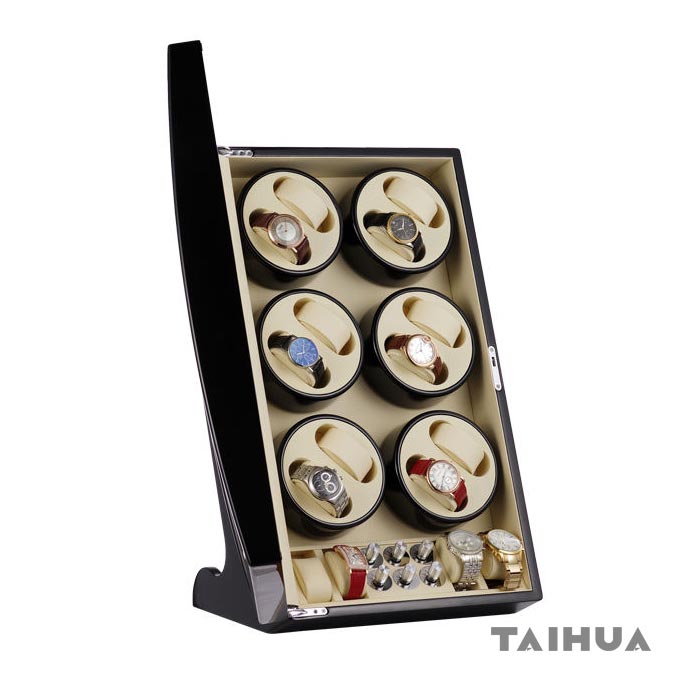
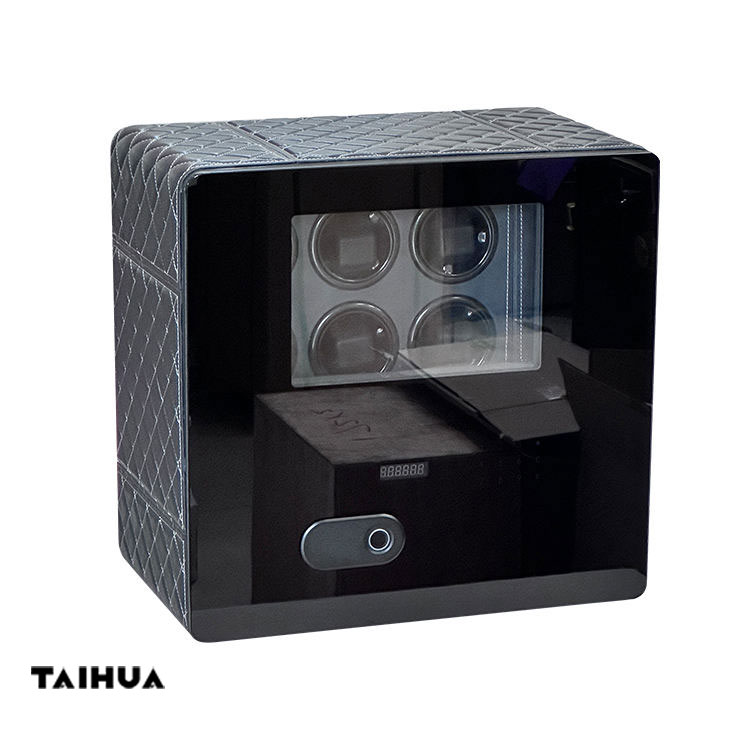
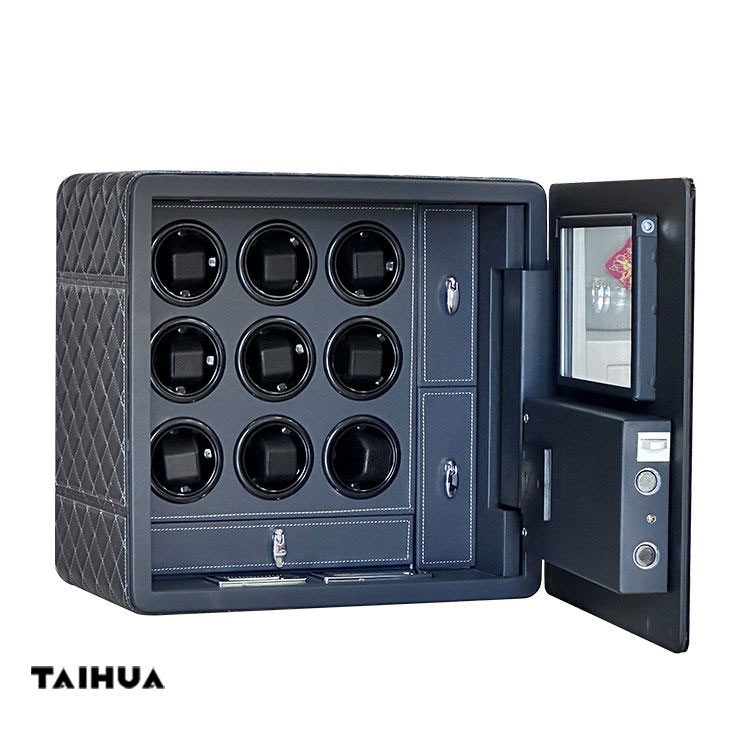
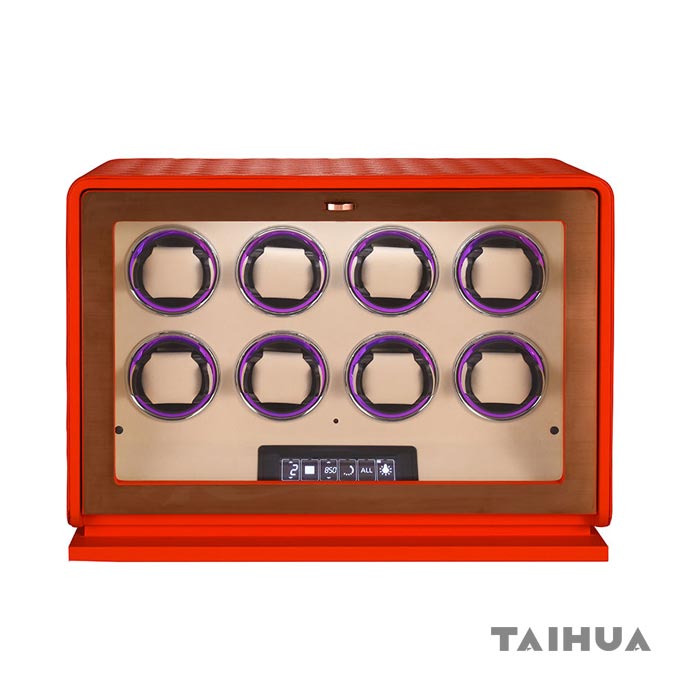
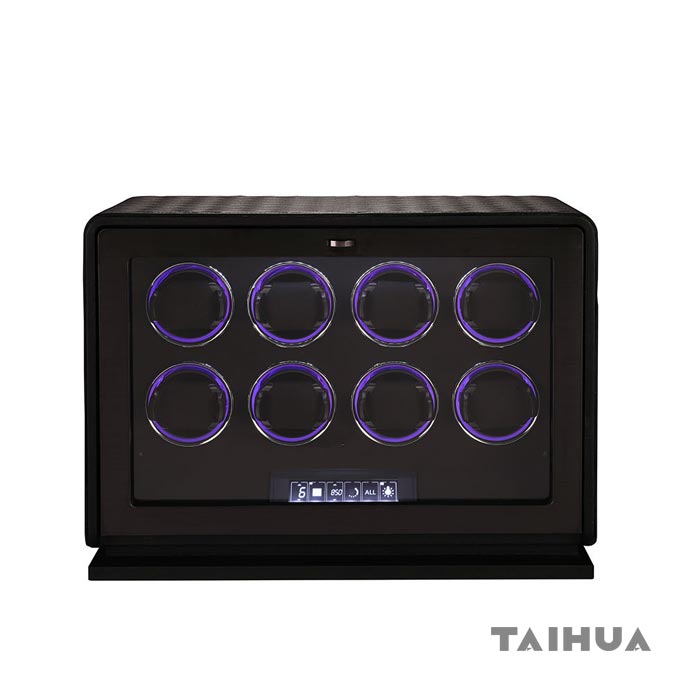
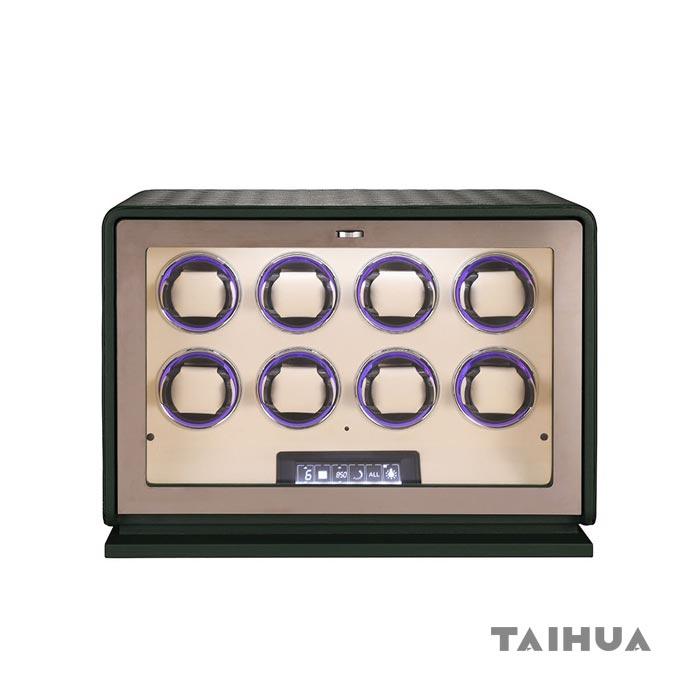
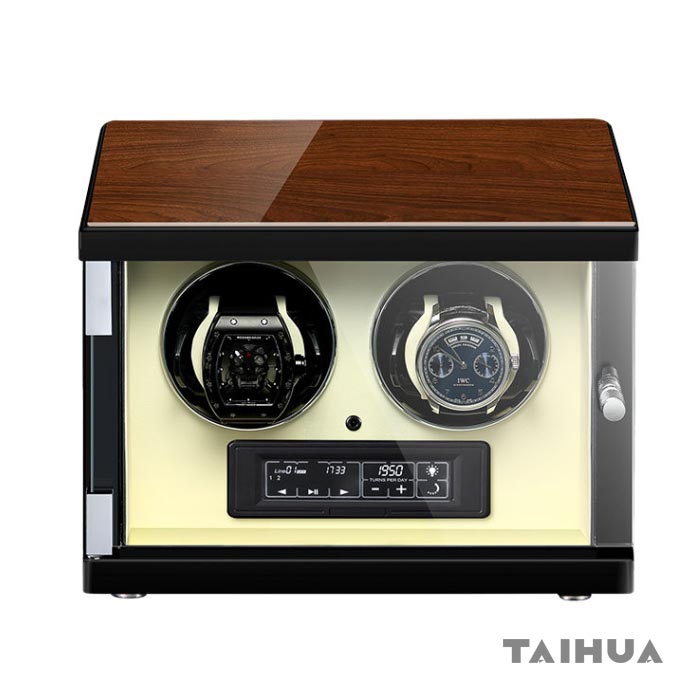
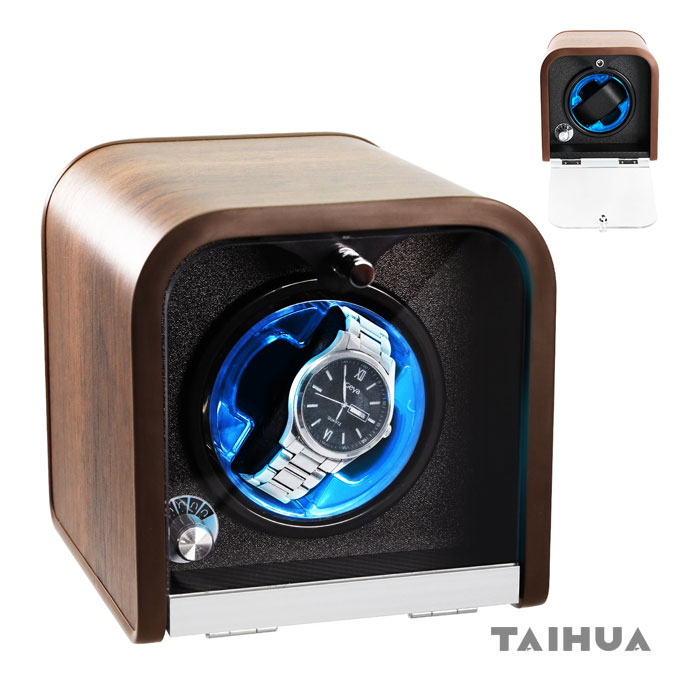
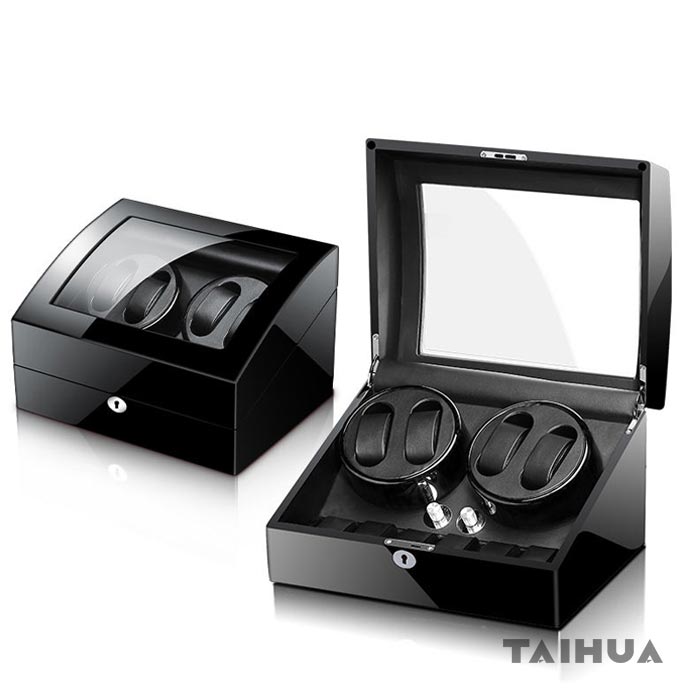
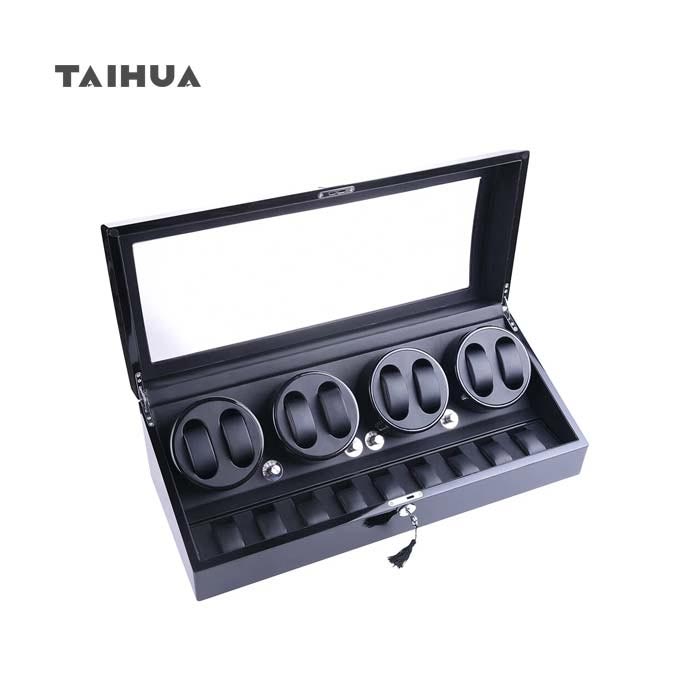
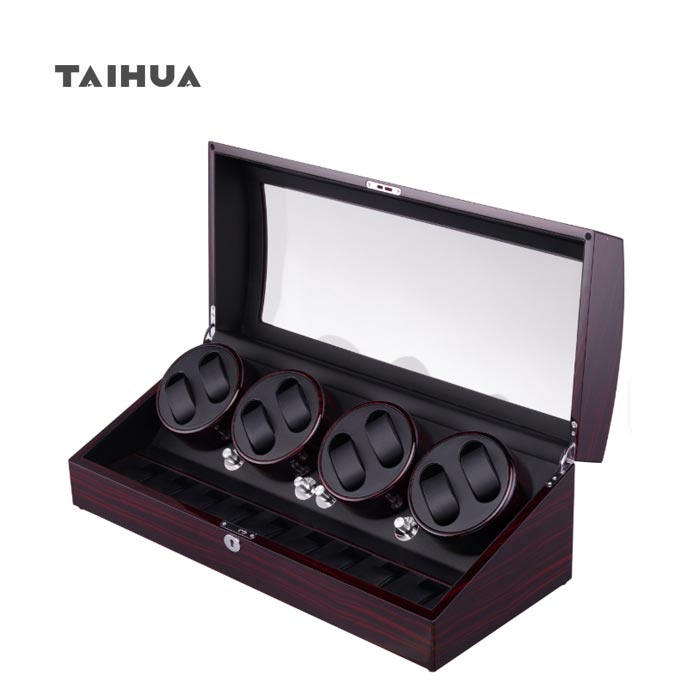
TAIHUA watch winders are engineered to match your movement's exact TPD and rotation direction — keeping every automatic watch in your collection wound, set, and ready to wear.